This article synthesizes published sources listed below. Consult those sources for their evidence and scope.
Hormuz disruption turns reserves into a regional project
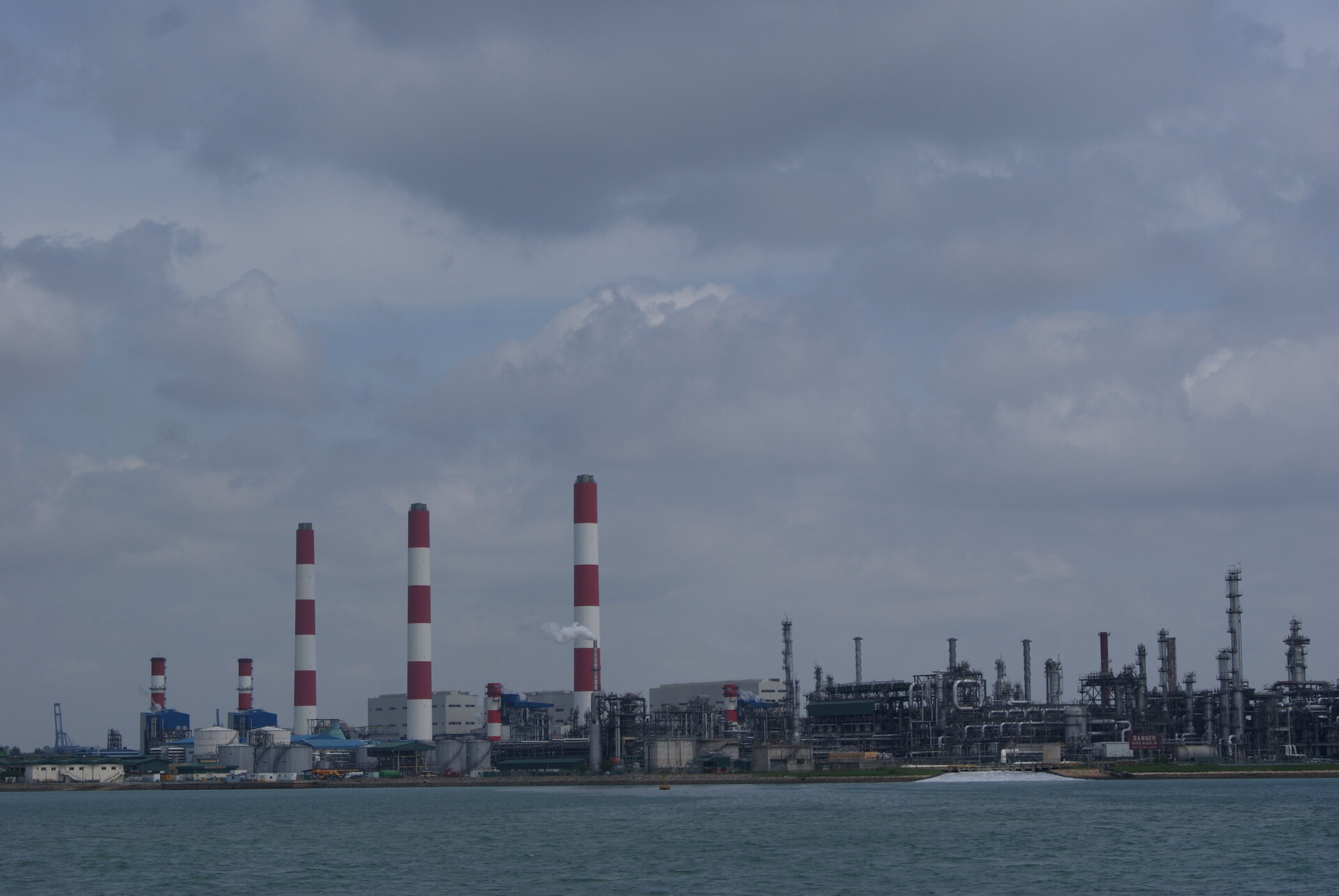
Nine Southeast Asian countries joined Japan and Australia in supporting stronger national oil reserves and voluntary regional stockpiling, according to a joint statement reported by Reuters. The move responds to the vulnerability exposed by the Iran war: before fighting began, about 80% of the Gulf oil moving through the Strait of Hormuz was headed to Southeast Asia.
Japan also agreed action plans with regional partners to expand crude reserves. After separate talks, Japanese officials said Saudi Arabia and the United Arab Emirates expressed willingness to cooperate on strengthening Asia's stockpiling capacity.
The Philippines plans a national reserve by 2027
The Philippines, which imports nearly all of its crude oil and fuel, plans to create a national petroleum reserve by the end of 2027. Energy Secretary Sharon Garin said the system could later host stocks for other countries and become part of a wider regional network.
The host country's emergency access and the commercial terms for stored fuel have not yet been standardized. Garin said Manila wants priority access during a crisis when another country stores crude or petroleum products in the Philippines.
A long-delayed power grid gains new urgency
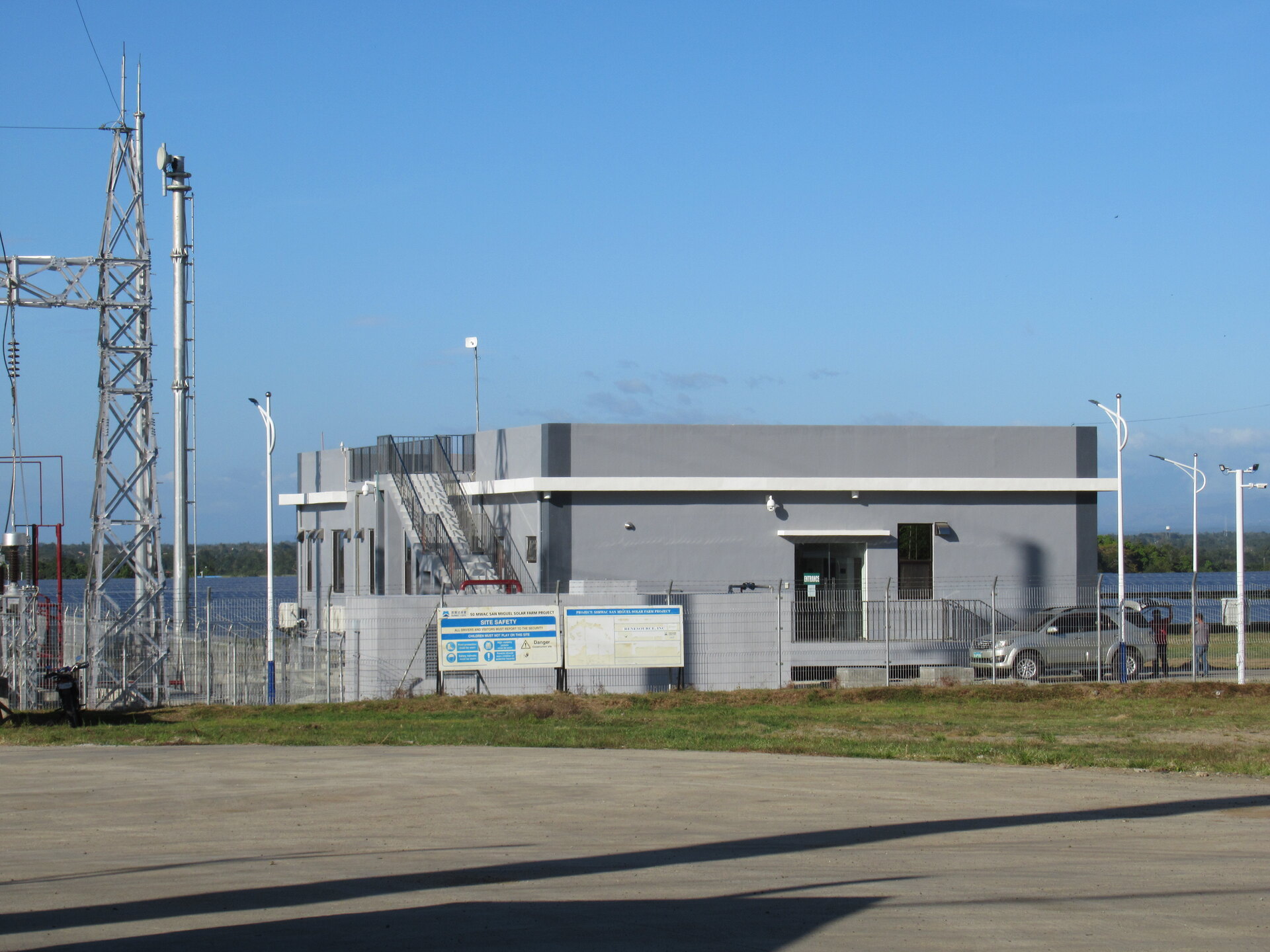
ASEAN governments also reached an enhanced preliminary agreement to advance the regional power grid first proposed in 1997. Officials are reviewing a timeline that previously stretched to 2045, arguing that today's energy-security pressure requires faster cross-border connections.
A more connected grid could move renewable electricity between countries with different demand patterns and resources. It would also reduce the region's exposure to imported fossil fuels, but large financing, regulatory and transmission challenges remain before the network can operate at scale.
Clean-energy targets expose the size of the gap
ASEAN members pledged to raise renewables to 30% of total primary energy supply and 45% of installed power capacity. The latest regional outlook put the current shares at 14.1% and 33.7%, respectively, leaving a substantial implementation gap.
The package therefore links immediate fuel security with a structural transition. Strategic reserves can cushion short interruptions, while grids and renewable generation address the deeper concentration risk. Neither measure can quickly replace the volumes that normally pass through Hormuz, making execution speed and cooperation with Gulf suppliers central to the plan.
Sources
3 references
- ReutersAsia races to stockpile oil, speed up renewables in response to Iran warIndependent reporting and attributed ministerial statements · 2026-10-08
- ASEANJoint Media Statement of the Forty-Fourth ASEAN Ministers on Energy MeetingOfficial regional statement · 2026-10-08
- Japan Ministry of Economy, Trade and IndustryJoint Statement on Stockpiling Cooperation with the PhilippinesPrimary background on the stockpiling framework · 2026-05-28


