A closer look at economy, with context across borders.
The minimum collateral ratio for margin purchases will fall to 80% from 100% on November 30, allowing investors to borrow more against the same collateral while exchanges retain tighter controls for abnormal trading.
The agreements promise broad duty reductions and a new investment framework after a decade of talks, yet businesses will not receive the benefits until parliamentary and domestic procedures are complete.
The European Council president cut the Commission’s ambitions while seeking more money for defence and competitiveness, but France, Germany and Parliament remain divided ahead of a special summit.
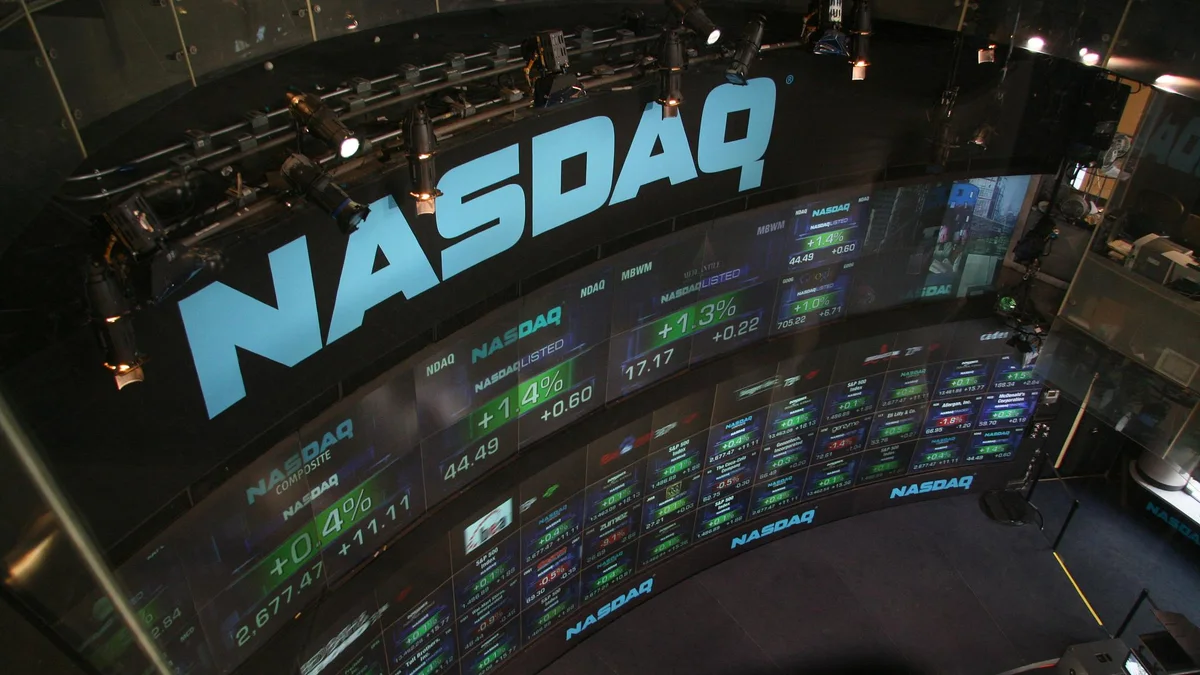
The Nasdaq fell 5.3% in one session and Asian technology markets suffered their sharpest weekly losses in years, while demand shifted toward government bonds.
The five-year initiative puts defence, advanced manufacturing and technology at the centre of a deeper partnership, but individual investments still require separate decisions.
The package removes costly food checks, opens three-year routes for 100,000 young people on each side and targets a linked carbon market from 2028, while leaving tuition fees and implementation work unresolved.
The currency index reached about 103.9 after eight rising sessions, while hotter US inflation and a sharp reversal in technology shares pushed investors toward dollars and government bonds.
October’s import bill rose faster than a record month for goods exports as pre-Diwali gold buying and elevated energy costs widened the merchandise gap to $39.88 billion.
The New York Fed president said persistent inflation means policy still has work to do, but he gave no timetable and argued that forcing the overall price level back down would damage the economy.
Record selling in Taiwan and heavy outflows from South Korea drove the seven-market total as investors reassessed crowded AI trades and high US bond yields.
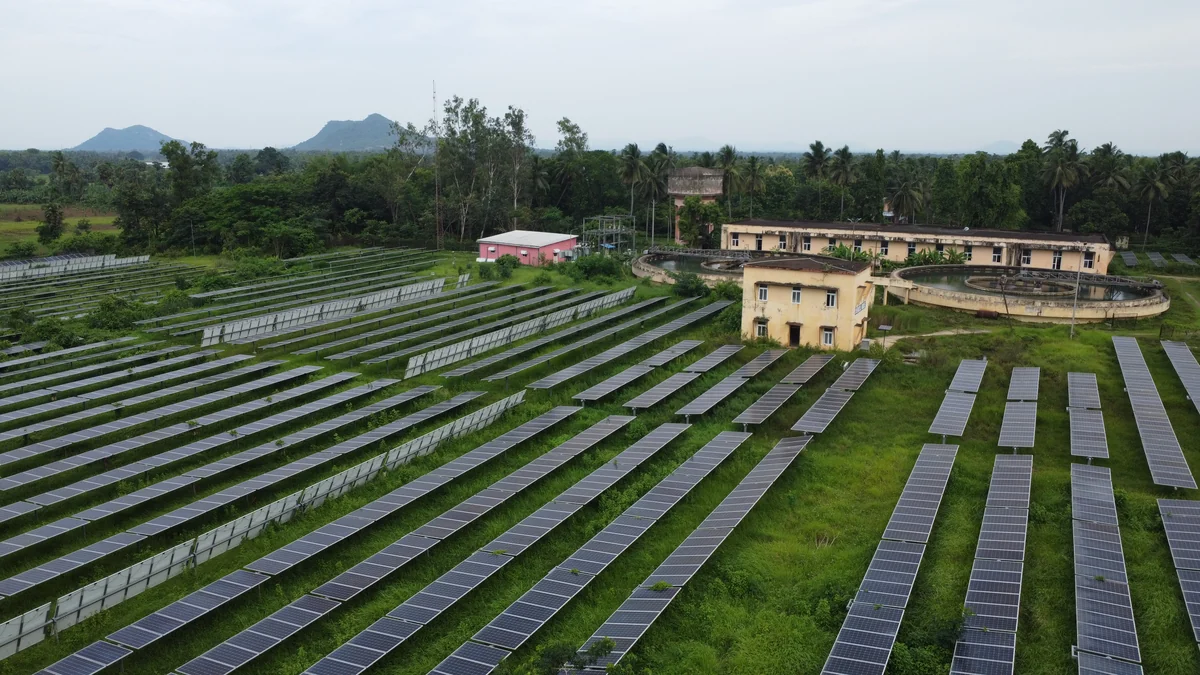
The non-binding state agreement links 3 GW of wind and solar capacity, 1 GW of pumped storage and a private distribution network to a proposed 2-GW computing campus in Kurnool district.
The unanimous quarter-point increase puts inflation control ahead of near-term borrowing costs after the central bank projected its preferred measure would breach the target ceiling in 2027.
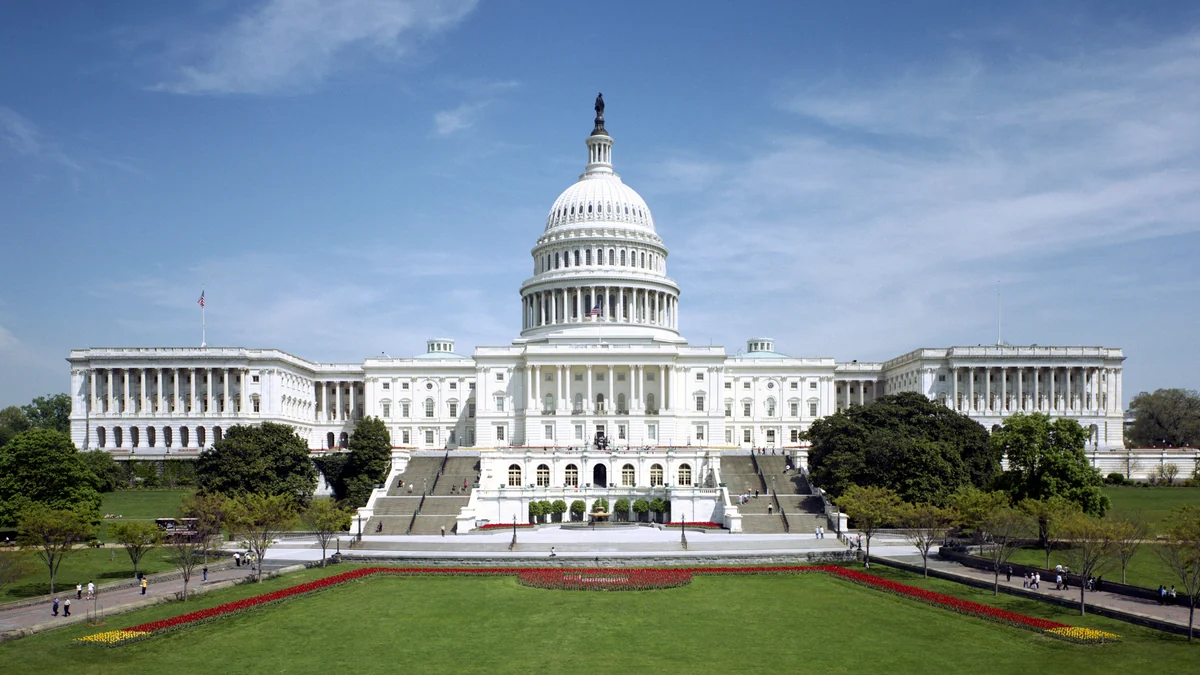
A 62-21 vote put a bipartisan package onto the floor, but final passage slipped to next week as senators contest tribal protections, eminent domain and who pays for data-center grid upgrades.
Policymakers weighed holding at 2.25% against the first increase since July 2023, deciding that resilient growth and the risk of fuel costs spreading across prices justified a cautious move to 2.5%.
A new pay scale is due in December after factory shutdowns and clashes, but the increase is still undecided as workers demand more than double the current minimum and manufacturers warn of lost competitiveness.
The 24-hour walkout is disrupting transport and industry as unions demand higher wages and cheaper housing, turning a cost-of-living dispute into a test for Spain's government weeks before an election.
DFC says a non-binding proposal never passed its first review stage, while Reuters reports that EXIM also does not plan to fund the project. The developer says it has not yet sought final loans and continues to hear US support.
Reuters reports that offers at several lenders have risen to three-year highs, with one state bank quoting 4.5% in late October. Bankers said they were not told why the rates changed, and no central-bank directive has been confirmed.
The Nov. 6 report beat forecasts, but a rise in involuntary part-time work shows why one strong payroll number does not settle the outlook for workers or interest rates.
Beijing says the pause begins Nov. 10 while an additional 10% tariff remains in place, leaving major parts of the trade relationship unsettled.