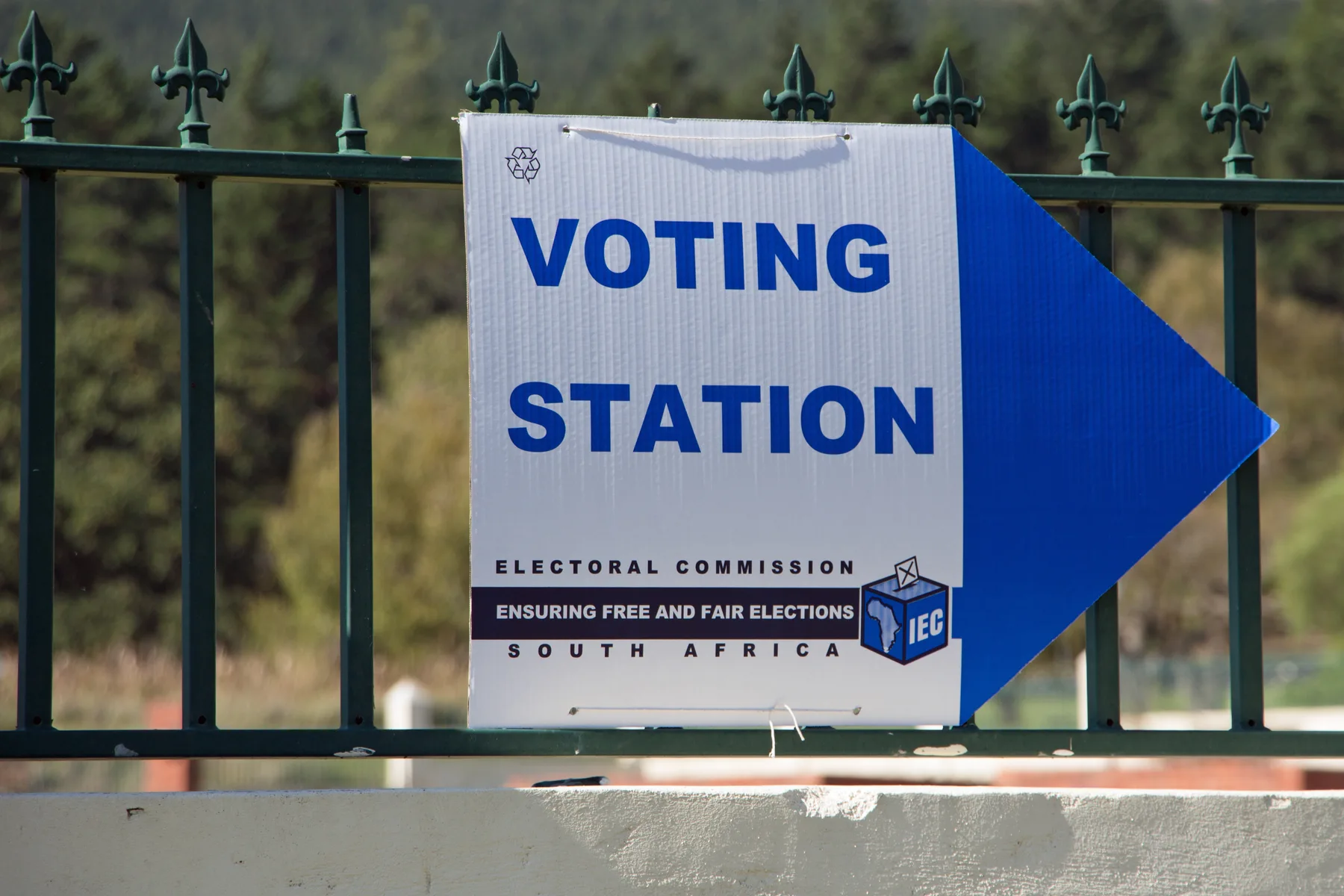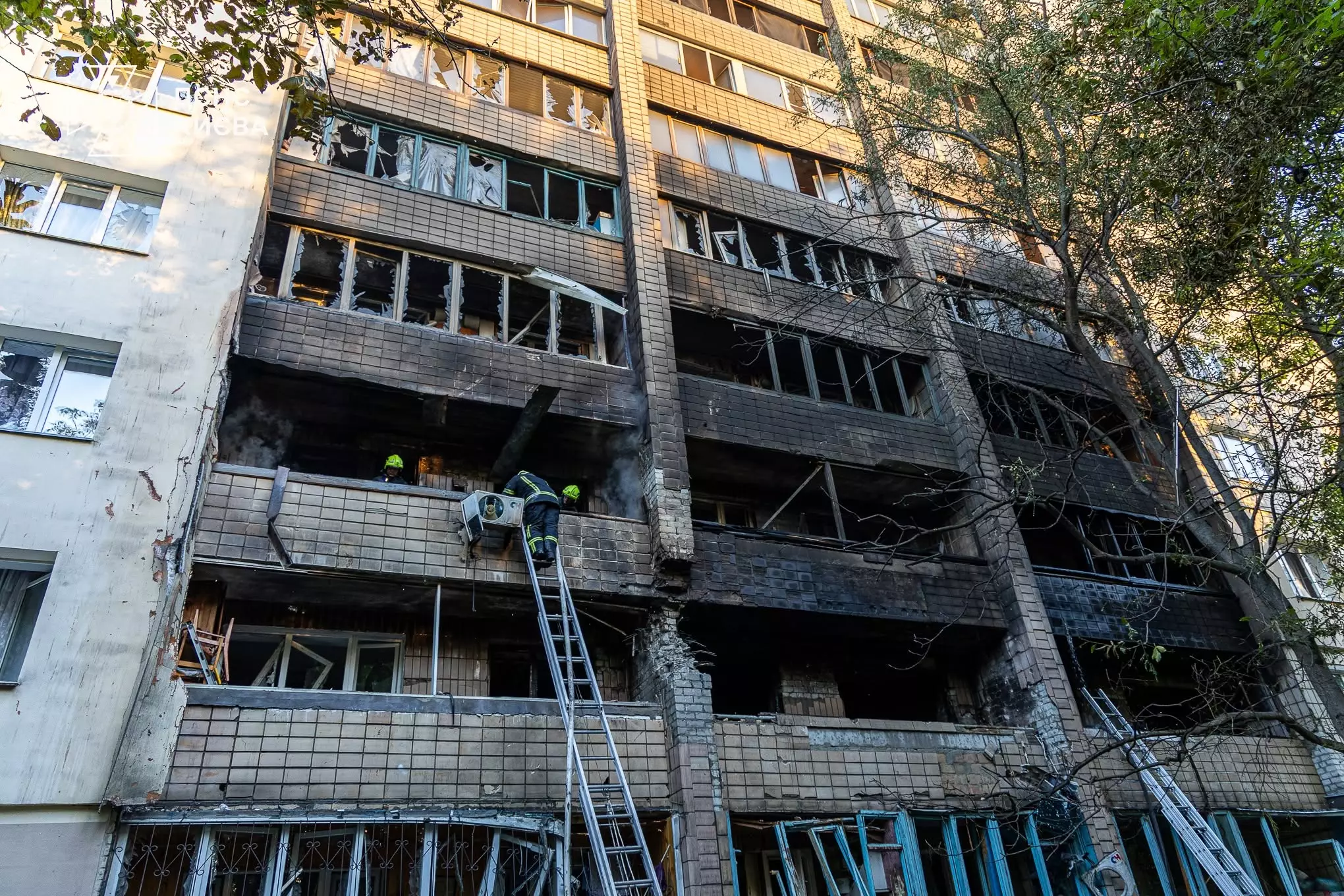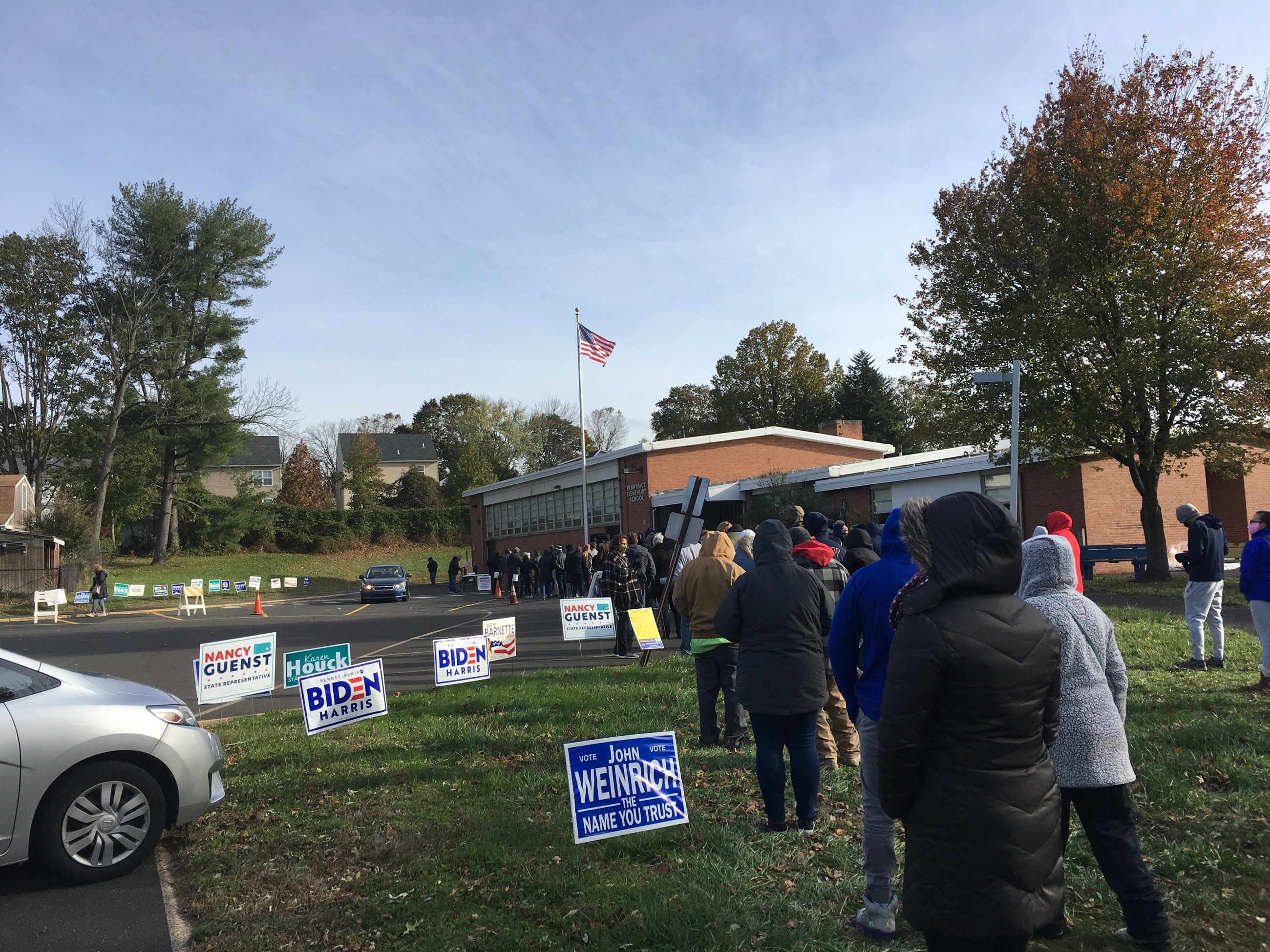
Compared Associated Press and Roll Call accounts of the Oct. 29 hearing and read the plaintiffs’ filed motion for context; its claims are allegations, not court findings. The two photographs show separate 2020 polling scenes and are archive context, not images of the current election or lawsuit.
The court ordered disclosure, not a final ruling
Chief U.S. District Judge James Boasberg on Thursday, Oct. 29, ordered the Justice Department to identify by Friday the states it had contacted since July over voters federal officials suspect may not be U.S. citizens. The letters at issue asked election officials to take action involving ballots or voter records, according to separate reports by The Associated Press and Roll Call.
California and Washington had publicly disclosed federal requests. The new order seeks to establish whether other states received similar letters. Boasberg said he expected to rule by Monday, Nov. 2, on the plaintiffs’ broader request for emergency limits before Election Day.
States and federal officials dispute the letters’ effect
Democratic Party leaders and organizations sued on Oct. 20, arguing that the administration was pressuring states to change how they manage voter rolls and ballots. Their court filing asks the judge to prevent the government from removing registered voters or interfering with the issuing and counting of ballots. Those are the plaintiffs’ claims and requested remedies, not findings by the court.
The Justice Department’s lawyer argued at the hearing that the letters do not compel states to act on their own; enforcement would require a court order. A separate California case illustrates the dispute: federal officials sought to hold ballots cast by roughly 20,000 people they described as “likely” noncitizens, but a judge rejected that request on Wednesday and the department appealed, AP reported.
The dispute remains unresolved before Nov. 3
Boasberg’s Thursday order required information from the government; it did not decide whether the letters were lawful or impose a nationwide ban on them. The administration can also tell the court it will not send further letters before the election, AP reported.
The immediate question is whether the Justice Department will identify additional states before Friday’s deadline. Any decision on the Democrats’ request is expected the day before voters choose members of Congress and state officials in the Nov. 3 midterms.
Sources
3 references
- Associated PressJudge presses the Trump administration for details on its campaign to stop noncitizens from votingIndependent reporting on the Oct. 29 court hearing, disclosure order and pending request for relief · 2026-10-29
- Roll CallJudge orders Justice Department to disclose noncitizen voter lettersSeparate reporting on the hearing, deadline and positions of the parties · 2026-10-29
- Plaintiffs’ filing, U.S. District Court for D.C.Memorandum supporting motion for temporary restraining order and preliminary injunctionPrimary case filing for the plaintiffs’ requested remedies and allegations; not a court finding · 2026-10-26