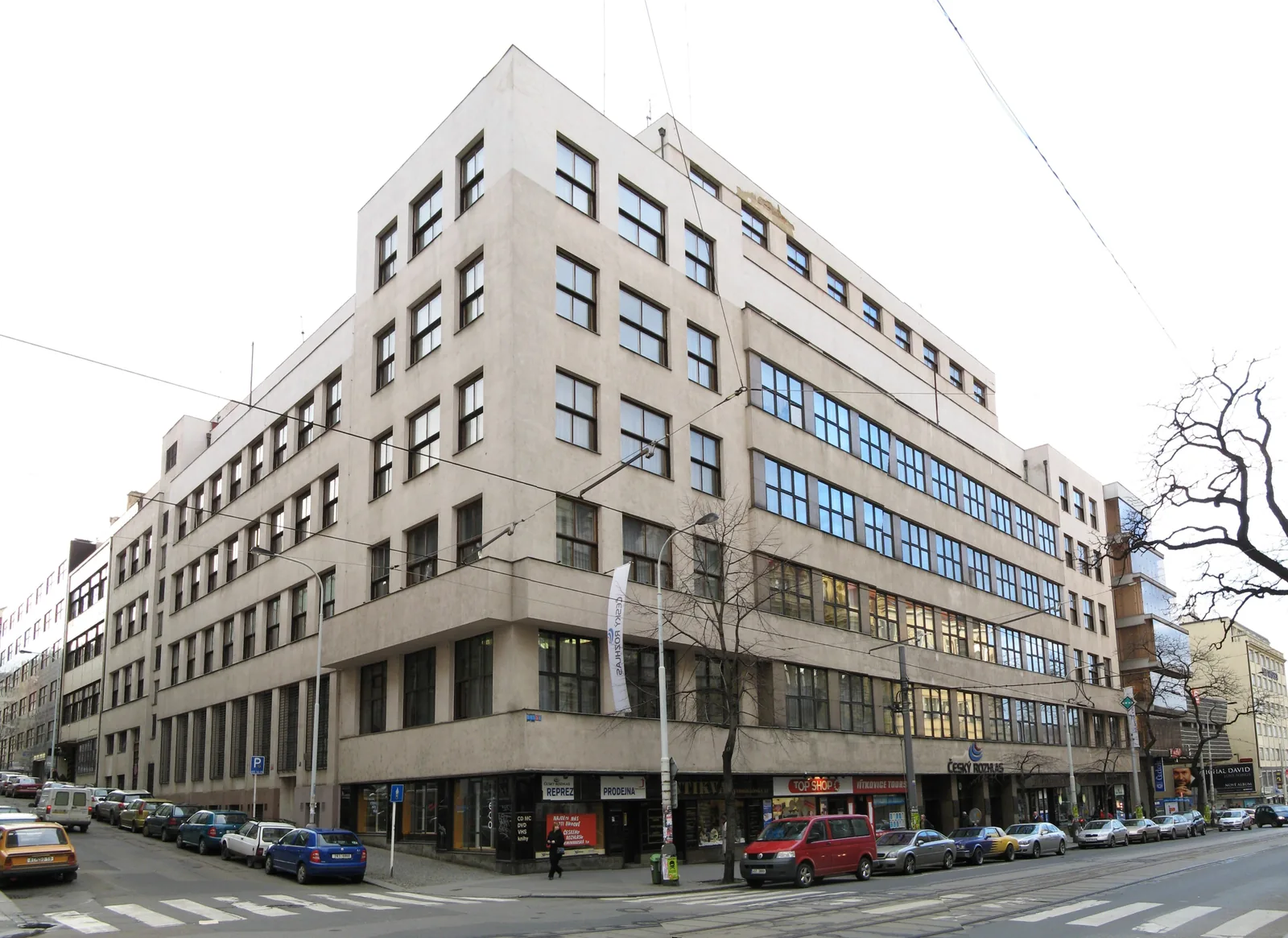
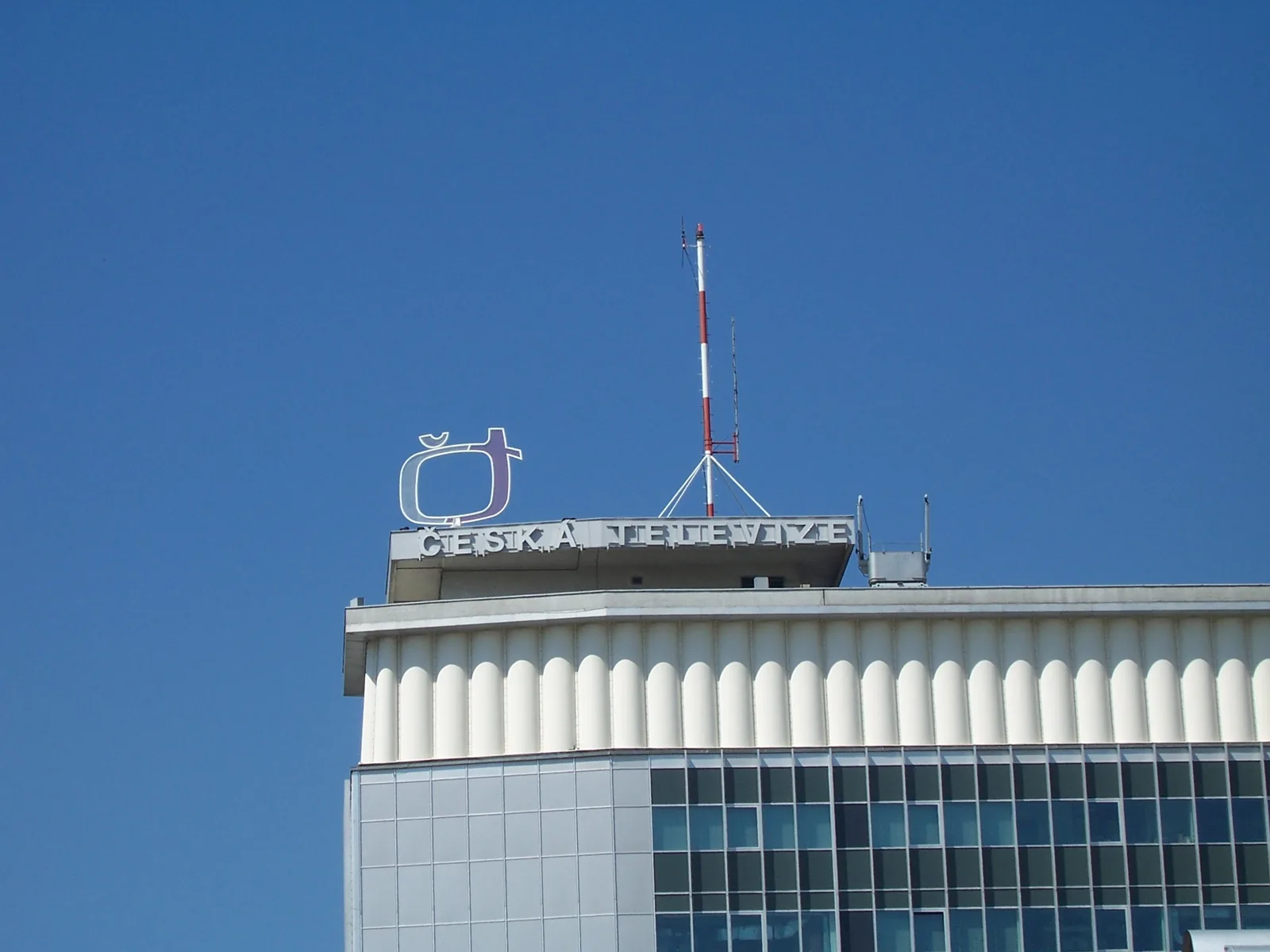
The strike and the proposed funding model were confirmed independently by AP and Reuters. Czech Television and Czech Radio described their own reduced schedules and emergency-information arrangements. The financing change remains a proposal awaiting further parliamentary debate; claims that it would threaten independence are attributed to critics, while the government says it aims to reduce the household burden. Agency photographs of the current protest required licensing, so both images here are clearly dated archive context: the Czech Television building (2007) and Czech Radio building (2007).
A day of curtailed live news
Employees of Czech Television and Czech Radio began a 24-hour strike on Tuesday, Nov. 3, reducing live programming and news output while the government pursues a change to how the public broadcasters are funded. The walkout was called by the Veřejnoprávně initiative, which brings together public-media staff, with union support.
Czech Television replaced several regular programmes with shorter bulletins and archive material; its evening flagship news programme was among those affected. Czech Radio said many stations shifted to music, repeats and brief news segments, while regional services used shared programming from Prague. The broadcasters said they would retain essential news and emergency information.
From household fees to annual budget decisions
The coalition plan would abolish recurring radio and television fees and fund both institutions from the state budget. The bill passed an initial parliamentary vote last month but still awaits further debate; the financing change has not taken effect. AP and Reuters reported that the proposed model would mean roughly 15% less funding than the broadcasters receive now.
Prime Minister Andrej Babiš has said the government wants to reduce costs for households, not put the broadcasters under state control, Reuters reported. The walkout reflects staff concerns that annual decisions over budget allocations could make funding more vulnerable to political pressure. That is a warning about the proposal’s possible effect, not a change already enacted.
What the dispute puts at stake
The existing fee system gives the broadcasters a revenue stream outside the state budget. A shift would put their funding directly into a process negotiated by the government and parliament. Critics say the proposed reduction could also force cuts to staffing and programming; the government’s stated case is that ending the fees would ease household costs.
The strike’s immediate effect was visible to listeners and viewers in the day’s schedules. Its broader outcome depends on the bill’s final text, the amount of funding lawmakers approve and any safeguards adopted during the remaining debate.
Sources
4 references
- Associated PressCzech public media workers go on strike over a government plan to overhaul their fundingIndependent report confirming the one-day strike, its broadcast impact, and the proposal to replace regular fees with state-budget funding. · 2026-11-03
- ReutersCzech public media launch strike, accusing government of political meddlingIndependent reporting on the strike, proposed funding change, preliminary parliamentary vote, proposed 15% reduction and the government’s stated rationale. · 2026-11-03
- Czech TelevisionEmployees’ strike will limit Tuesday broadcastingBroadcaster’s primary schedule notice detailing the one-day strike, altered television and digital programming, and limited news bulletins. · 2026-11-02
- Czech RadioWorkers’ strike will limit broadcasting on nationwide and regional stationsBroadcaster’s primary schedule notice describing reduced live, regional and online services and continued emergency information. · 2026-11-02