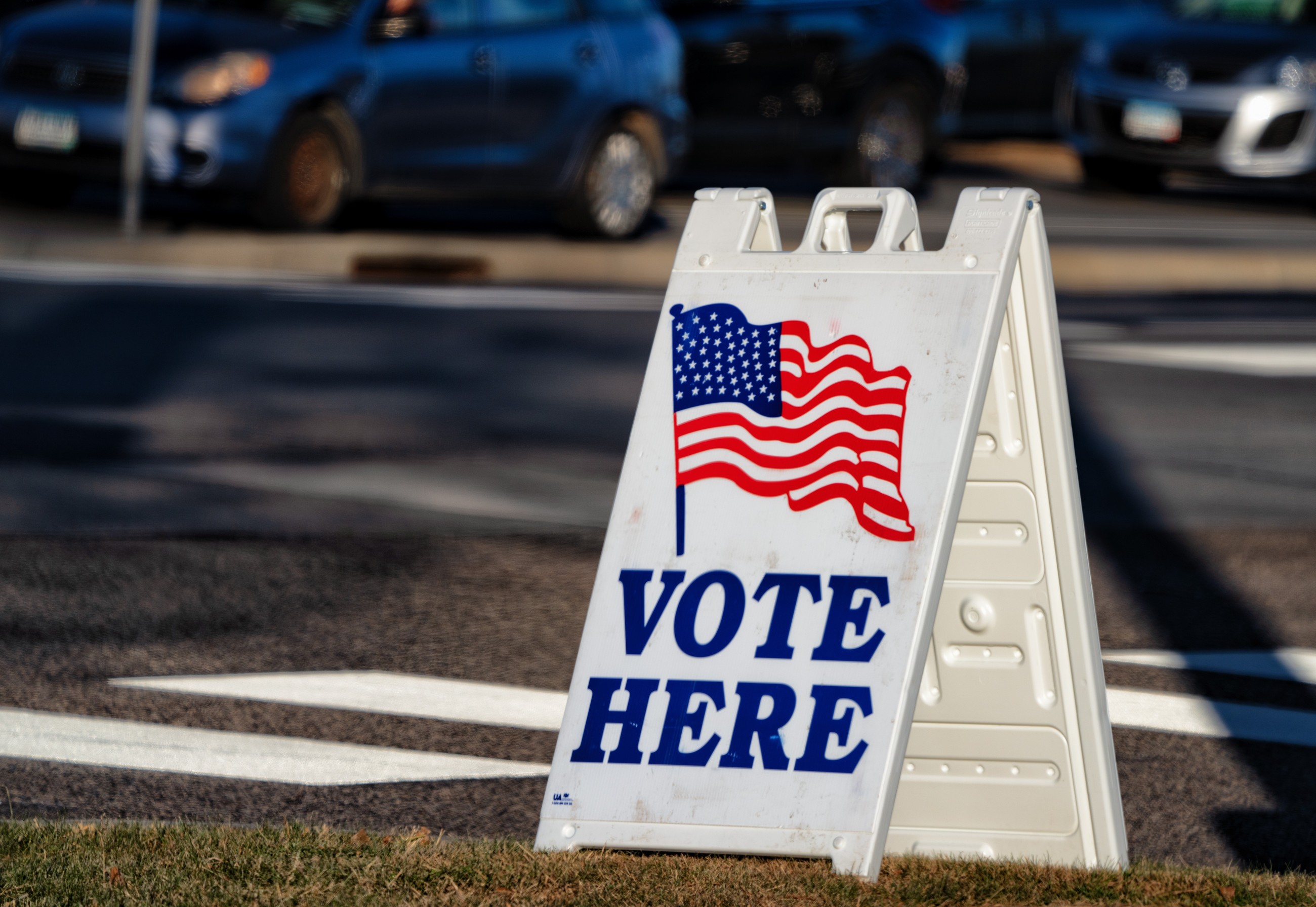
Reuters, the Associated Press and The Washington Post independently reported on the Oct. 30 temporary restraining order and its scope. The order is provisional, not a final judgment. A link to the court order hosted by DocumentCloud returned 403 during this check. Both photographs are clearly dated 2020 archive context and do not depict the current case or the 2026 midterms.
What the order prohibits
U.S. District Judge Trina Thompson on Friday, Oct. 30, temporarily barred the Justice and Homeland Security departments from threatening, intimidating or coercing state and local election officials over the handling of ballots tied to people the administration says may be ineligible to vote.
The order also prevents officials from demanding that local staff stop processing ballots, remove voters from registration lists, refuse ballots or keep particular ballots separate on that basis. The case was brought by unions representing election workers and civil-rights groups, according to Reuters, the Associated Press and The Washington Post.
A temporary ruling before Election Day
Thompson, who sits in the Northern District of California, said the plaintiffs were likely to prevail on claims that the administration’s conduct crossed legal limits. The Post reported that she found the actions likely violated the Voting Rights Act’s prohibition on intimidating voters and election workers, and exceeded federal authority over state-run election administration.
This is an emergency, temporary order, not a final ruling on the lawsuit. It is scheduled to remain in force until Nov. 16. The Justice Department told the court it intended to seek relief or appeal, the Post reported; Reuters said the department had no immediate public comment.
Why the ruling matters to election offices
The order came as election workers were already processing ballots ahead of the Nov. 3 midterm election. It bars the federal agencies from using threats or demands to make local officials change ballot procedures based solely on the government’s claims about voter eligibility.
The ruling does not decide whether any individual on a federal list was eligible to vote, nor does it resolve the broader disputes over federal requests for voter information. Its immediate effect is to set limits on what the named departments can demand of election workers while the case proceeds.
Sources
3 references
- ReutersJudge orders Trump administration to cease threats to prosecute election officialsIndependent report on the judge’s temporary order, prohibited ballot demands and case background · 2026-10-31
- Associated PressAppeals court rejects Justice Department request for California to set aside disputed ballotsSeparate reporting that also describes the later temporary order against threats to election workers · 2026-10-30
- The Washington PostCalifornia judge orders Trump officials not to threaten or intimidate election workersIndependent report on the court’s findings, order duration and government response · 2026-10-31