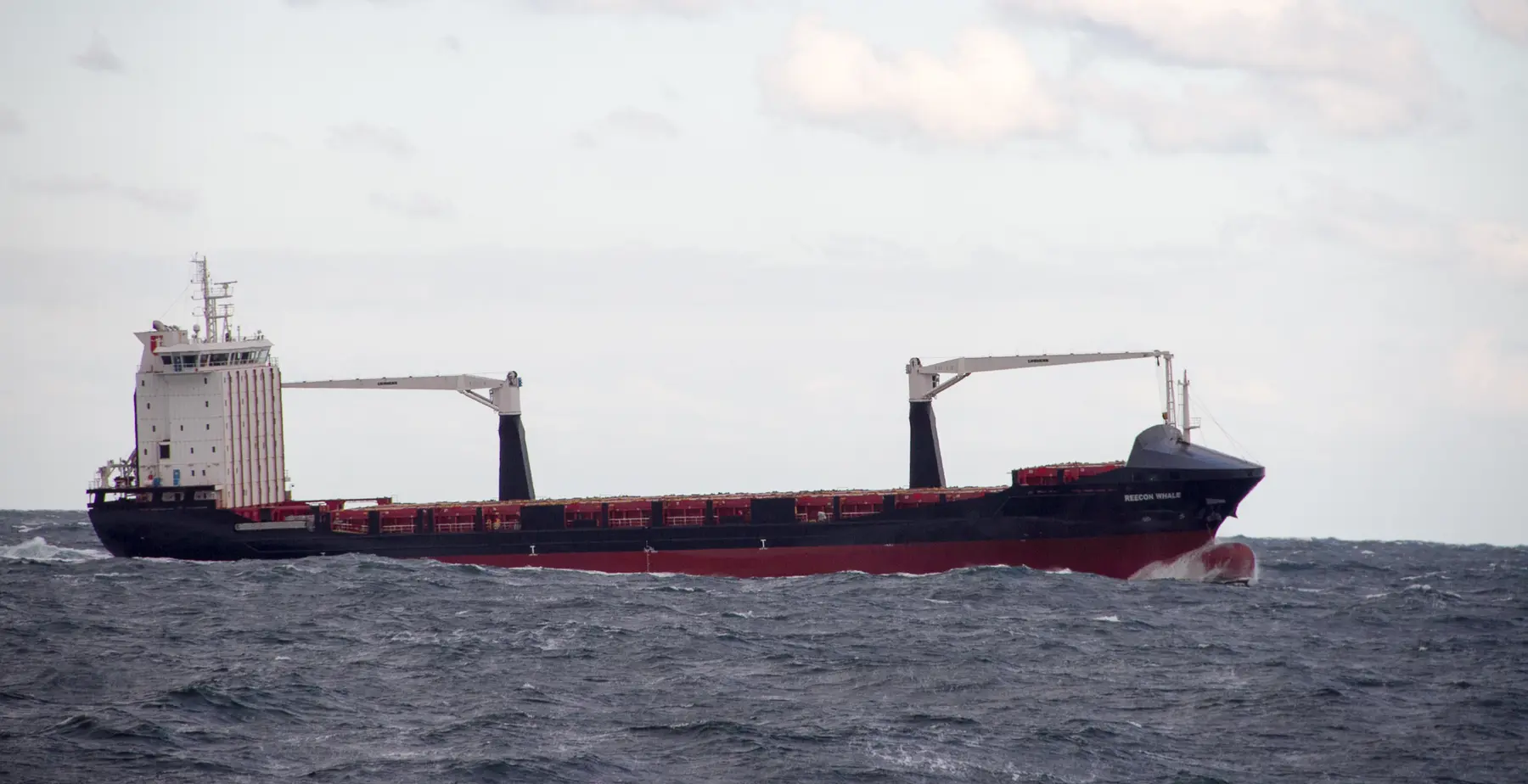
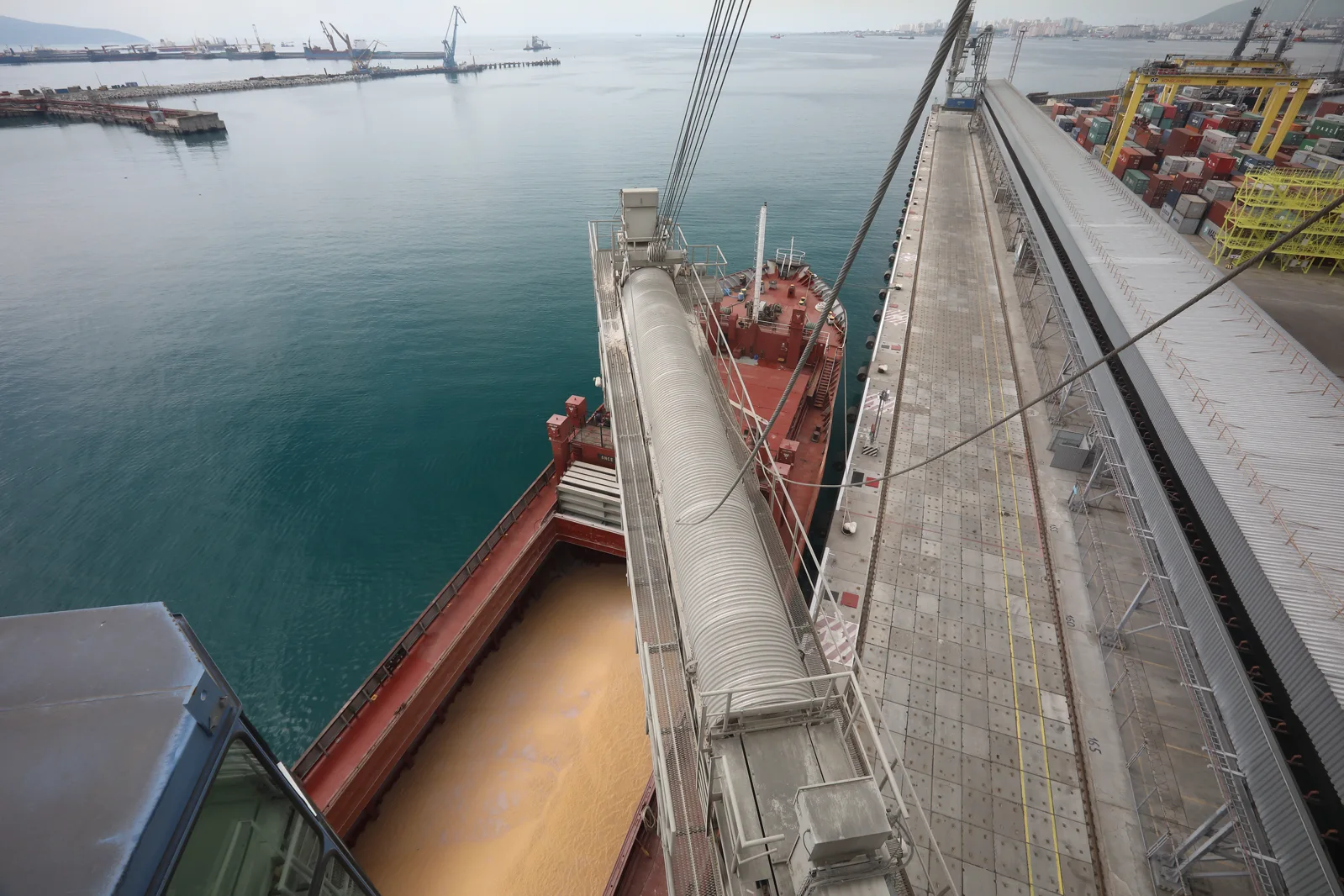
Reuters reported seven October incidents near Romania and Bulgaria and the planned NATO surveillance increase; Euronews separately reported the Oct. 28 sinking and rescue of the 18-person crew. Bulgaria’s government says a French patrol aircraft detected drones before the incident and that evidence was shared with allies while forensic checks continued. No source reviewed established who launched the drones. Reuters’ figure of 317 vessels struck from May to October is an Ambrey Analytics estimate, not an official verified count. Actual-event photographs found in Reuters and Euronews carried agency copyright or licensing restrictions. The two published images are dated context photographs from 2016 near Constanța and 2018 at Novorossiysk; neither depicts the recent attacks. Both original files are retained and licensed CC BY-SA 4.0. Derivatives were resized proportionally and converted to WebP without cropping or content retouching.
A cargo ship sinks off Bulgaria
NATO plans to increase surveillance in the western Black Sea after a series of incidents involving commercial vessels near Romania and Bulgaria, the alliance said, as the war in Ukraine exposes merchant ships to growing risk. Its announced measures include additional maritime patrol aircraft, radars and drones; it has not announced a standing escort mission for commercial traffic.
The most serious recent incident came on Oct. 28, when the Contship Jet, a Greek-managed container ship sailing under the Liberian flag, was struck by three naval drones and sank in Bulgaria’s exclusive economic zone, according to Bulgarian authorities and independent reporting. The vessel was travelling from Haifa toward Constanța. Bulgaria said a French patrol aircraft detected drones roughly half an hour beforehand and relayed a warning; all 18 crew members were rescued.
Bulgaria’s prime minister said evidence had been shared with allies and forensic checks were continuing. The sources reviewed for this report did not establish who launched the drones. The sinking occurred outside Bulgaria’s territorial waters, in its exclusive economic zone, where the ship was on a commercial route.
More monitoring, but no protection guarantee
Reuters reported seven vessel incidents near Romania and Bulgaria during October. Romania and Bulgaria are NATO members, and the alliance said its commitment to defend its members remains firm. Extra patrols and sensors can improve warning and help identify objects approaching ships or coastlines, but they do not by themselves prevent every strike or determine responsibility.
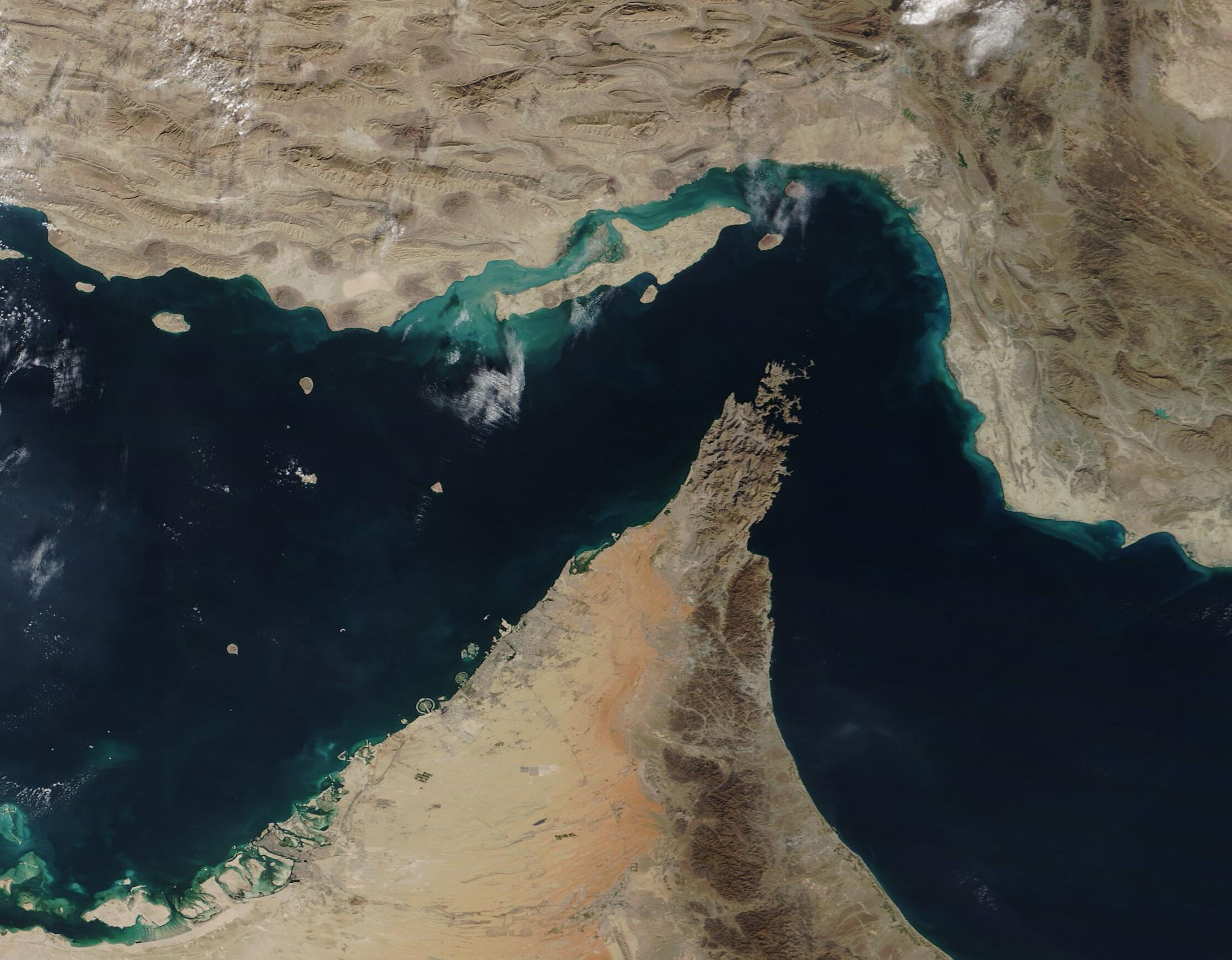
The Oct. 28 sinking coincided with a meeting in Sofia of defence leaders from Bulgaria, Romania and Türkiye, which controls access between the Black Sea and the Mediterranean under the Montreux Convention. The three countries agreed on closer intelligence-sharing and coordination. Bulgaria has said authorities outside territorial waters face legal limits on military action, underscoring that greater surveillance is not the same as an escort or a blanket security guarantee for merchant ships.
Trade figures show a strained route
The risks extend beyond the ships directly hit. Ambrey Analytics estimated that 317 vessels were struck in the Black Sea and Sea of Azov between May and October, compared with 74 in the preceding six months. That is an analyst estimate, not an official incident tally, and it includes a wider area and period than the October cases near NATO territory.
Separate figures cited by Reuters point to pressure on exports: Russian grain shipments through the Black Sea and Sea of Azov were reported at 300,000 tonnes in September, down from 4.74 million tonnes a year earlier, while Ukraine’s grain exports shipped through its ports fell to 810,000 tonnes from 2.1 million. Those figures reflect a conflict-disrupted route and other constraints; they do not isolate the effect of any single attack.
For NATO’s Black Sea members, the immediate challenge is to improve warning and coordination without turning a surveillance response into an unannounced naval escort operation. For exporters, crews and insurers, the distinction may not remove the uncertainty: a ship can be far from a member’s territorial sea and still be navigating waters where attacks now threaten commercial traffic.
Sources
4 references
- ReutersWar widens in Black Sea, testing NATO red linesReports the October vessel incidents, NATO’s planned patrol aircraft, radar and drone deployments, trade figures and Ambrey Analytics estimate. The report says analysts suspect Russian involvement, while attribution has not been established by the sources reviewed here. · 2026-11-03
- Council of Ministers of the Republic of BulgariaRumen Radev: A ceasefire in Ukraine and peace negotiations are the only sure way to stop attacks on commercial vessels in the Black SeaPrimary statement from Bulgaria’s prime minister: authorities shared drone evidence with allies, forensic checks were under way, and a French patrol aircraft had relayed a warning before the crew was evacuated. · 2026-10-29
- EuronewsWatch: Unseen images of drone sinking Greek tanker off Bulgarian coastIndependent reporting identifies the vessel as the Greek-managed, Liberian-flagged container ship Contship Jet, reports three naval-drone strikes on Oct. 28 and says all 18 crew members were rescued. The outlet’s photographs are copyrighted and are not reproduced here. · 2026-11-02
- Stars and StripesNATO reinforces Black Sea region after attacks on shippingReports NATO’s earlier increase in patrol aircraft, radar, intelligence personnel and drones; it described no announced commercial-ship escort mission. · 2026-10-20