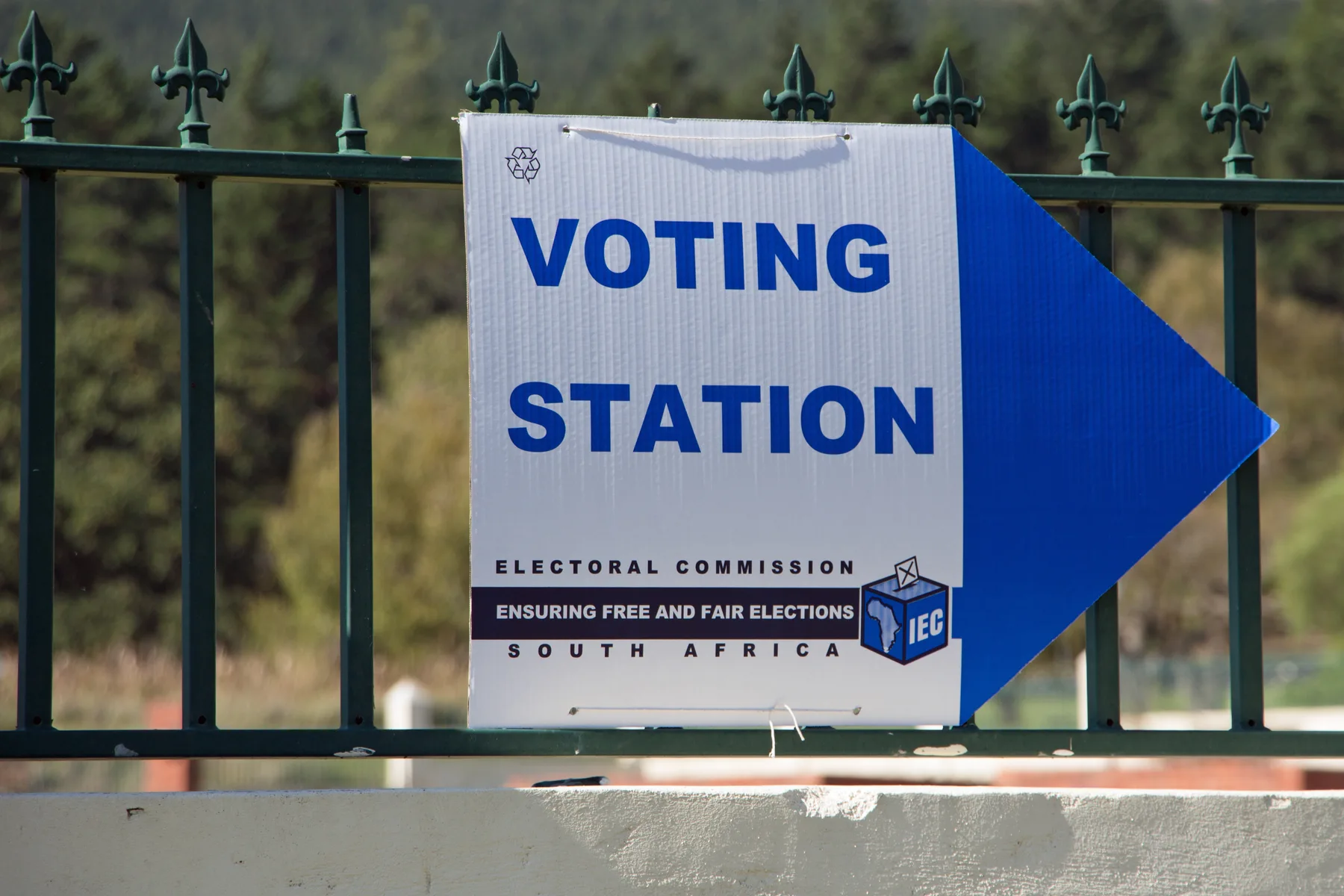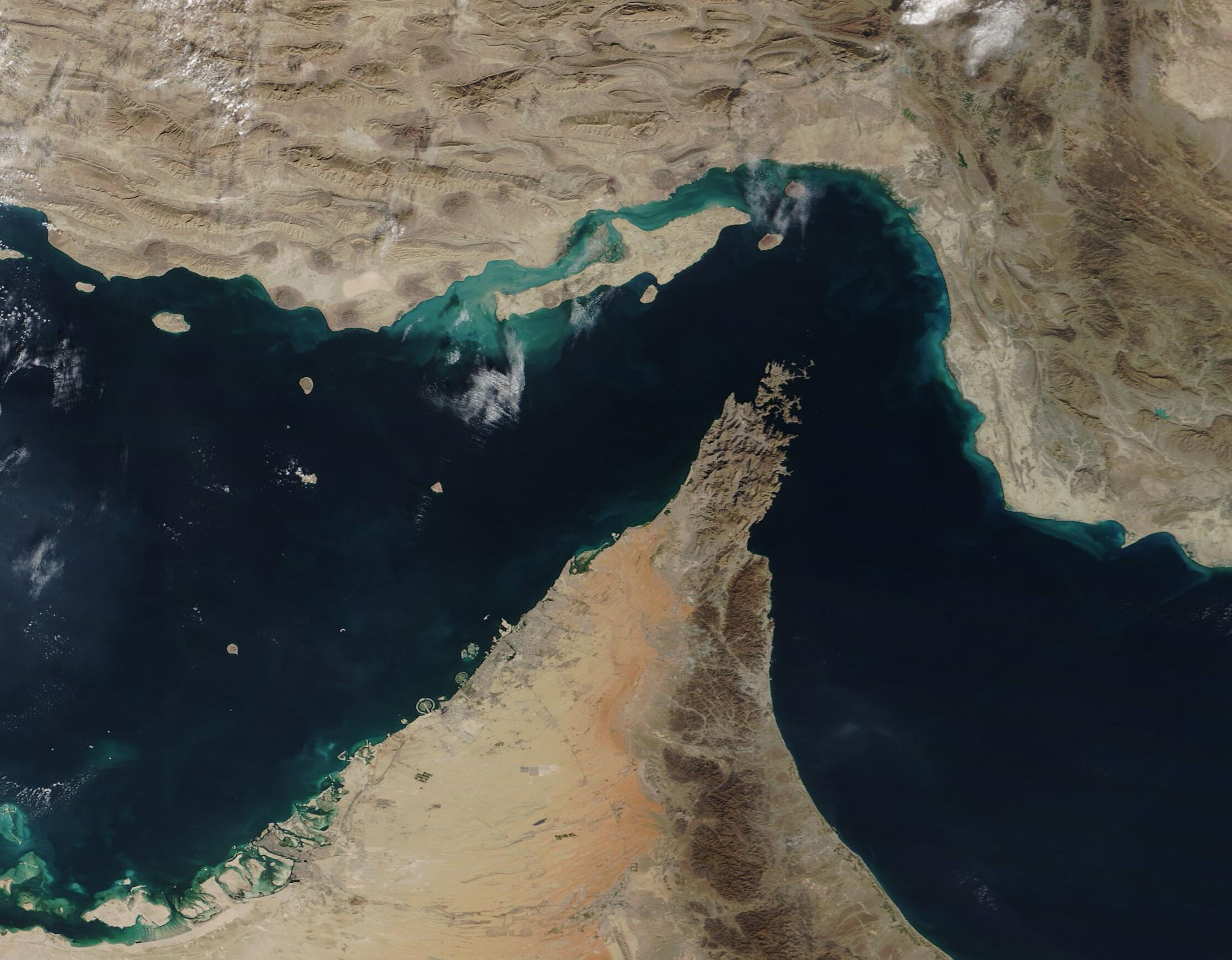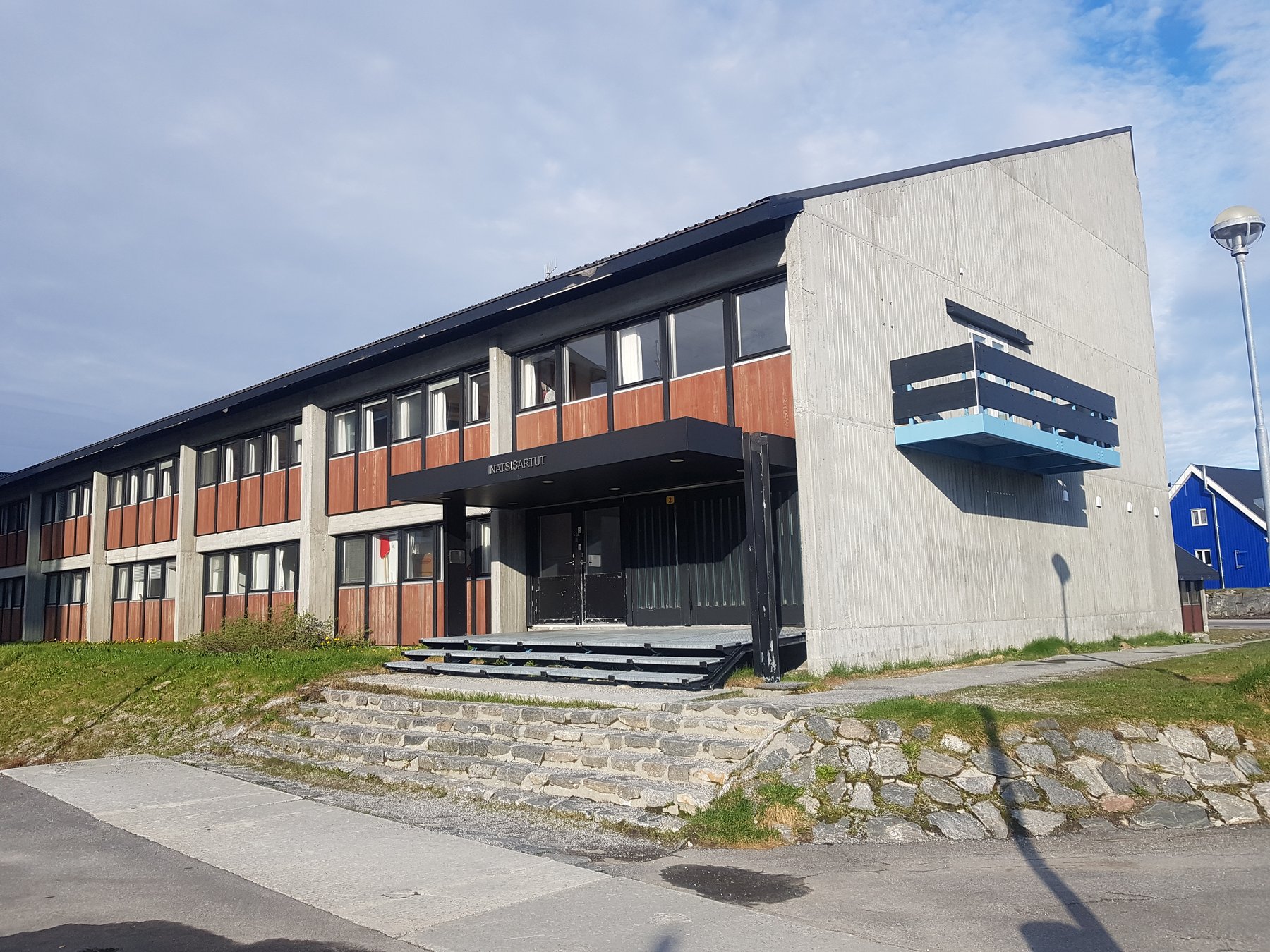
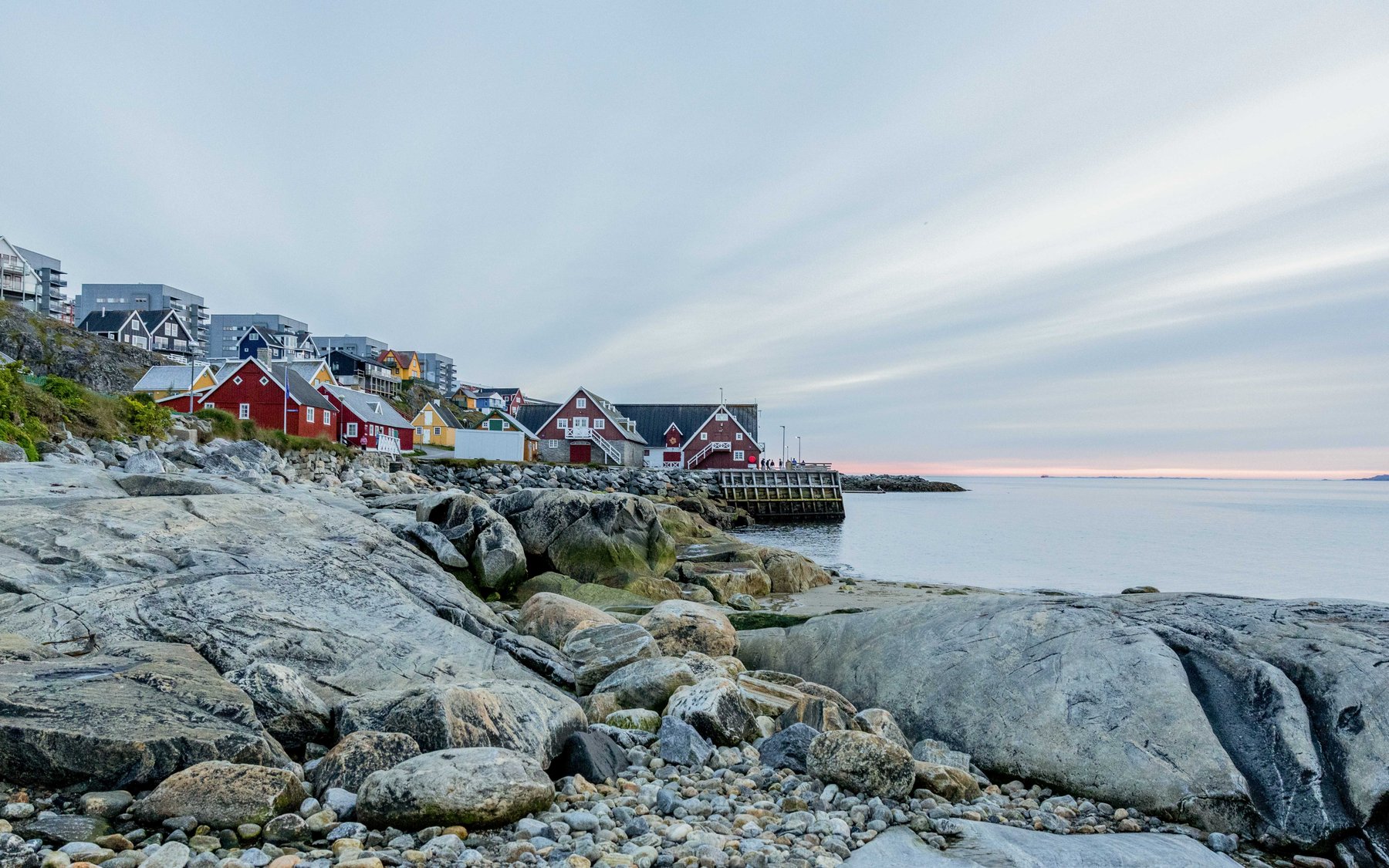
The Inatsisartut agenda marks the agreement as adopted, and Reuters and the Associated Press independently report the 16–0 vote with seven abstentions. The signed treaty and Greenland government’s proposal establish its terms and entry-into-force condition; Denmark’s parliamentary process remains pending. The images are dated archive/context photographs, not pictures of the vote.
Greenland has voted; Denmark’s step remains
Greenland’s parliament, Inatsisartut, approved the island’s defense agreement with Denmark and the United States on Tuesday, Nov. 3, in a 16–0 vote, with seven members abstaining, Reuters and the Associated Press reported. The agreement was signed in New York on Sept. 22 by U.S. President Donald Trump, Danish Prime Minister Mette Frederiksen and Greenlandic Prime Minister Jens-Frederik Nielsen.
The vote clears Greenland’s parliamentary step, but it does not put the agreement into force. The treaty says it takes effect only after the required parliamentary procedures in Greenland and Denmark are complete and a diplomatic note is sent to Washington. Reuters reported that Denmark’s parliament is due to begin consideration on Nov. 11 and vote on Nov. 19.
What the pact would allow in the Arctic
The pact amends the 1951 U.S.–Denmark defense agreement for Greenland. It allows the United States to modernize and expand Pituffik Space Base, and sets out a route for additional U.S. defense areas at Narsarsuaq and Mestersvig. The two governments and Greenland would still have to agree technical arrangements and other details for those locations.
The text also supports deeper NATO planning, exercises and intelligence cooperation in the Arctic. It provides U.S. military access across Greenland and says Washington will use Greenlandic suppliers for defense-area contracts to the maximum extent possible. Those provisions could widen the island’s strategic role, but do not by themselves establish a completion date or a guaranteed value for local contracts.
Sovereignty language and the economic test
The treaty reaffirms Denmark’s sovereignty and Greenlanders’ right to self-determination. It has no end date and can be changed only by mutual consent. If Greenland becomes independent, the text says the new state would have to seek NATO membership and assume the agreement’s rights and obligations.
That future obligation sits alongside a current political dispute over what Greenland receives. Reuters reported that Naleraq, the prominent pro-independence opposition party, questioned the agreement’s economic value and said no benefit had yet been secured. The treaty does call for contracts to go to Greenlandic firms “to the maximum extent possible,” but it sets no minimum spending or job target. That gap helps explain why parliamentary approval settles the next procedural step without resolving the argument over local returns.
Sources
5 references
- InatsisartutAgenda, 19th sitting: agreement proposal marked adopted (Danish)Primary parliamentary record · 2026-11-03
- Government of GreenlandDecision proposal on Greenland’s accession to the defense agreement (Danish PDF)Primary document · 2026-10-12
- The White HouseAgreement between the United States, Denmark and GreenlandSigned treaty text · 2026-09-22
- ReutersGreenland parliament ratifies security deal reached with TrumpIndependent reporting · 2026-11-03
- Associated PressGreenland approves security deal with Denmark and US following months of Trump pressureIndependent reporting · 2026-11-03