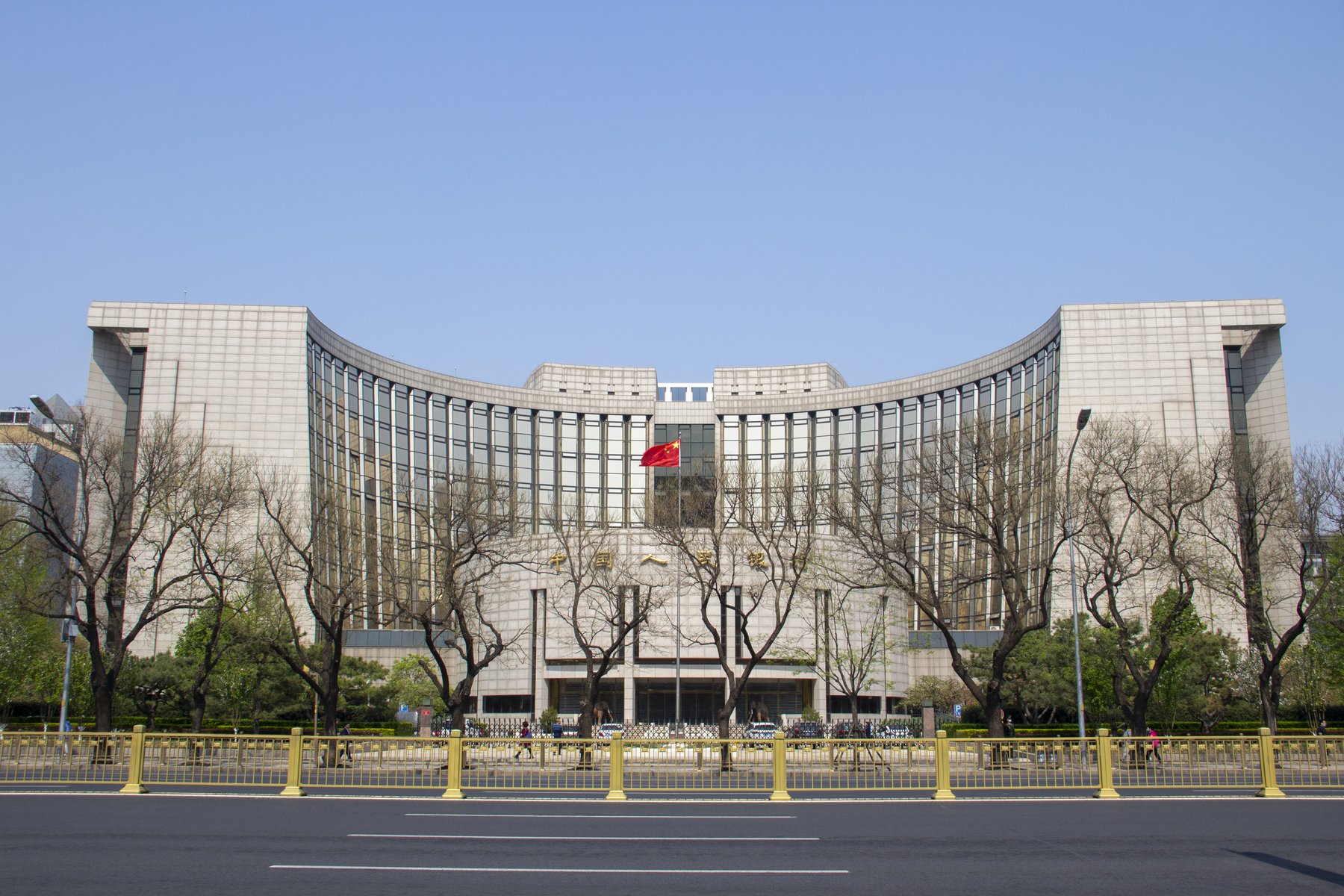
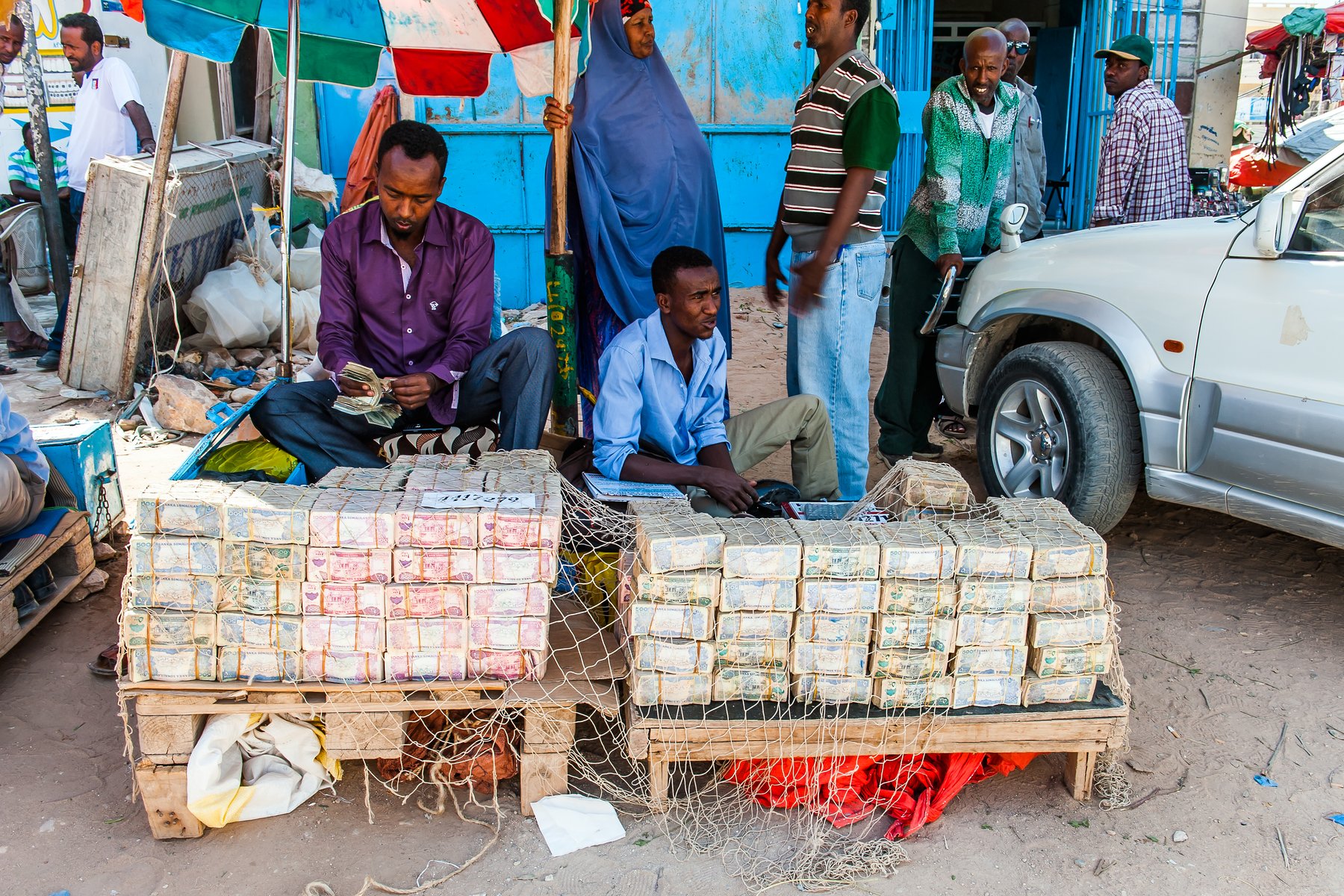
The PBOC statement, republished by Xinhua from the central bank’s official WeChat account, confirms the 4%-to-6% change and Nov. 15 start date. Reuters independently reported the market reaction and analyst views; its $24 billion figure is a calculation from official foreign-exchange deposit data, not a PBOC estimate. The Wall Street Journal also confirmed the change and effective date. The actual-event photo search found agency images with licensing requirements and an official meeting photo without an express reuse license. These are dated archive photographs: the PBOC building is from 2021, and the money changers are in Hargeisa, Somaliland, in 2014.
The rule changes on Nov. 15
China’s central bank said on Tuesday, Nov. 3, that it will raise the foreign-exchange deposit reserve requirement for financial institutions by two percentage points, from 4% to 6%, starting Nov. 15. The ratio determines how much of those institutions’ foreign-currency deposits must be held in reserve.
The People’s Bank of China said the change is intended to strengthen foreign-exchange liquidity management. It did not announce a target level for the yuan. The increase reverses a September 2023 cut from 6% to 4%, which had been made as the currency was weakening.
A stronger yuan is changing the pressure
The onshore yuan weakened by as much as 0.37% against the dollar after the announcement, touching 6.6728 per dollar, Reuters reported. Before the move, the currency had gained more than 5% against the dollar in 2026 and reached its strongest level since 2022.
Reuters estimated that the higher ratio would place an additional $24 billion in foreign currency into reserves, using official deposit data. That is a news-agency calculation, not an amount announced by the PBOC. Strong exports, a large trade surplus and companies converting foreign-currency receipts have helped support the yuan, according to Reuters.
A liquidity signal, not an exchange-rate target
By requiring institutions to hold a larger share of their foreign-currency deposits, the central bank can reduce the dollars readily available in the domestic banking system. That may temper one-way bets on the yuan, but it cannot by itself set the exchange rate or guarantee that the currency will fall.
Reuters quoted analysts who viewed the adjustment as more of a signal than a measure likely to reverse the yuan’s direction. A stronger yuan can reduce the local-currency value of exporters’ dollar earnings while making imports cheaper. The policy shift points to Beijing managing that tension as the currency strengthens, rather than announcing a fixed level it intends to defend.
Sources
5 references
- People’s Bank of China via XinhuaPBOC decides to raise foreign-exchange deposit reserve ratioXinhua republishes the central bank’s official WeChat statement: the reserve ratio for financial institutions rises by 2 percentage points, from 4% to 6%, on Nov. 15. · 2026-11-03
- ReutersChina to raise FX reserve requirement to slow yuan’s rallyReports the PBOC statement, the yuan’s market reaction, and analysts’ views. The additional $24 billion is Reuters’ calculation based on official foreign-exchange deposit data. · 2026-11-03
- The Wall Street JournalChina’s Central Bank Tweaks Forex Reserve Rules to Steady YuanIndependent report confirming the two-percentage-point increase and Nov. 15 effective date. · 2026-11-03
- Wikimedia Commons — image source and license中国人民银行.jpg by 維基小霸王 — CC BY-SA 4.0Archive photograph of the People’s Bank of China headquarters; the photographer’s file page grants CC BY-SA 4.0. · 2021-04-07
- Wikimedia Commons — image source and licenseMoney Changer.jpg by Karoline.Piegdon — CC BY-SA 4.0Archive photograph of money changers in Hargeisa, Somaliland; the photographer’s file page grants CC BY-SA 4.0. It is context only, not a Chinese exchange outlet. · 2014-11-02