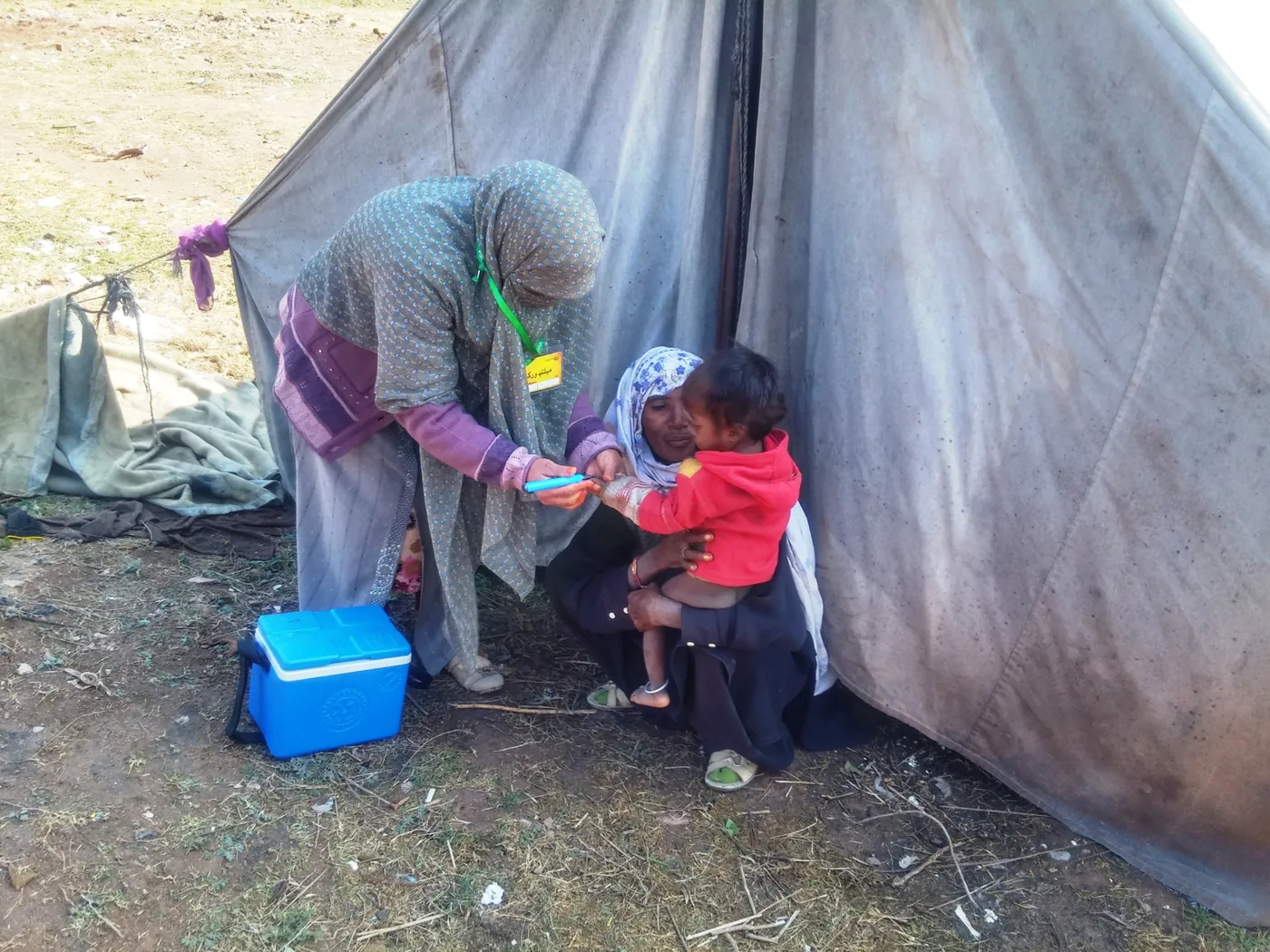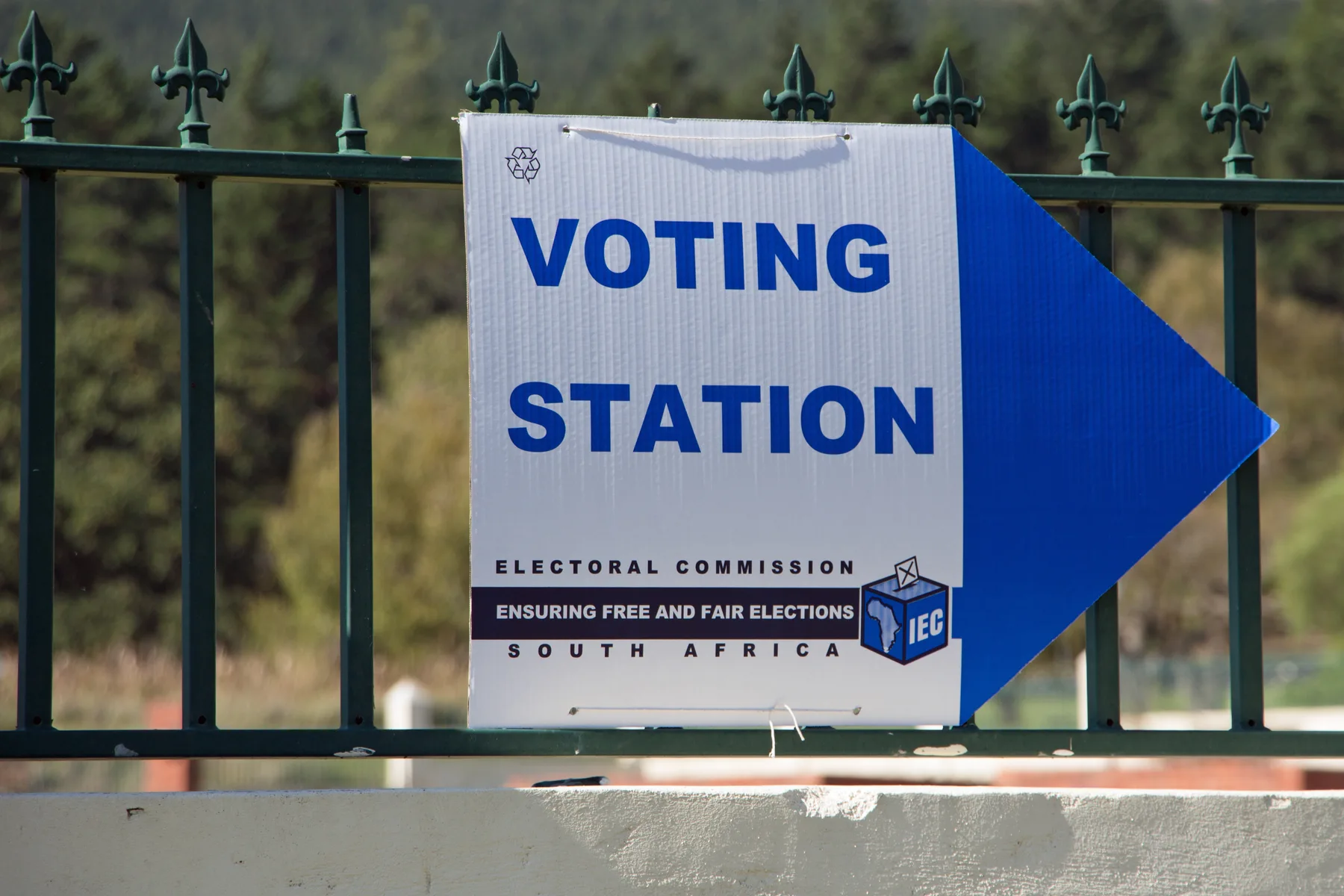
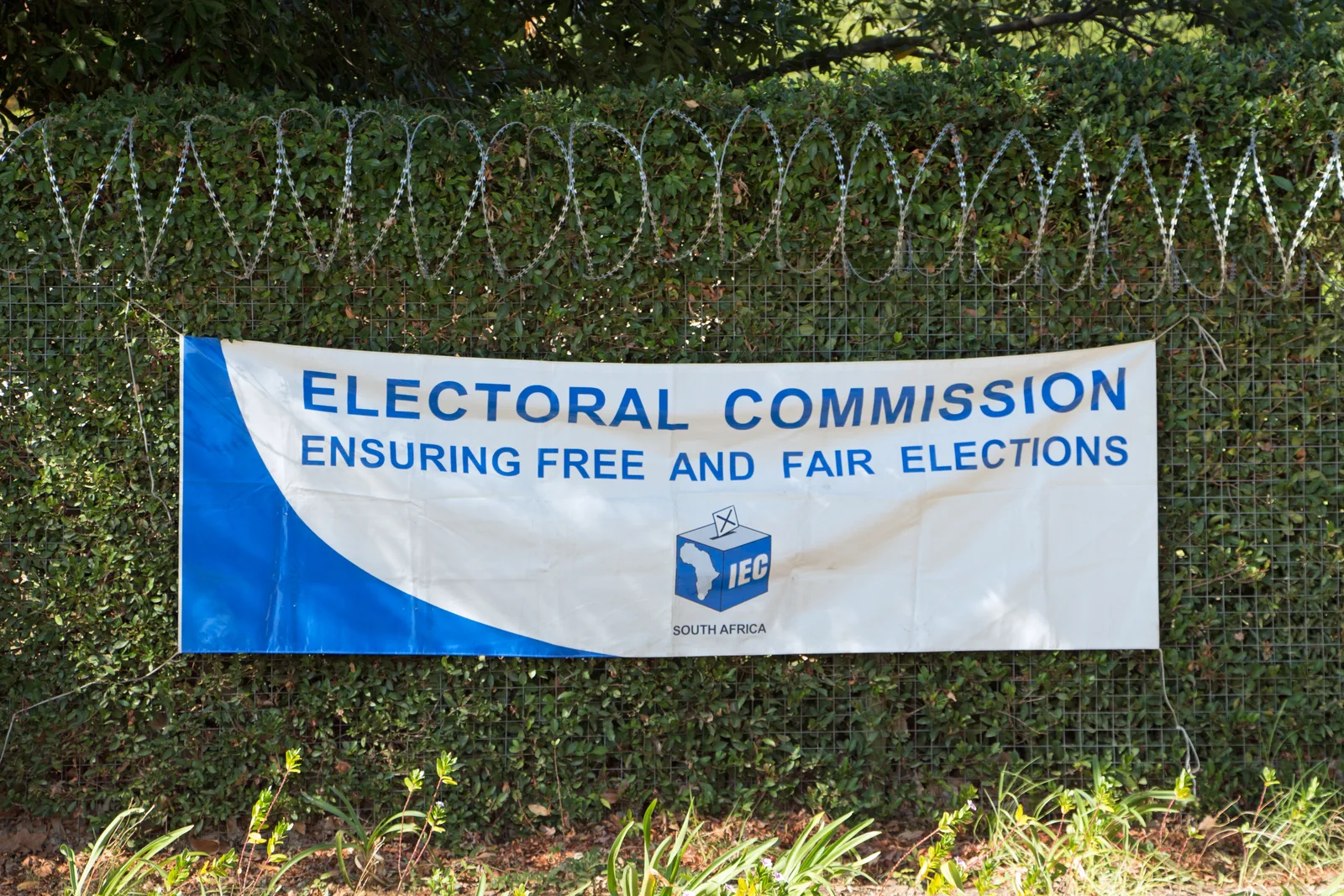
Two separate local news reports, eNCA and EWN, said the IEC reported that 217 Cape Metro stations opened late on Nov. 2; no station-by-station audit or opening-time dataset was located. eNCA attributed the ballot reprint explanation to IEC official Masego Sheburi and linked it to a Constitutional Court ruling affecting the final candidate list; those printing and legal details are presented as the Commission’s explanation, not independently audited production records. On Nov. 3, SAnews relayed the IEC’s statement that all special-voting stations opened on time and that more than 1.3 million special votes had been cast by midday; that is the Commission’s tally, not an independent count. The event-photo search found 2026 publisher and agency images but no reuse terms authorizing publication; two distinct archive photographs from South African elections in 2014 are used instead and do not depict the 2026 Cape Town delays. Both originals are retained in public/newsroom/source-originals. Display files were proportionally resized and converted to WebP at quality 83 without cropping or content retouching; CC BY-SA 3.0 attribution and share-alike terms apply.
Why Cape Town stations opened late
Ballot-delivery delays kept 217 voting stations in Cape Town’s metropolitan area from opening at their scheduled 8 a.m. start on Monday, Nov. 2, interrupting the first day of South Africa’s special-voting window just ahead of Wednesday’s local-government election day.
Both eNCA and Eyewitness News reported the disruption. eNCA quoted IEC official Masego Sheburi as saying ballots had to be reprinted after a Constitutional Court ruling changed the final candidate list, including the reinstatement of 181 African National Congress candidates. That is the Commission’s explanation as reported by eNCA; public station-by-station opening records and printing records were not available in the reporting reviewed.
A smoother second day, according to the IEC
The IEC said all special-voting stations opened on time on Tuesday, Nov. 3. SAnews, the government’s news service, reported the Commission’s figure of more than 1.3 million special votes cast by midday that day. The number is an official tally relayed by SAnews, not an independently audited count.
The two-day special-voting period lets voters approved by the IEC cast a ballot before election day; it includes station voting and, for eligible applicants, home visits. The Commission scheduled the local-government election’s main polling day nationwide for Wednesday, Nov. 4.
Special ballots are counted with election-day votes
Before the delay, the IEC had approved 2,655,067 special-voting applications nationwide, according to its Nov. 1 readiness statement. The Commission said ballots cast early would be sealed and reconciled, then counted with election-day votes rather than announced separately during the special-voting period.
That means the late opening affected access to an early-voting option at the reported stations; it does not by itself establish how many voters were unable to cast a ballot. The Commission said voters who missed special voting could still use their assigned polling station on election day.
Sources
4 references
- eNCASpecial voting hit by delays as 217 Cape Town stations open lateLocal reporting on the first day of special voting. Reports that 217 Cape Town metro stations opened late and attributes the ballot-printing explanation and candidate-list context to IEC official Masego Sheburi. · 2026-11-02
- Eyewitness News (EWN)Late ballot paper deliveries affect special voting in Cape TownSeparate local reporting that 217 stations in Cape Town could not open at the scheduled 8 a.m. start; quotes the IEC on a delay in special-voting ballot deliveries. · 2026-11-02
- SAnewsOver 1.3 million cast special votes as IEC warns against misinformationSouth African government news service account of the IEC’s Nov. 3 update: stations opened on time on the second day and more than 1.3 million special votes had been cast by midday. This is an attributed Commission tally. · 2026-11-03
- South African Government / Electoral CommissionState of readiness: special voting on 2 and 3 NovemberPrimary IEC readiness statement setting out the special-voting window and approved applications before the reported delay; it confirms election day was Nov. 4 and that special-voting ballots are reconciled and counted with election-day votes. · 2026-11-01