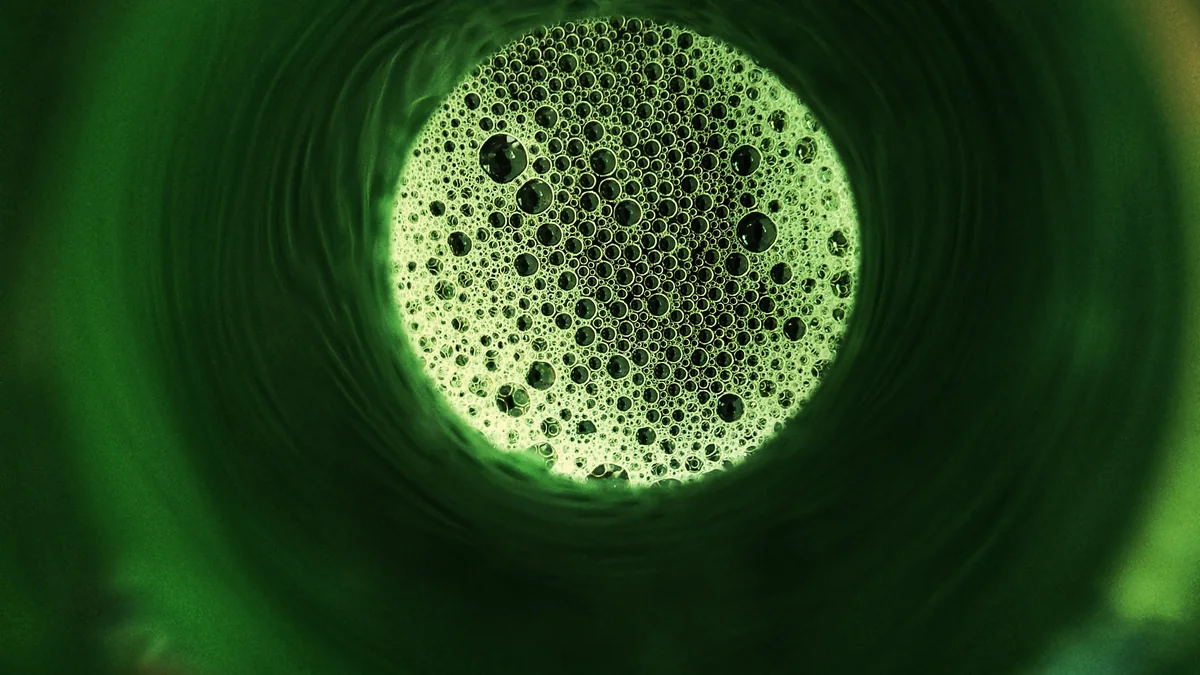
INCE NEWS compared Manipur government advisories and the official Akashvani account with The Sangai Express, Hindustan Times, Northeast Now and Indian Express. Local reporting placed the toll at 19 after earlier deaths were linked to the same cluster; the latest official broadcast reviewed listed 16, and other reports listed 17, reflecting different cut-off times and case attribution. More than 600 people had sought or received hospital care. Police have arrested six suspects, but no guilt has been established. Laboratory tests and a state inquiry were still pending, so the alcohol is described as suspected spurious or adulterated liquor and no toxic substance is named as confirmed. Same-day government and news photographs were publicly visible but lacked verified reuse terms. The story therefore uses a 2013 Government Open Data Licence medical-camp photograph from Chandel district and a separate 2019 CC BY-SA 4.0 photograph taken inside a whisky bottle. Both are archive context and neither depicts this incident.
A fast-growing caseload has strained hospitals
At least 19 people have died and more than 600 have sought or received hospital care in Manipur after drinking alcohol suspected of being illegally produced or adulterated, according to the latest local reporting reviewed on Sunday.
Patients came from several parts of the northeastern Indian state, including Chandel district, Sugnu and the Imphal area. Hospitals expanded intensive-care and dialysis services as people arrived with serious illness over several days.
The toll changed as hospitals reported new deaths and authorities linked two earlier deaths, on November 10 and 13, to the same cluster. An official public broadcast listed 16 deaths, another national report listed 17 and later local accounts placed the total at 19.
Tests have not yet identified the toxic agent
Officials have described the drinks as suspected spurious liquor, a term used in India for alcohol produced or sold outside legal controls and sometimes mixed with dangerous substances. Laboratory results had not established what caused the illnesses.
Police seized samples and sent them for forensic analysis. Six people were arrested in connection with alleged production and distribution, while investigators traced a possible supply route through Andro and Sugnu. Those allegations remain under investigation.
A state inquiry committee was given one month to report. Until the toxic agent and distribution chain are confirmed, neither the scale of exposure nor the full group of sellers involved can be treated as settled.
The health advisory is aimed at delayed illness
Manipur's health authorities advised anyone who drank suspected liquor during the previous 48 to 72 hours to seek medical evaluation even without symptoms. They also asked people to preserve bottles or samples and share information with police and health teams.
The advice reflects the danger that serious poisoning may become apparent after a delay. It does not establish which chemical is responsible in this case, and officials cautioned against self-treatment.
Hospitals reported patients requiring intensive monitoring and dialysis. The Sangai Express said Shija Hospitals had treated 86 people, with nine in intensive care and 38 receiving or being advised to receive dialysis, while other facilities were also handling large numbers.
Enforcement now extends beyond the immediate outbreak
The incident has renewed scrutiny of unlicensed alcohol supply in a state where prohibition rules and enforcement vary by area. Officials ordered searches, seizures and checks on suspected sellers while keeping emergency services focused on patients.
The next verified milestones will be the forensic results, a reconciled official death count and the inquiry committee's findings. Each matters for separating a single contaminated batch from a broader distribution problem.
For residents, the practical message remains immediate: people who may have consumed the suspected products have been told not to wait for symptoms before contacting health services.
Sources
7 references
- AkashvaniManipur spurious liquor incident death toll rises to 16Official public broadcaster report on the state briefing, hospital count, arrests, forensic testing, inquiry and health advisory. · 2026-11-21
- The Sangai ExpressDeath toll in suspected spurious liquor case rises to 19Local reporting on the latest deaths, hospital caseload and dialysis demand. · 2026-11-22
- Hindustan TimesManipur probes suspected spurious liquor deaths as toll rises to 17; six arrestedIndependent reporting on the investigation, official visits, arrests and unresolved toxic cause. · 2026-11-21
- Northeast NowManipur spurious liquor death toll rises to 19, over 600 hospitalisedRegional reporting on the latest toll, intensive-care cases and preliminary supply-chain inquiry. · 2026-11-22
- Indian ExpressManipur hooch tragedy: Death toll 16, 600 hospitalisedIndependent reporting on the official count, hospital response and pending laboratory findings. · 2026-11-21
- Wikimedia CommonsMedical camp at Khangshim, Chandel district, October 30, 2013Lead-photo provenance and Government Open Data Licence - India terms. · 2013-10-30
- Wikimedia CommonsInside the whisky bottle.jpgInline-photo provenance and CC BY-SA 4.0 licence. · 2019-09-18