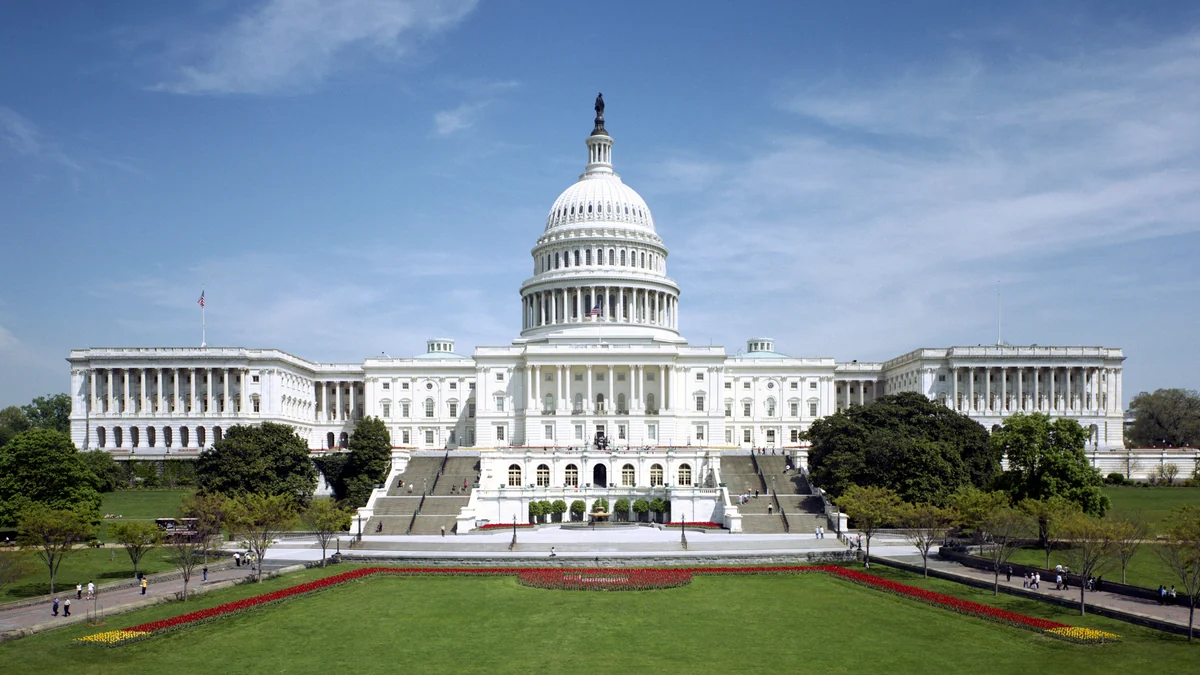
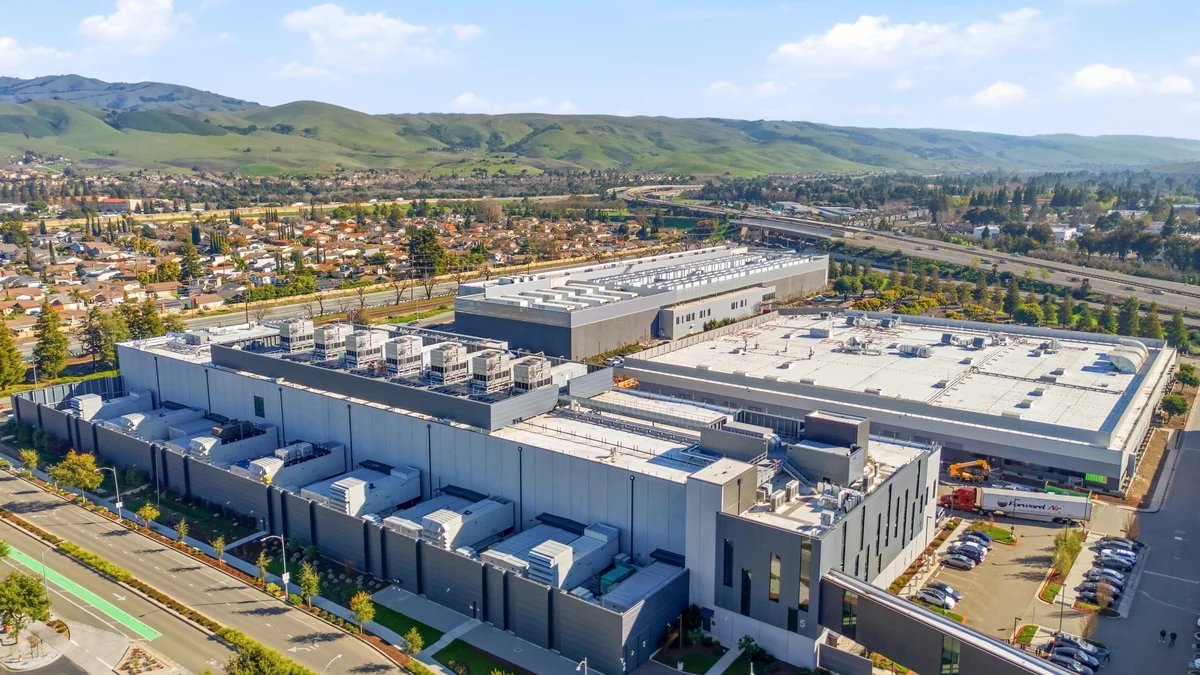
The Senate's Nov. 9 cloture vote, Nov. 10 motion to proceed and Nov. 11 cloture filings were checked against official roll calls, the Senate vote index, the Periodical Press Gallery and the Democratic Caucus floor schedule. Associated Press and Reuters independently reported the package's scope, timetable and opposition. The 73-25 vote on Nov. 9 limited debate on taking up the bill; the 62-21 vote on Nov. 10 adopted the motion to proceed. Neither was final passage. H.R. 2347 is the floor vehicle, while the current permitting text is in a substitute amendment. Claims about lower prices and faster construction are attributed to supporters rather than stated as outcomes. A bounded current-event search found news-agency images but no clearly reusable photograph of this week's floor action. The lead is a Dec. 20, 2011 US Capitol image by the Architect of the Capitol, public domain, rotated 0.4 degrees counterclockwise by Crisco 1492 before this reuse. The inline image is an Aug. 21, 2026 Equinix Silicon Valley data-center photograph by Equinix, Inc., CC BY-SA 4.0 with permission confirmed through Wikimedia's VRT system. Both are context images. Originals are retained in source; derivatives were centre-cropped to 1,200 × 675 and converted to WebP at quality 86 with no further retouching.
The Senate has agreed to debate the package, not pass it
The US Senate voted 62-21 on Tuesday to proceed to an energy and infrastructure permitting package, moving the measure into an amendment fight rather than completing it. Leaders then filed cloture on the bipartisan substitute and underlying bill on Wednesday, setting up further procedural votes.
That sequence matters because two different tallies describe two different steps. A 73-25 vote on Monday limited debate on the motion to proceed; the 62-21 vote adopted that motion the following day. Neither vote sent the legislation to the House or the president. Senator Sheldon Whitehouse, one of the bill's four lead negotiators, told Reuters that amendment and final-passage votes are expected next week.
Faster approvals come with a fight over safeguards
The substitute amendment would revise federal reviews and litigation rules that affect electricity lines, pipelines, mines, roads and energy projects. Its sponsors say the changes would shorten delays for renewable and conventional energy alike, addressing a grid backlog that limits new generation and transmission.
Opponents argue that parts of the bill weaken environmental and historic-preservation reviews and reduce the influence of tribes and nearby communities. Reuters reported that Senator Adam Schiff and colleagues are seeking to remove changes to the National Historic Preservation Act because of concerns about tribal resources. Senator Josh Hawley is pursuing amendments on the use of eminent domain for long-distance transmission lines. Those disputes make the current text provisional.
Data centers are central to the ratepayer argument
A separate set of provisions responds to rapid electricity demand from large data centers. The package would direct federal regulators to ensure that major new loads bear the transmission costs they cause rather than shifting those costs to households and existing businesses. It also links accelerated interconnection and permitting to financial commitments from developers.
Supporters, including the administration, say more predictable approvals could unlock power projects and reduce costs over time. That is a policy claim, not a measured result: the price effect would depend on which projects are built, how costs are allocated and how quickly new capacity reaches the grid.
House passage remains a separate hurdle
Even if the Senate approves the amended package next week, the House would need to accept the same text or negotiate a compromise. Associated Press reported uncertainty about the measure's House prospects, where lawmakers have their own permitting priorities.
The floor vehicle is H.R. 2347, an existing House bill whose displayed title in Senate records does not describe the new energy package. The operative permitting language is being offered through the Capito substitute amendment. Until amendment votes finish, the final mix of environmental-review rules, landowner protections and data-center requirements remains unsettled.
Sources
10 references
- United States SenateRoll Call Vote 257: Cloture on the Motion to Proceed to H.R. 2347Primary record of the 73-25 cloture vote. · 2026-11-09
- United States SenateRoll Call Votes, 119th Congress, 2nd SessionPrimary index recording the 62-21 motion to proceed. · 2026-11-10
- Senate Periodical Press GalleryFloor schedule and cloture filingsPrimary floor record showing cloture filed on the substitute amendment and underlying bill. · 2026-11-11
- Senate Democratic CaucusSchedule for Thursday, November 12, 2026Primary schedule for the amendment filing deadline and pending legislation. · 2026-11-11
- Associated PressSenate advances sweeping energy legislation in first major action since midterm electionsIndependent reporting on the bill's bipartisan coalition, scope and opposition. · 2026-11-09
- ReutersUS Senate to take up energy permitting bill, votes next week, Whitehouse saysIndependent reporting on the timetable and proposed amendments. · 2026-11-11
- US Senate Energy and Natural Resources CommitteeLee, Capito, Heinrich, and Whitehouse release substitute amendmentPrimary sponsors' summary of the substitute amendment. · 2026-11-07
- The White HouseStatement of Administration Policy: H.R. 2347Primary administration position and description of data-center cost provisions. · 2026-11-09
- Wikimedia CommonsUnited States Capitol - west front tilt correct.jpgArchive image by the Architect of the Capitol, public domain; rotated by Crisco 1492. · 2011-12-20
- Wikimedia CommonsEquinix - Silicon Valley Data Center (2026).jpgContext image by Equinix, Inc., CC BY-SA 4.0 with VRT permission confirmed. · 2026-08-21