This article synthesizes published sources listed below. Consult those sources for their evidence and scope.
A cross-sector effort expands to $1.8 billion
Biohub, the US Department of Energy and the National Institutes of Health announced an expanded collaboration on October 7 to generate and standardize biological data for predictive artificial-intelligence models. Biohub values the combined commitment of funding, existing data, computing and measurement technology at $1.8 billion.
Google DeepMind, Isomorphic Labs and Meta are jointly investing $300 million. Biohub previously committed $500 million over five years, while the Department of Energy plans to invest more than $500 million in laboratory measurement, modeling and computation, according to Reuters and the participating organizations.
The project is trying to build an internet-scale resource for cells
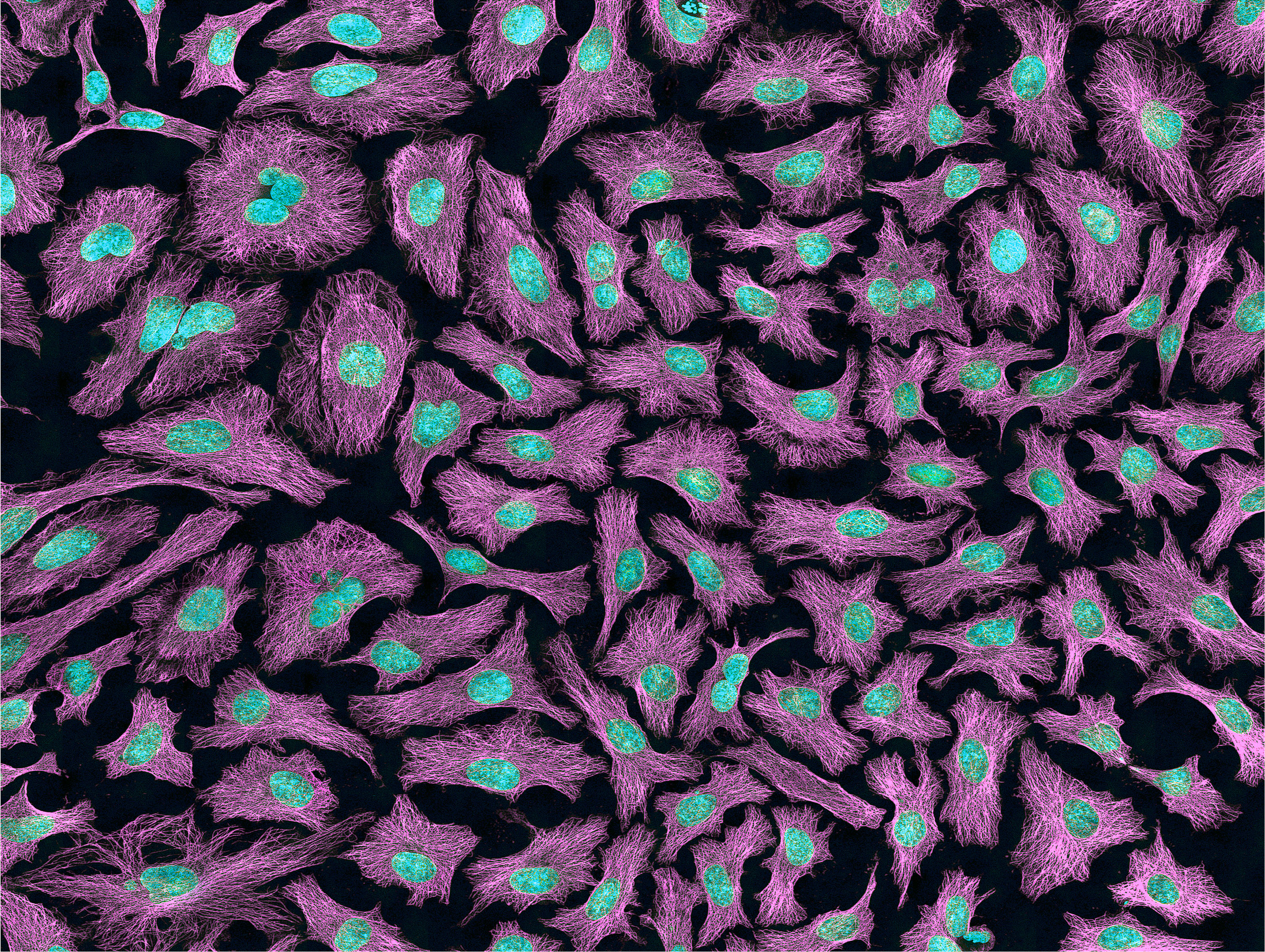
Text-based AI benefited from enormous collections of online language, but cell biology has no comparable standardized corpus. The Virtual Biology Initiative aims to measure how cells behave across many conditions and interventions, then turn those observations into datasets suitable for training models.
The objective is not a digital copy of a person. Researchers are seeking models that can predict cellular responses well enough to help choose experiments, identify promising drug targets and test hypotheses before committing time and material in a laboratory.
Federal laboratories and health repositories bring different assets
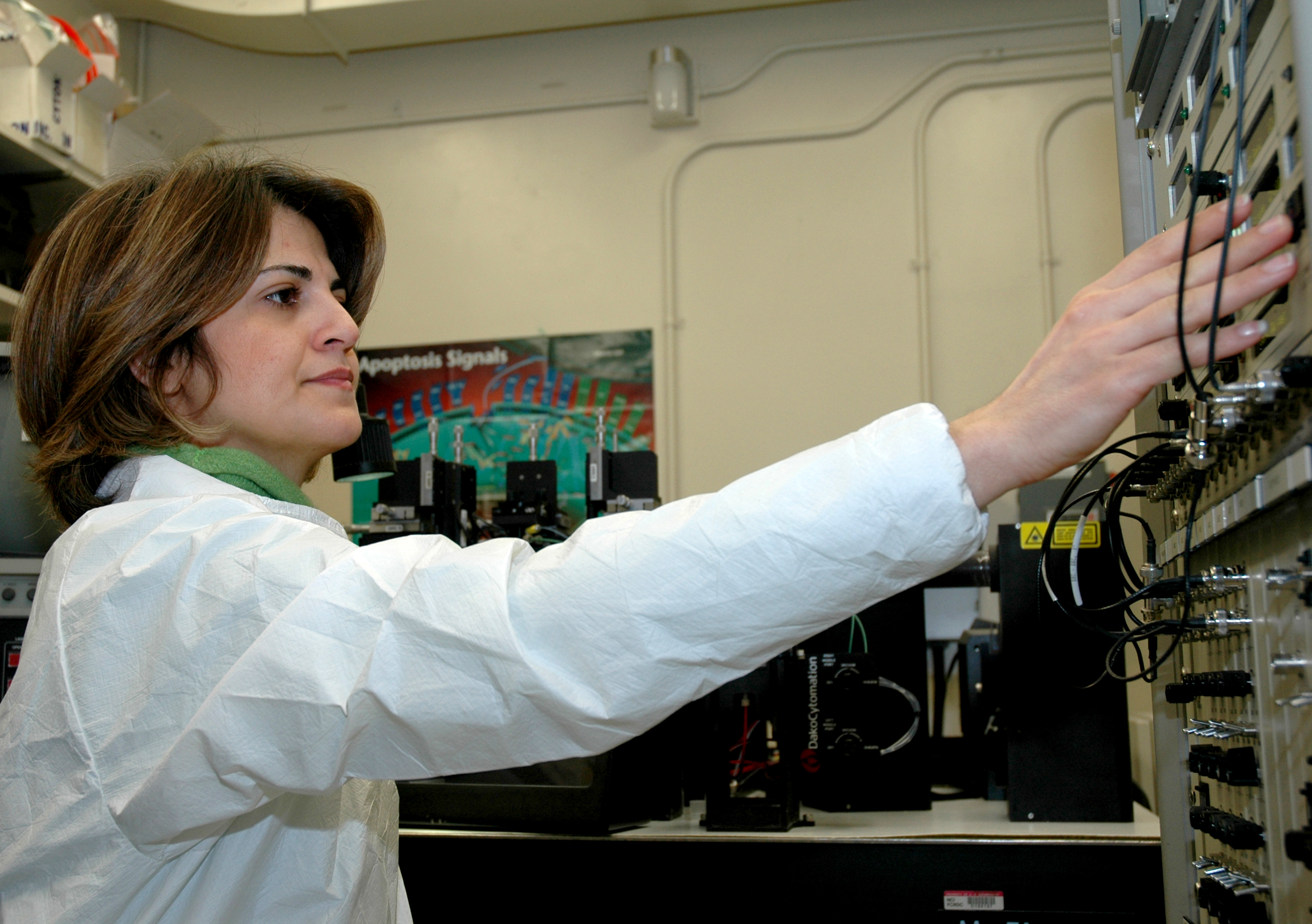
Under a memorandum of understanding, Department of Energy national laboratories will contribute large-scale computing, modeling and experimental capabilities. NIH will help coordinate relevant health datasets, repositories and knowledge bases developed through more than $500 million in earlier federal investment.
Biohub says the resulting resources are intended to support open research, although Reuters reported that some private funders may receive an initial period of exclusive access before data are released more broadly. The timing and practical terms of access will therefore matter as the project develops.
Big funding does not remove biology's validation problem
Predictive models can narrow the search space, but claims about a drug, gene or cellular pathway still require physical experiments and clinical testing. Biological systems also vary across cell types, genetic backgrounds and environments, making accuracy and representation central challenges.
Biohub expects its first new dataset within about a year and is targeting functional predictive models within five years. Those are project goals rather than guaranteed scientific outcomes; progress will depend on data quality, reproducibility and whether models make predictions that laboratories can confirm.
Sources
3 references
- BiohubAI-ready biological data: $1.8 billion global commitmentPrimary announcement · 2026-10-07
- US Department of EnergyDOE, NIH, and Biohub partner to build foundational data for predictive biological modelsGovernment announcement · 2026-10-07
- ReutersUS government, Google join Zuckerberg-backed Biohub in $1.8 billion push for AI biology dataIndependent reporting · 2026-10-07


