This article synthesizes published sources listed below. Consult those sources for their evidence and scope.
Nine countries target the same criminal corridor
Operation Madre Tierra VIII led to 233 arrests across Colombia, Costa Rica, the Dominican Republic, El Salvador, Guatemala, Honduras, Mexico, Nicaragua and Panama, according to INTERPOL. The coordinated operation ran from June 1 to July 31, and its results were announced on October 7.
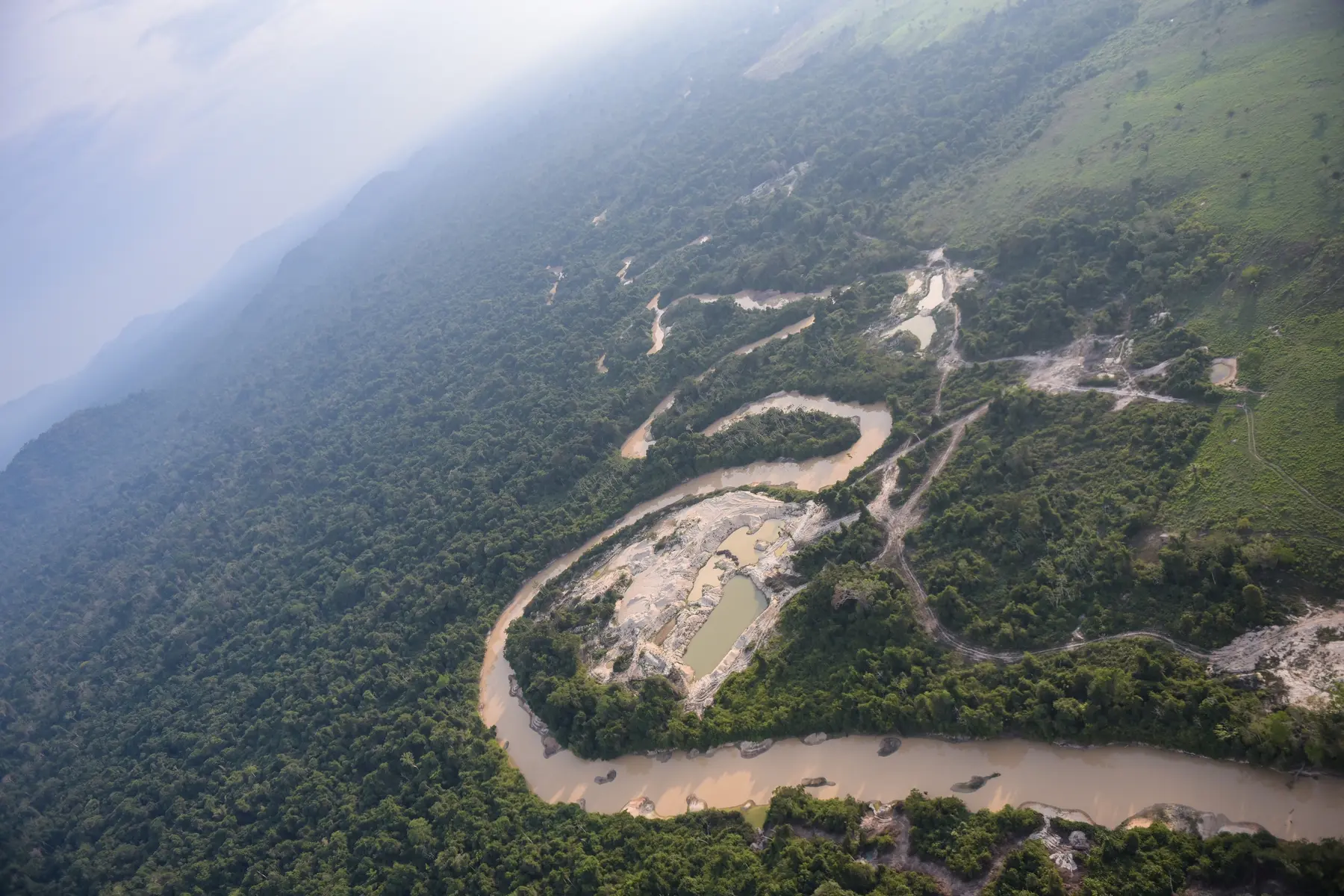
Authorities reported more than 330 cases, identified 312 people suspected of involvement in environmental offences and carried out 313 seizures. Investigators also identified about 60,000 hectares of illegally cleared forest.
Investigators follow money beyond extraction sites
The operation moved beyond people directly cutting timber, extracting gold or transporting wildlife. INTERPOL said participating agencies traced payments, properties, shell companies and foreign-investment mechanisms suspected of supporting environmental crime across borders.
An Amazon deforestation inquiry that began with 11 foreign companies suspected of involvement in clearing more than 52,000 hectares of protected forest produced links to another 161 companies and 65 people across several continents. Those links are investigative leads and allegations, not findings of guilt.
Toxic chemicals and trafficked animals are seized
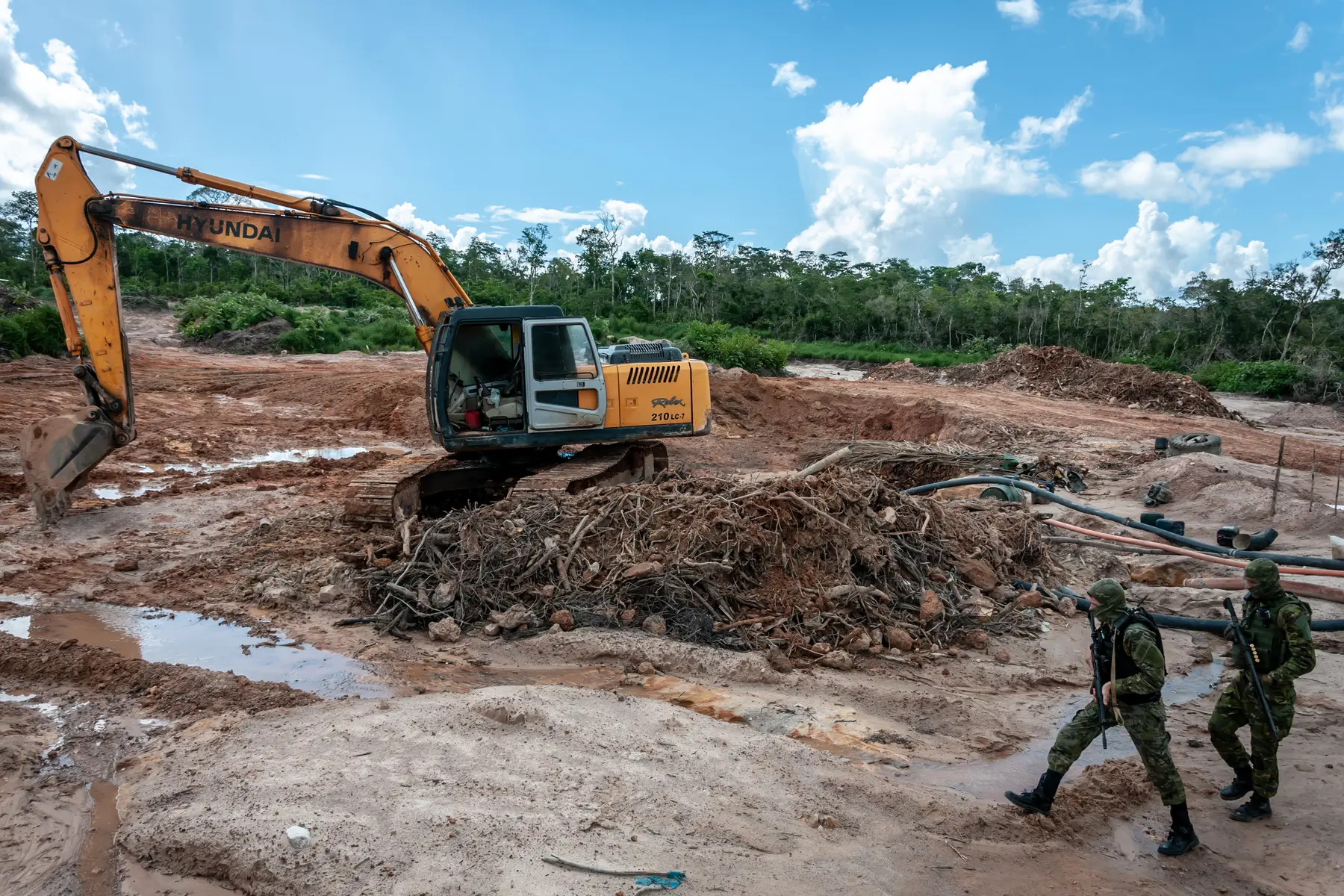
Authorities seized up to 4.6 metric tonnes of cyanide, 11 containers of mercury and ammunition in operations targeting illegal mining. Both chemicals can cause severe harm to rivers, wildlife and nearby communities when used or released without safeguards.
More than 1,000 live animals were recovered, including exotic birds and big cats. Investigators also seized 165 kilograms of dried shark fins, illustrating how wildlife trafficking shares routes and financial infrastructure with other transnational crimes.
Corporate links widen the enforcement challenge
INTERPOL issued three Red Notices, three Blue Notices and one Purple Notice connected to the broader network. Colombian raids produced 16 arrests and additional digital evidence for forensic analysis.
The operation shows why environmental enforcement increasingly depends on financial intelligence and international cooperation. Illegal extraction is local in its physical damage, but the buyers, financing and corporate structures can extend into North America, Europe and Asia.
Sources
2 references
- INTERPOL233 arrested in environmental crime crackdown in Latin America and CaribbeanPrimary operational findings and participating-country data · 2026-10-07
- Associated PressInterpol crackdown on illegal mining, logging and wildlife trafficking leads to 233 arrestsIndependent reporting and regional context · 2026-10-07


