The original company-advisory link no longer resolves. The surcharge announcement is supported by the October 8 Reuters dispatch republished by Devdiscourse; the original Reuters link is retained. These two links are versions of the same report, not independent confirmation. This link repair does not establish current surcharge rates.
A new surcharge lands on collection and delivery services
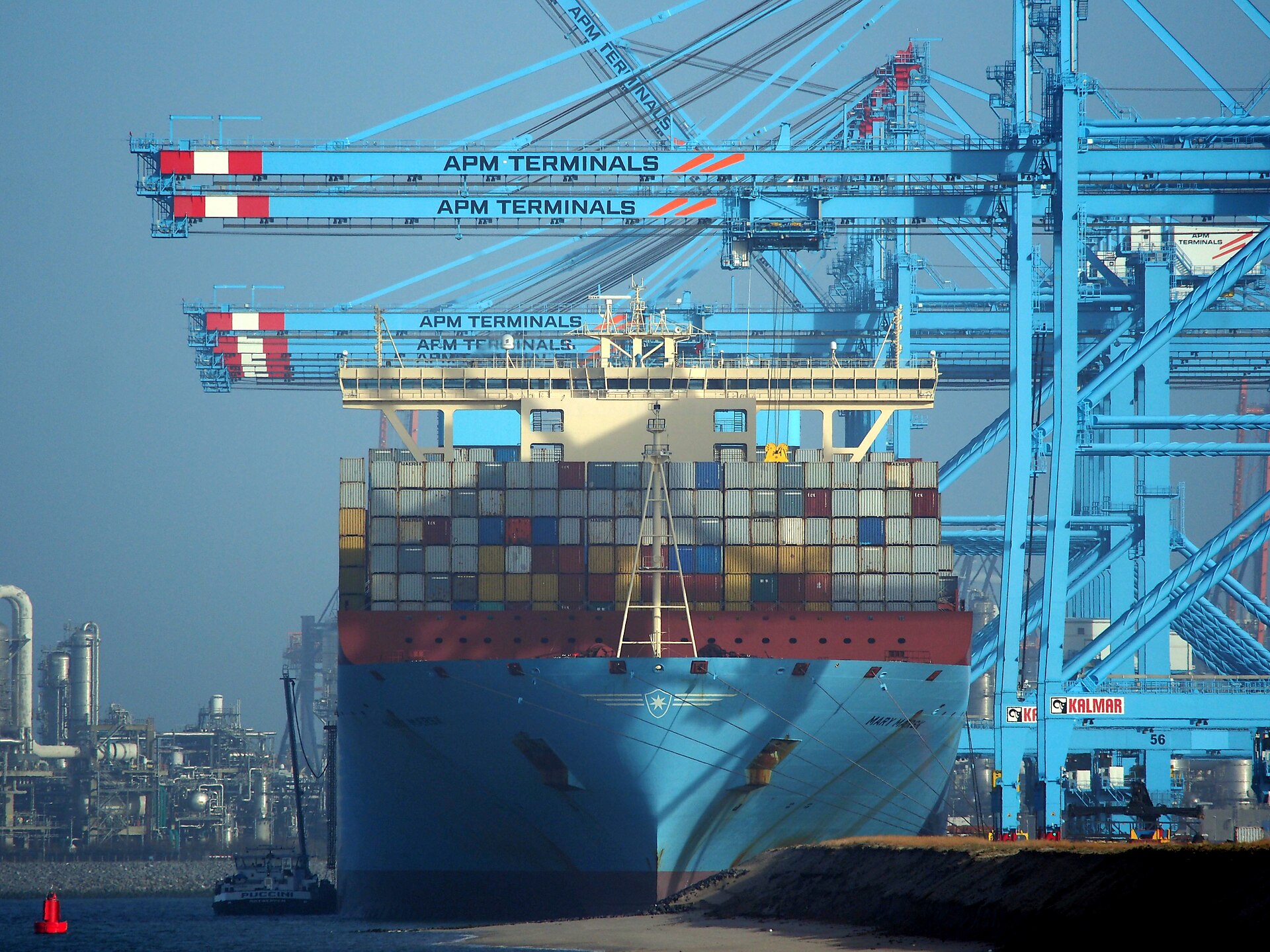
Maersk said it will raise its Emergency Fuel Surcharge to 20 percent from October 12 because the Middle East conflict has increased fuel costs. The October 8 company advisory applies to export collections and import deliveries in the affected UK less-than-container-load service covered by the notice.
The company said it would review the surcharge regularly. The announcement sets a direct, near-term price change rather than a forecast, although the amount ultimately paid by an individual customer will still depend on the shipment and contract involved.
Gulf attacks are narrowing a critical shipping corridor
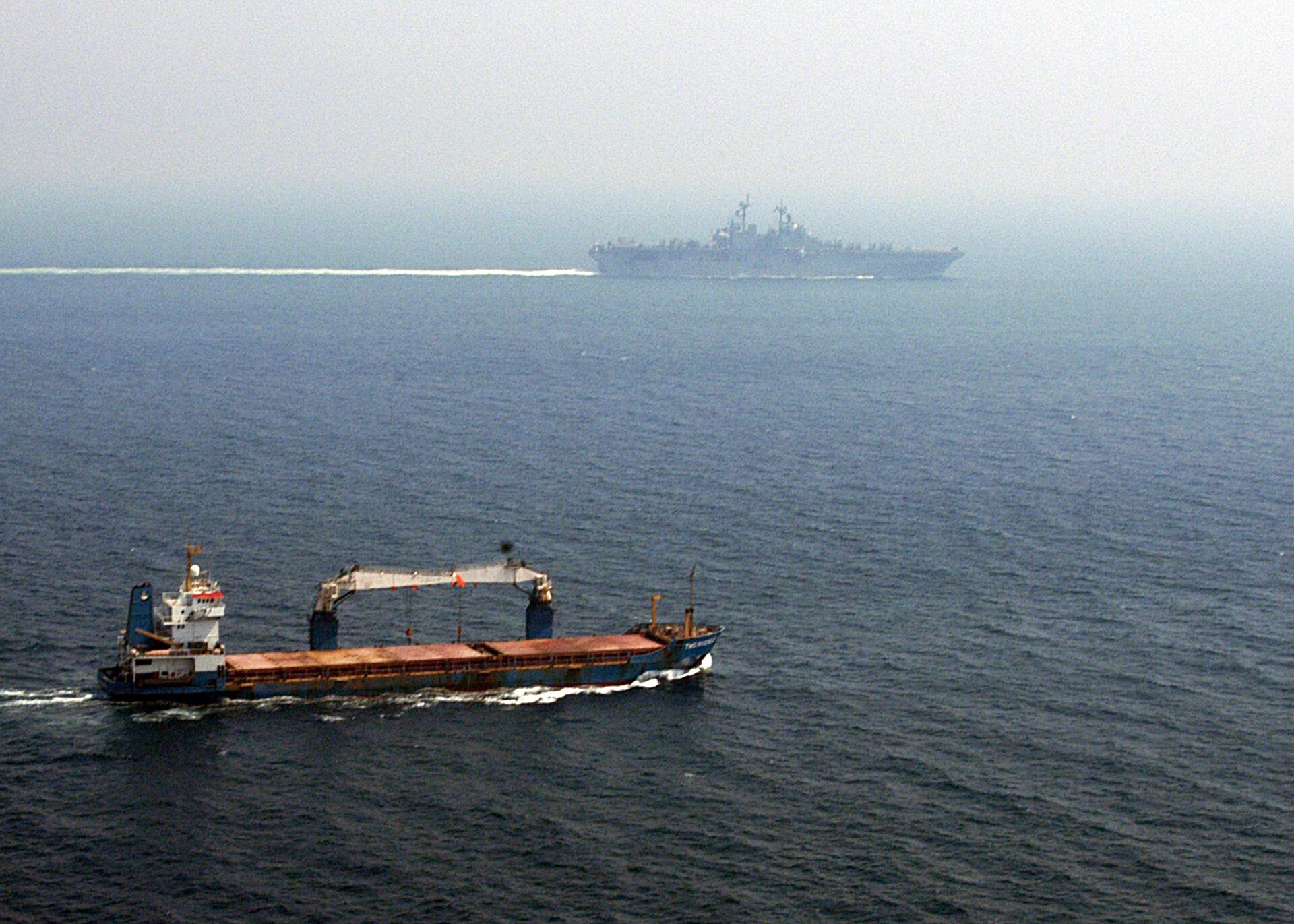
The surcharge comes as vessel traffic through the Strait of Hormuz remains under pressure. Reuters reported that only seven commodity vessels crossed the corridor on October 6, the lowest daily count since July 23, after the most intense week of tanker attacks since the Iran war began.
Crude flows through Hormuz fell to about 10.1 million barrels per day, roughly 74 percent of pre-war volumes, according to the shipping data cited by Reuters. Alternative export routes have offset part of the loss, but repeated attacks keep insurance, crewing, routing and fuel risks elevated.
Fuel pressure reaches beyond the oil market
Higher energy prices first affect carriers through bunker fuel and inland transport costs, but the effect can move along supply chains when surcharges are passed to exporters, importers and retailers. That makes a shipping-company notice relevant to inflation and trade even when it initially covers a specific service market.
The latest increase also arrives while Hurricane Isaias has forced shutdowns in the US Gulf of Mexico. The overlap between Middle East security risk and weather-related production losses has pushed oil higher and made transport pricing more difficult to predict.
The 20% figure should not be read as a global freight increase
Maersk's notice does not say that every ocean container rate worldwide will rise by 20 percent. It concerns the emergency fuel component for the collection and delivery services described in the advisory, and other routes or products can carry different charges.
The broader signal is that geopolitical disruption is again moving from shipping lanes into customer invoices. Further changes will depend on fuel prices, vessel security and how quickly normal traffic through Hormuz can recover.
Sources
3 references
- Reuters / DevdiscourseShipping group Maersk raises emergency fuel surcharge due to Middle East conflictAccessible republication of the Reuters report; not separate corroboration · 2026-10-08
- ReutersShipping group Maersk raises emergency fuel surcharge due to Middle East conflictIndependent reporting · 2026-10-08
- ReutersHormuz transits at lowest in over two months after attacks, data showsIndependent shipping and energy reporting · 2026-10-08


