This article synthesizes published sources listed below. Consult those sources for their evidence and scope.
The observations behind the new assessment
New Zealand’s October 7 climate assessment reports a 1.36°C increase in annual average temperature since measurements began in 1909. Seven of its ten warmest years occurred in 2016–2025.
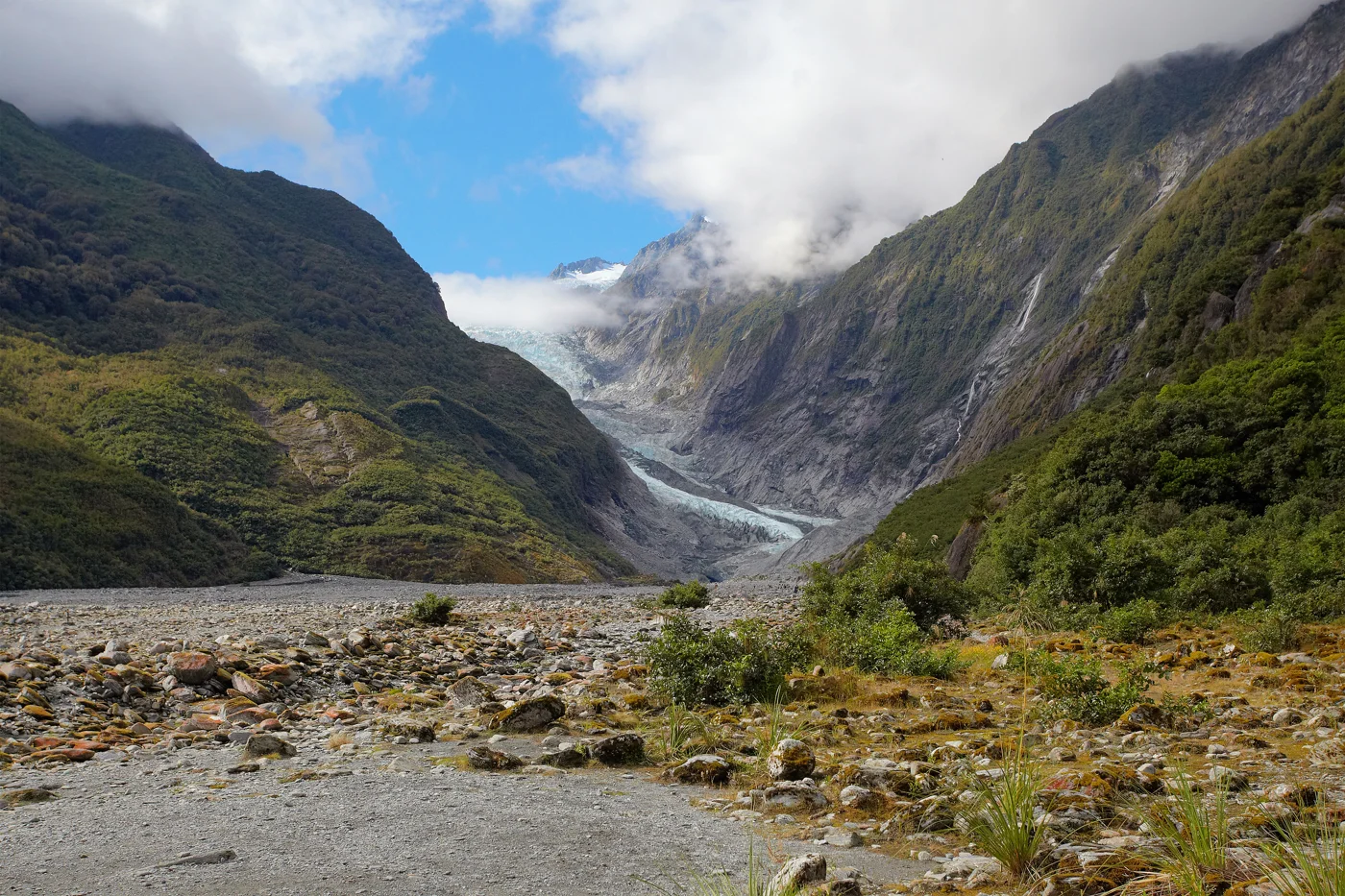
Our Atmosphere and Climate 2026, produced by Stats NZ and the Ministry for Cities, Environment, Regions and Transport, also reports glacier ice volume falling from 56 cubic kilometres in 1997 to 30 in 2023. These are historical observations, not measurements of ice lost this week.
Future glacier losses are conditional
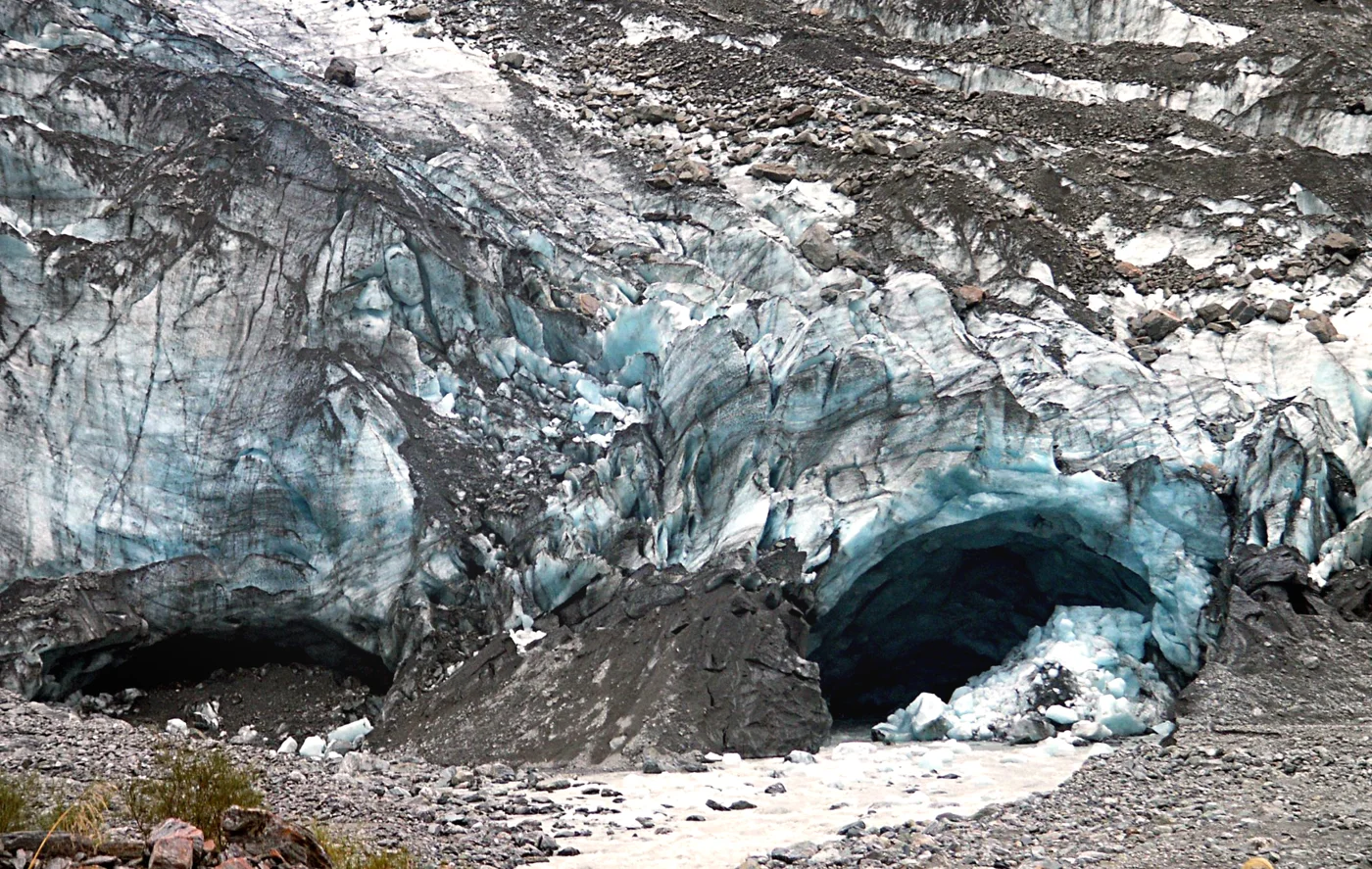
The assessment gives modelled glacier-volume losses by 2100 of 14–86% under its low climate scenario and 69–100% under its high scenario, relative to 2015. Those ranges describe possible futures; they are not a prediction that every glacier will disappear.
The Guardian independently reported the assessment’s release and interviewed the ministry’s chief science adviser.
Planning beyond a single temperature reading
The report links warming to risks for communities, infrastructure and ecosystems. It separates observations from outlooks and explicitly acknowledges uncertainty.
That distinction matters for readers comparing climate headlines. A temperature trend, an older glacier survey and a future scenario answer different questions. None should be presented as an immediate disaster forecast.
The international relevance lies in that planning challenge: long-lived infrastructure must account for changing conditions even when their exact future severity remains uncertain.
Sources
3 references
- New Zealand environmental reporting programme / Stats NZOur Atmosphere and Climate 2026Primary scientific assessment · 2026-10-07
- The GuardianNew Zealand greenhouse gas levels hit record highs threatening glacier meltsIndependent reporting · 2026-10-07
- Stats NZRelease calendar: atmosphere and climate reportPrimary release timing · 2026-10-07


