This article synthesizes published sources listed below. Consult those sources for their evidence and scope.
Fuel pressures could spread into wages and expectations
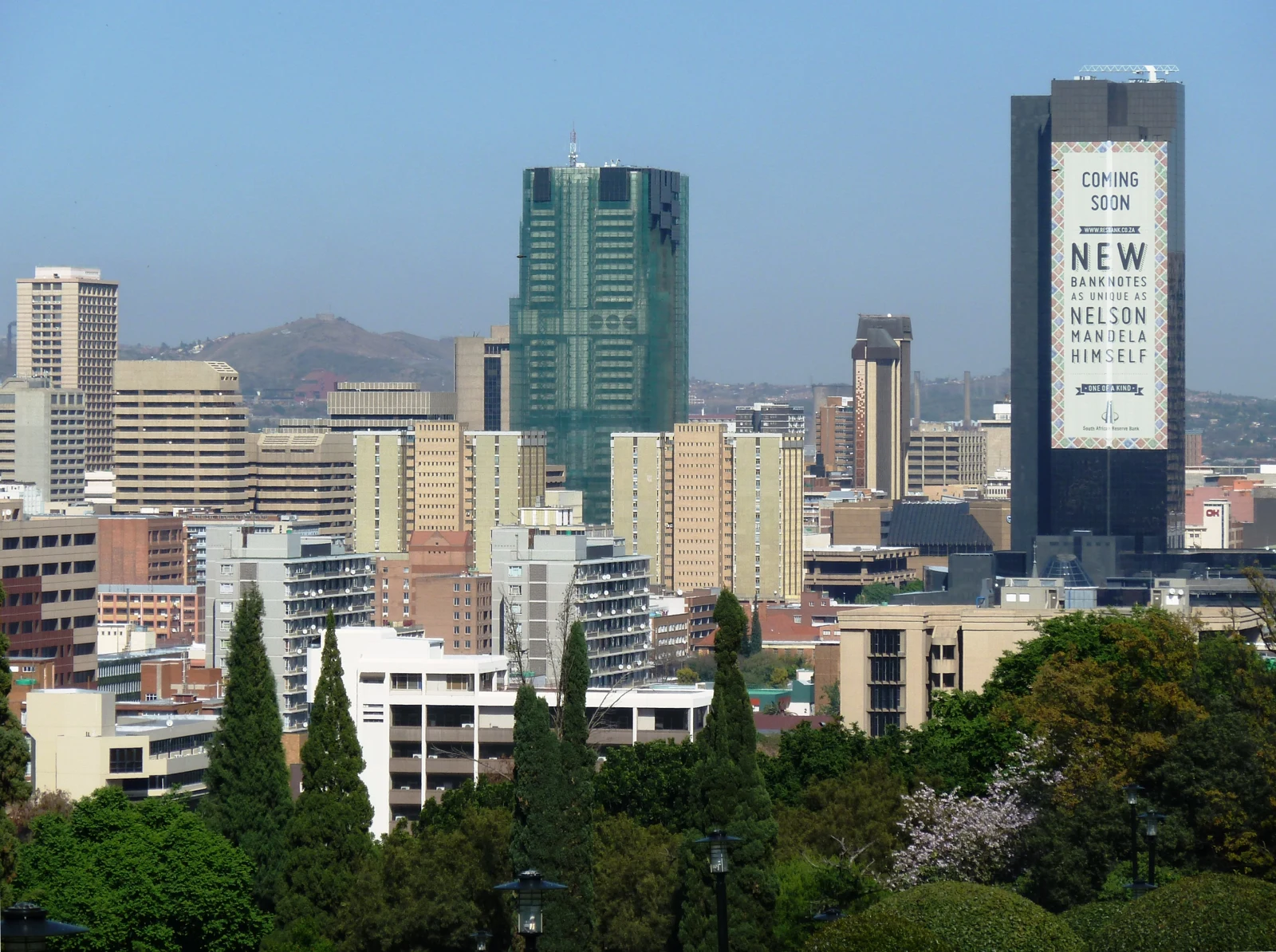
South Africa’s central bank warned on October 6 that prolonged oil-price pressures risk turning an initial supply shock into more persistent inflation. Its latest Monetary Policy Review says fuel, regulated-price and food shocks could become embedded in wage demands and expectations about future prices.
Reuters independently reported the warning, noting South Africa’s exposure as a net fuel importer. The bank’s assessment also identifies potential El Niño effects and fertiliser constraints as risks to food prices. These are risks in the outlook, not confirmation that every potential shock will occur.
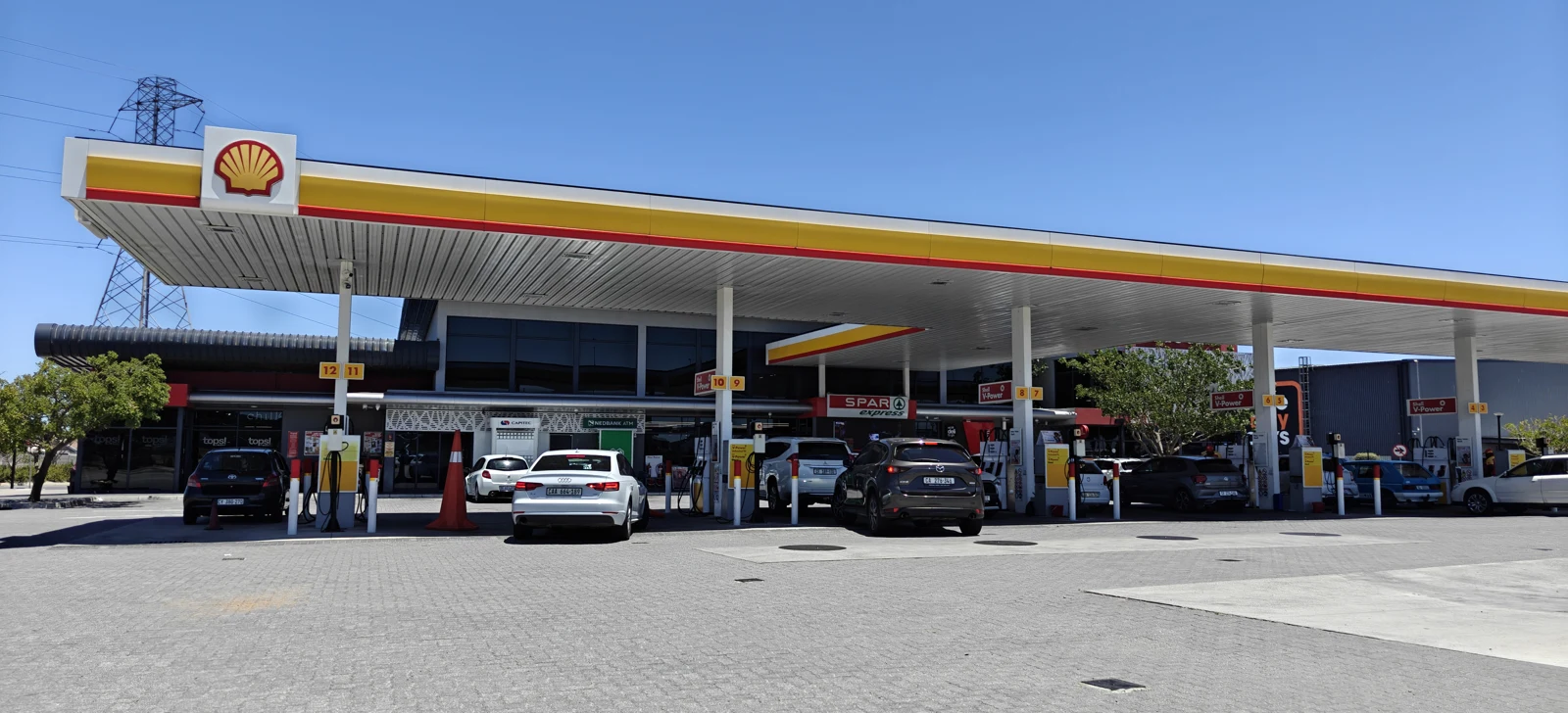
The concern is broader than a temporary increase at the petrol pump: repeated cost increases can influence prices across the economy. The review describes an energy disruption that has become more visible in underlying inflation.
A slow return to target, alongside weaker growth
The Reserve Bank projects inflation above 5% until the second quarter of 2027, with a return to target from the fourth quarter. Regional outlet Fullview also reported the late-2027 outlook for the bank’s 3% target. Forecasts remain conditional on how prices, weather and economic activity develop.
The review puts expected 2026 growth at 1.2%, down from 1.4% in its April assessment. It records cumulative policy-rate increases of 50 basis points over the April–October review period, taking the rate to 7.25%. This publication is a review of policy and risks, not a new rate-setting decision.
An international energy shock becomes a domestic policy challenge
The warning illustrates how conflict-related energy disruption can extend beyond oil markets into borrowing conditions and household purchasing power. It also highlights a difficult policy trade-off: restraining persistent price pressures while the growth outlook weakens.
The review does not establish that another rate increase is inevitable. The scale and duration of the shocks, and whether they feed into wider price-setting, remain central to the policy outlook.
Sources
3 references
- South African Reserve BankMonetary Policy Review – October 2026Primary source · 2026-10-06
- ReutersSouth Africa central bank says second-round inflation risks riseIndependent reporting · 2026-10-06
- FullviewReserve Bank expects inflation to fall back to its 3% target in 2027Regional reporting · 2026-10-06


