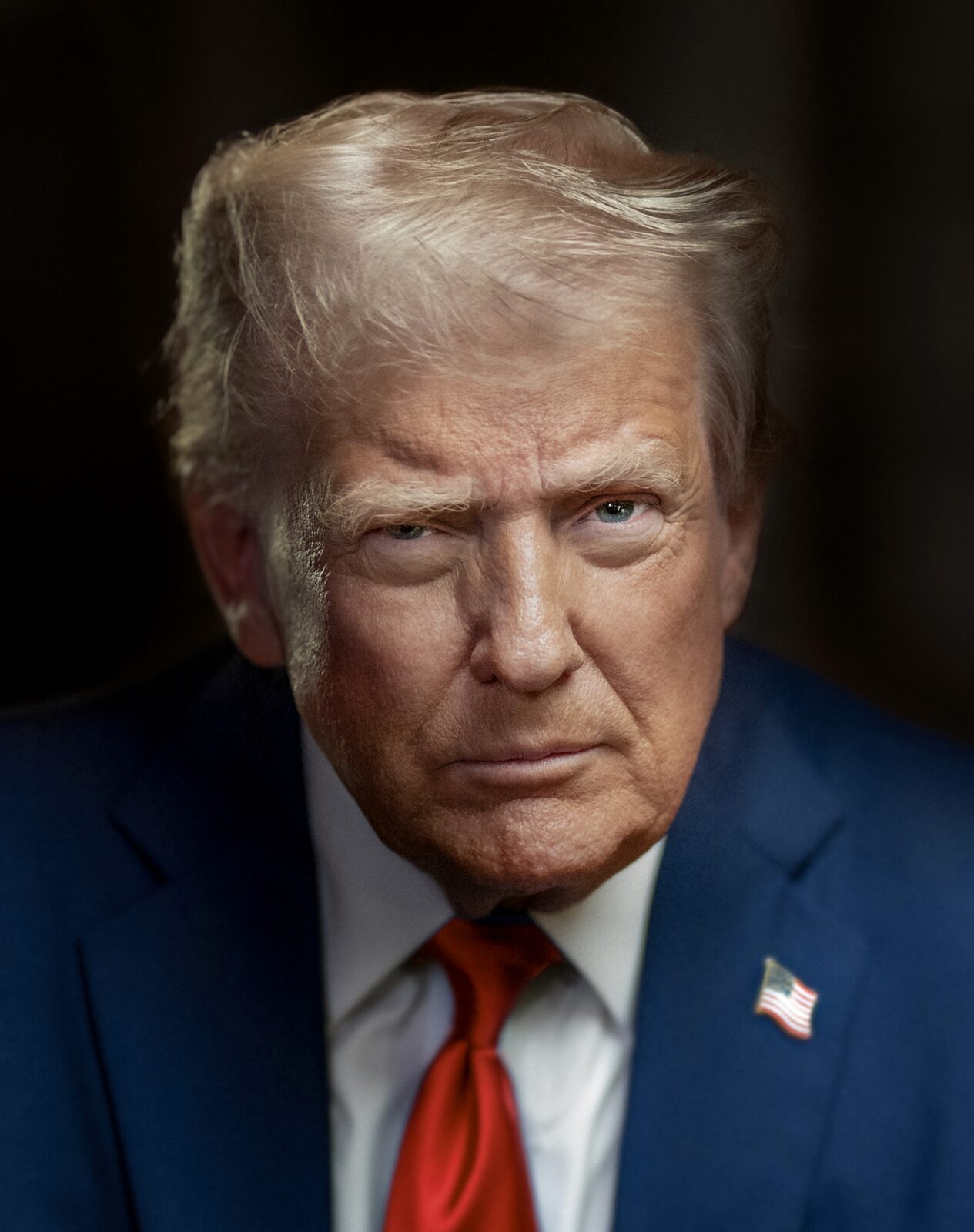
Compared sections 2–4 of the October 16 White House order with Reuters reporting. The distinction between waived new measures and preserved earlier sanctions comes from section 4(b); no claim is made that every Russia-related restriction has ended.
New penalties are put on hold
President Donald Trump waived new Russia-related sanctions and tariffs on October 16, preventing major provisions of a law he signed in September from taking effect. The decision includes duties aimed at countries buying Russian oil and gas.
The White House order cites the national interest and says the waivers will continue until the president or designated senior officials decide further action is appropriate. It gives no fixed expiry date.
The distinction in the order
The document describes steep tariff increases, then waives their application in a separate section. Reading the tariff provisions alone would therefore give the wrong impression of what importers now face.
Section 4(b) also expressly preserves sanctions imposed under earlier executive orders covered by its carve-out. The new waiver consequently does not amount to a blanket removal of existing Russia restrictions. That distinction matters to businesses assessing whether a particular transaction remains prohibited.
The law was signed on September 18. Its tariff provisions included measures directed at major buyers of Russian energy, with an October 18 purchase threshold specified in the order.
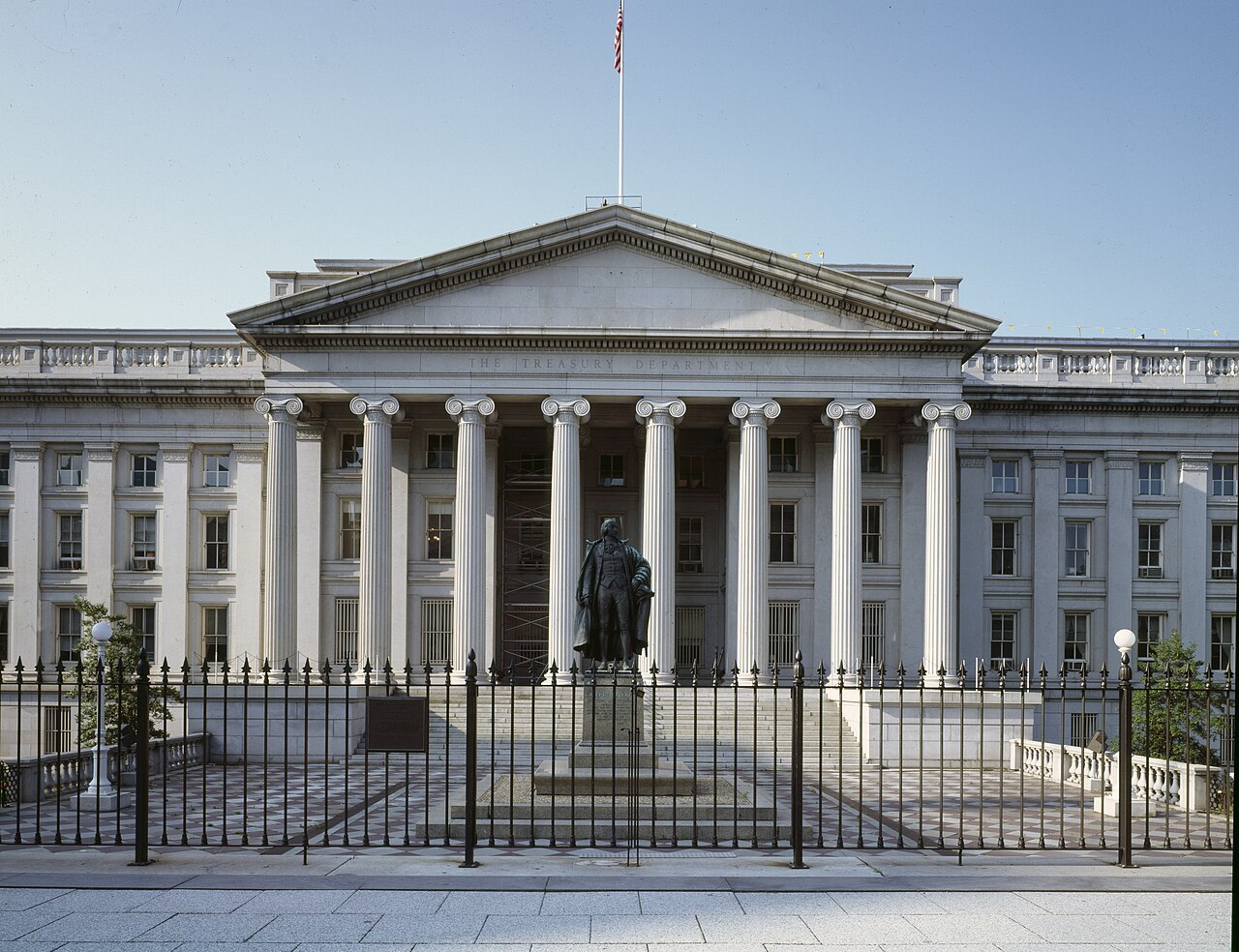
A dispute over pressure on Moscow
Reuters reported that Representative Don Beyer, a Virginia Democrat, criticized the waiver as undermining Ukraine and Congress’s effort to punish Russia over the war. The decision follows a separate controversy over a US-Russia diesel arrangement.
For trading partners, the immediate question is which new penalties have been suspended and which older restrictions still apply. The order answers that through its specific waiver clauses; its title alone does not establish the legal status of an individual transaction.
Sources
2 references
- The White HouseImplementing the Lindsey O. Graham Sanctioning Russia and Iran Act of 2026Primary executive order: waiver scope, duration and preservation of earlier sanctions · 2026-10-16
- ReutersTrump waives key Russia-related sanctions, tariffs before they take effect under new lawIndependent reporting on the decision and congressional reaction · 2026-10-17 UTC


