
This article synthesizes published sources listed below. Consult those sources for their evidence and scope.
Seventeen vessels and their operators were designated
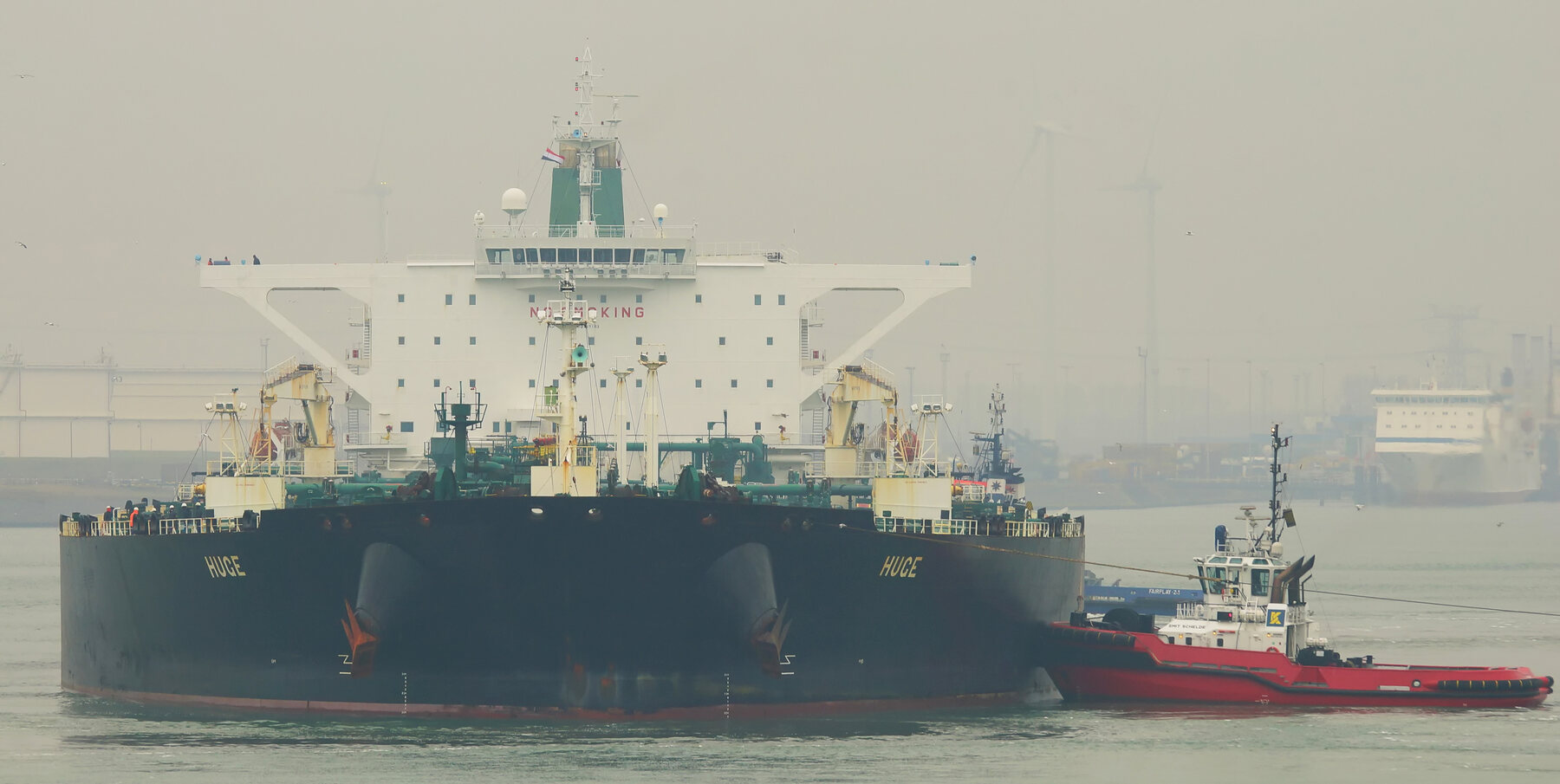
The United States sanctioned 17 tankers and a network of companies it says carried Iranian crude oil, petroleum products and petrochemicals to overseas markets. The Treasury Department described the action as an effort to dismantle the remaining maritime infrastructure used to evade restrictions on Iran's petroleum sector.
The ships are registered across more than a dozen jurisdictions and include the Paritosh, Bitu, Starway, Gas Lucky, G Spring, Kanha, King Chain and Polar. Treasury said the cargoes reached buyers in South and East Asia, the Middle East, India and Pakistan. Reuters and the Associated Press independently confirmed the new designations.
The measures reach beyond Iranian waters
The designations target both vessels and the corporate structures behind them. Treasury identified owners or operators registered in the Marshall Islands, China, Hong Kong and the United Kingdom, illustrating how sanctions-evasion networks use multiple flags and front companies to obscure ownership and cargo origins.
Property belonging to designated parties that is in the United States or controlled by US persons must be blocked and reported to the Office of Foreign Assets Control. Companies owned at least 50 percent by blocked persons are also covered, while non-US businesses can face exposure if they facilitate prohibited transactions.
Washington is pairing financial pressure with a blockade
The sanctions are part of Operation Economic Outcast, the Trump administration's campaign to restrict revenue that it says supports Iran's war effort, missile programme, cyber operations and the Islamic Revolutionary Guard Corps. The action comes alongside a US blockade of Iranian ports that was restored in July after a proposed agreement between Washington and Tehran broke down.
A Treasury official told Reuters that Iran had about 20 million barrels of crude left aboard vessels beyond the blockade line near Singapore, Malaysia and China. The official also said loading and unloading had stopped. Those assertions describe the US government's assessment and have not been independently verified through public shipping data in the announcement.
Enforcement may matter more than the size of the list
Treasury said the package would neutralize most of Iran's remaining shadow-fleet network, but an analyst quoted by Reuters argued that the immediate impact could be limited because much of the oil previously held at sea had already been delivered. The difference highlights the gap between placing ships on a sanctions list and stopping cargo movements in practice.
The new restrictions nevertheless raise legal, insurance and payment risks for shipowners, ports, traders and banks dealing with the targeted vessels. Those pressures arrive as attacks and threats in the Strait of Hormuz have already reduced traffic and increased volatility in oil and freight markets.
Sources
4 references
- U.S. Department of the TreasuryOperation Economic Outcast neutralizes Iranian regime's remaining shadow fleet networkPrimary sanctions announcement, vessel list and legal implications · 2026-10-08
- ReutersUS imposes fresh sanctions on Iran's shadow fleetIndependent reporting and assessment of the likely market impact · 2026-10-08
- Associated PressUS targets remaining vessels allegedly linked to Iran's shadow fleetIndependent confirmation and regional context · 2026-10-08
- ReutersAttack risks rise for tankers as Iran vows to block more Hormuz routesIndependent reporting on shipping risks and the Strait of Hormuz · 2026-10-08


