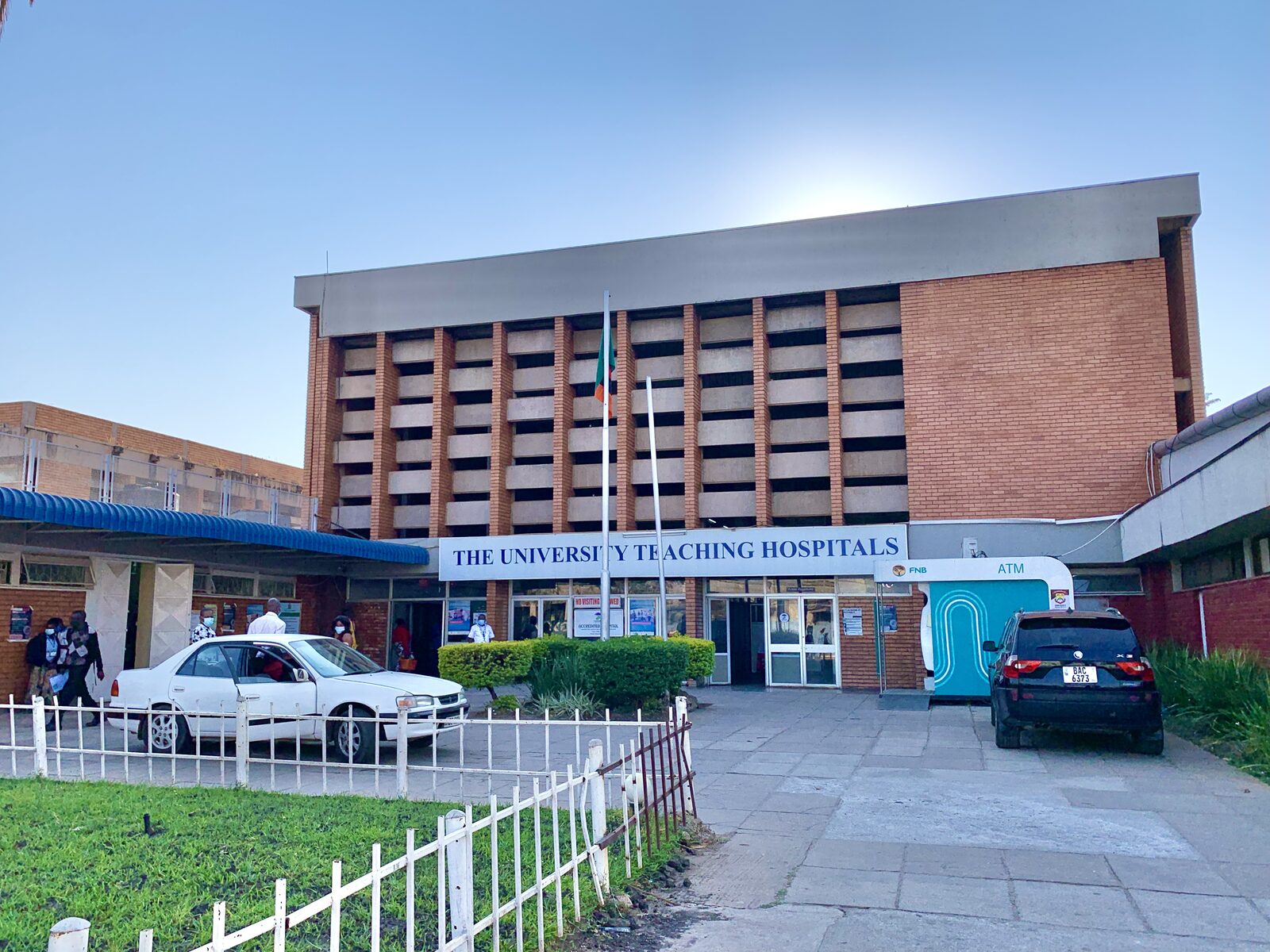
This article synthesizes published sources listed below. Consult those sources for their evidence and scope.
A five-year financing agreement is now signed
Zambia and the United States have signed a five-year health cooperation package valued at $2.49 billion. The United States plans to provide $1.52 billion while Zambia has committed $975 million in additional domestic health spending, according to the Zambian foreign ministry and independent reporting by the Associated Press.
The agreement is intended to strengthen disease prevention, health-system capacity and the workforce. The Associated Press reported that the financing is expected to support the recruitment of about 40,000 health workers over the five-year period.
The dispute over patient data delayed the pact
Negotiations had been held up by Zambian concerns about proposed access to biological specimens and patient information. The Associated Press reported that the contested provisions were removed from the final pact, while Zambia's foreign ministry said the countries signed a separate Data Sharing Agreement alongside the health memorandum.
The two accounts indicate that the parties settled on a narrower, agreed framework for exchanging information rather than the broader terms that drew objections. Health Minister Elijah Muchima said the agreement would not compromise Zambia's security or sovereignty.
Health funding and critical minerals were separated
Foreign Minister Mulambo Haimbe said the health agreement had been decoupled from a separate strategic partnership on critical minerals, according to Reuters. Negotiations on minerals are continuing, and the terms of any eventual arrangement have not been disclosed.
The distinction matters because Zambia is Sub-Saharan Africa's second-largest copper producer after the Democratic Republic of Congo. Washington and other governments are seeking more secure mineral supply chains, but the signed health pact does not itself settle access to Zambia's copper or other resources.
Implementation will determine the public-health impact
The United States and Zambia have worked together on health programmes for more than five decades. The new pact provides a multi-year financing framework rather than an immediate transfer of the entire announced amount.
Its effect will depend on annual disbursements, Zambia's delivery of the promised domestic spending, recruitment and retention of health workers, and enforcement of the safeguards governing data exchange. Those implementation details will determine how much of the headline commitment reaches clinics and patients.
Sources
3 references
- Zambia Ministry of Foreign Affairs and International CooperationZambia and the United States sign health cooperation agreementsPrimary government statement and agreement figures · 2026-10-08
- Associated PressUS and Zambia sign a $2.49 billion health deal after resolving a dispute over patient dataIndependent reporting on funding, staffing and data provisions · 2026-10-08
- ReutersZambia, US sign $2.5 billion health deal, separate it from minerals talksIndependent reporting on the separate critical-minerals negotiation · 2026-10-08


