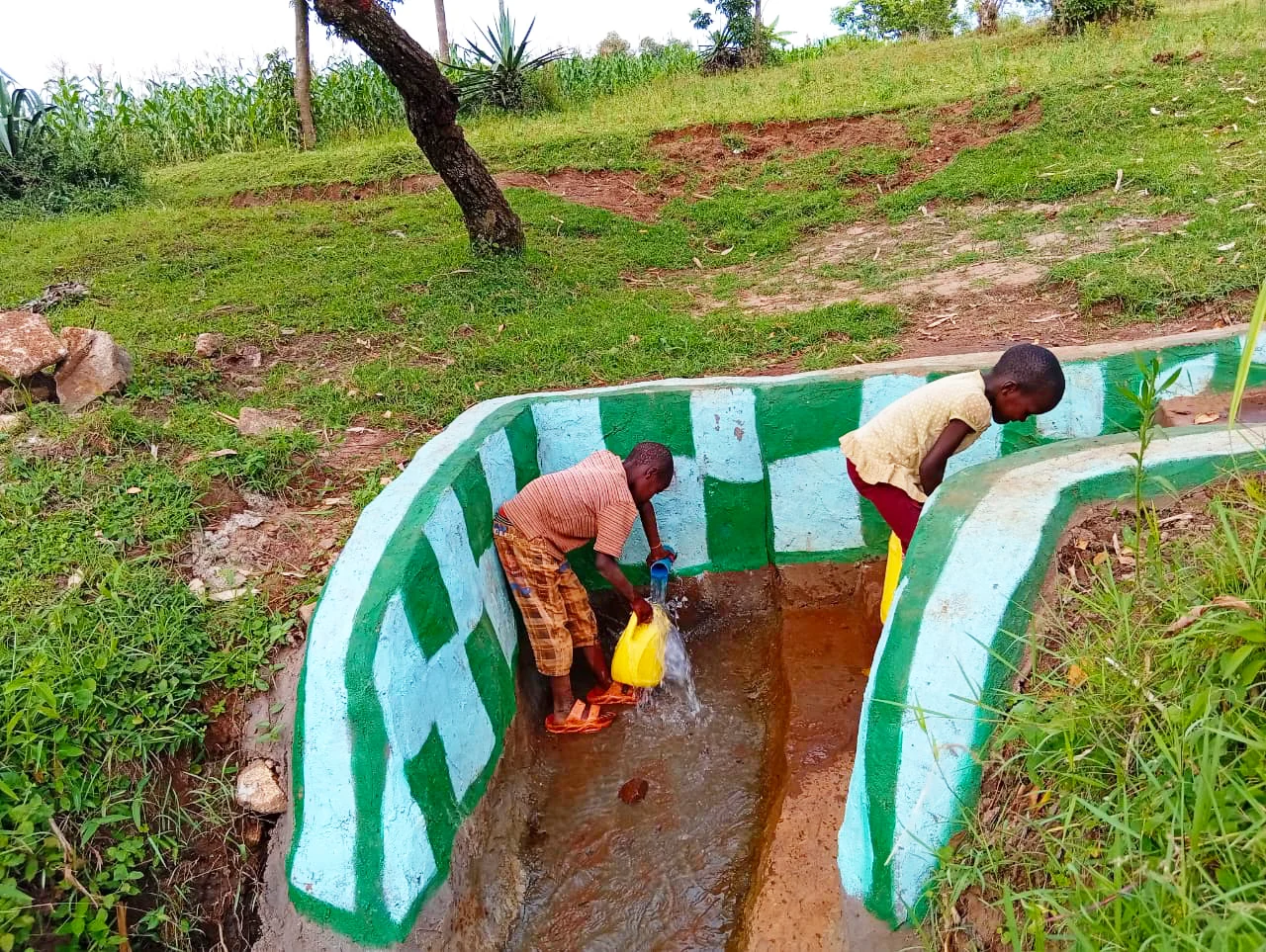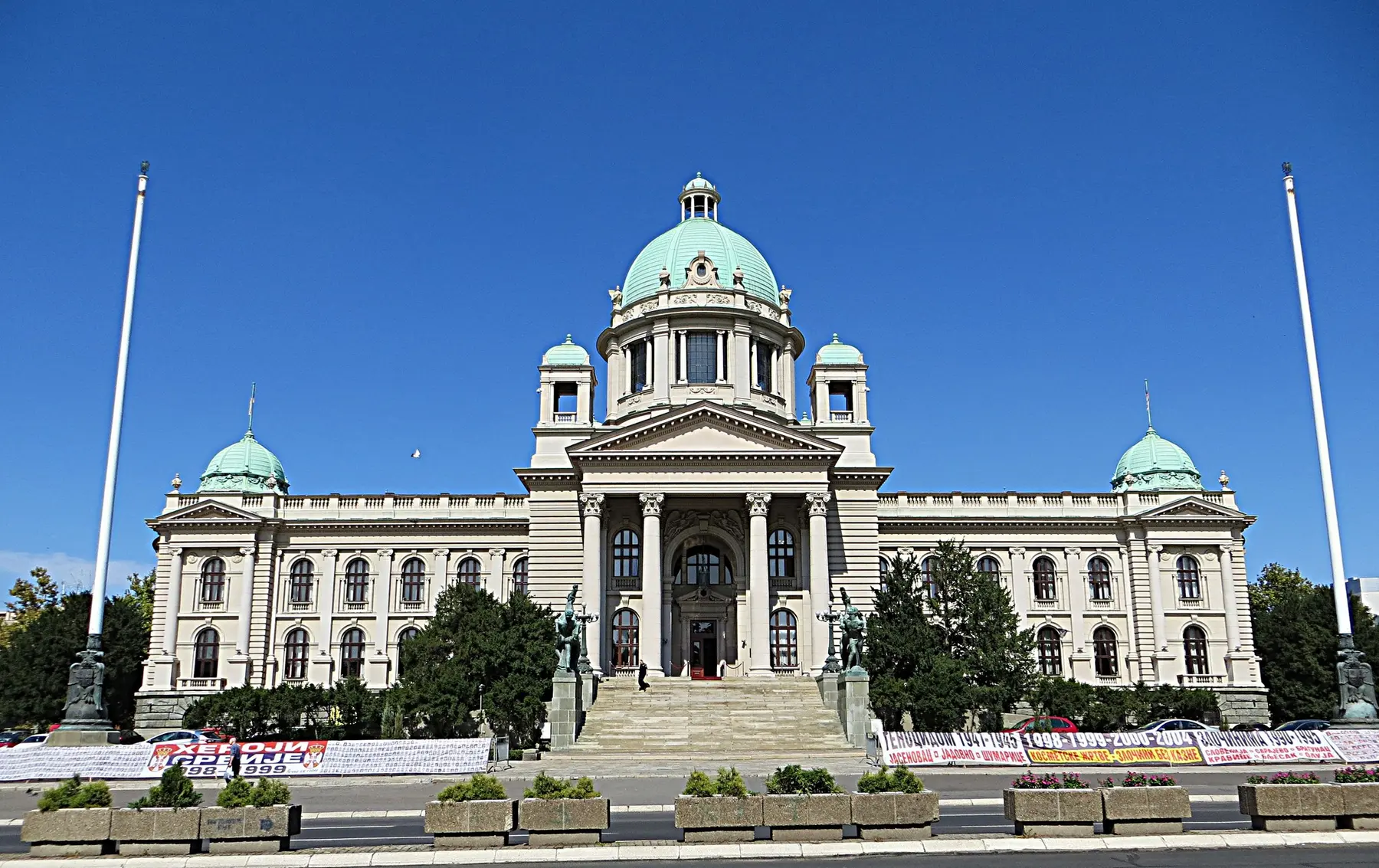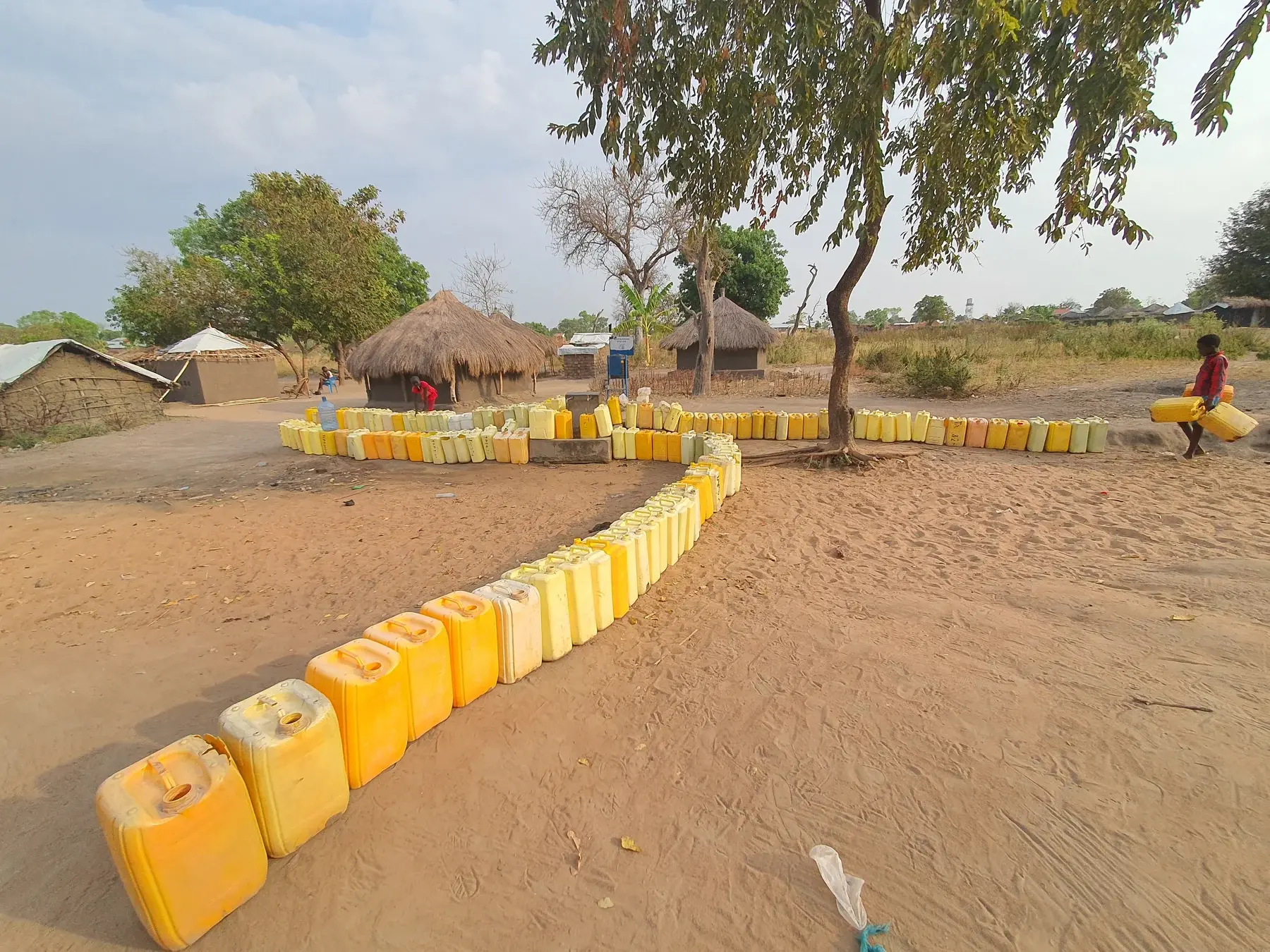
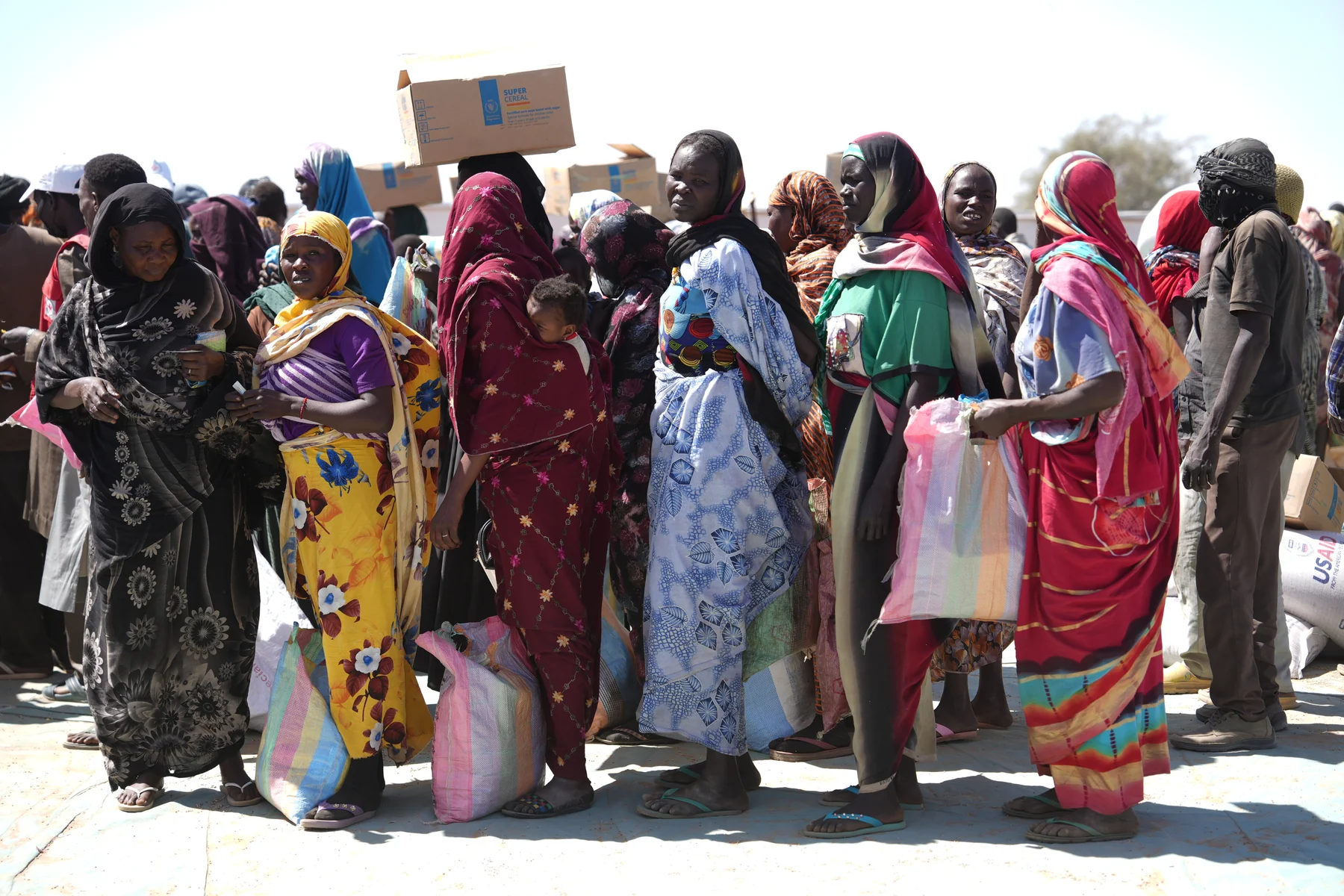
The Nov. 6 UNHCR briefing is the primary source for its global estimate, return-risk analysis and climate-finance allocation figure; Reuters independently reported the same release and its cited examples. Nearly 90 million describes forcibly displaced people living in countries classified as highly exposed to climate hazards; it is not a count of people displaced by climate change, nor proof that climate caused their original flight. The two-thirds figure concerns refugee returns in the first half of 2026, not all displaced people or all movements. Country-level exposure categories do not establish each person’s individual hazard or a specific causal link. UNHCR is an interested humanitarian agency advocating for financing; the figures here are attributed to its analysis rather than presented as an independent audit. A bounded actual-event image search found Reuters/Getty editorial photos under paid licensing; UNHCR states that its website photos require prior permission unless otherwise noted, so no such handout was reused. The lead is a dated context photograph of water containers at a South Sudan refugee camp by Eja Thomas Festo (Feb. 17, 2021, CC BY-SA 4.0). The horizontal inline image is an FCDO/Russell Watkins photograph of Sudanese refugees registering for food aid at Adre, Chad (Jan. 24, 2025, CC BY 2.0). Neither image depicts the people cited in the 2026 report or the COP31 meeting. Both originals are retained in public/newsroom/source-originals/unhcr-climate-displacement-cop31-20261106. The South Sudan JPEG was resized proportionally from 4,608 × 3,456 to 1,800 × 1,350 and converted to WebP at quality 86; the Chad JPEG was resized proportionally from 4,608 × 3,072 to 1,800 × 1,200 and converted to WebP at quality 86. Metadata was removed; neither image was cropped or retouched. The lead derivative is shared under CC BY-SA 4.0 and the inline derivative under CC BY 2.0. Both assets were decoded and visually inspected.
Returns can restart displacement
More than two-thirds of refugee returns in the first half of 2026 were to countries highly exposed to climate hazards, the UN refugee agency said in a Nov. 6 briefing. The figure does not mean those returns were caused by climate change. It signals that people returning after flight may find the conditions needed to rebuild are still vulnerable to heat, drought or floods.
UNHCR cited Syria, where it says nearly four million displaced people have recently returned. Flooding along the Euphrates in May damaged homes and displaced thousands again, while water scarcity and erratic rainfall continue to complicate recovery. The examples are the agency’s assessment, not an independent count of climate-caused displacement.
A climate-risk map, not 90 million climate migrants
Nearly 90 million forcibly displaced people live in countries with severe exposure to climate-related hazards such as drought, floods and extreme heat, according to UNHCR. The agency describes this as nearly three-quarters of the world’s forcibly displaced population. The estimate measures where people are living relative to country-level hazards; it does not say that climate change forced all of them to leave home.
The briefing describes a Sudanese woman who fled fighting in El-Fasher in June 2023 and later lived in the Farchana settlement in eastern Chad. She told the agency that she can sometimes go a week without finding safe water, as seasonal riverbeds dry in intensifying heat. One account illustrates the pressures the report describes but cannot represent every displaced household.
Funding remains scarce in fragile settings
UNHCR says only about 10% of climate finance reaches fragile or conflict-affected countries. It is urging governments to include refugees and other displaced people in national climate plans and financing mechanisms, arguing that aid and adaptation efforts need to reach communities facing both conflict and environmental stress.
The appeal will be made ahead of COP31, the UN climate conference scheduled in Antalya, Türkiye, from Nov. 9 to 20. The agency’s figures frame the challenge for negotiators: climate exposure can undermine a return or a place of refuge, while the money intended to prepare for those risks rarely reaches the most fragile settings.
Sources
3 references
- UNHCRAhead of COP31, UNHCR warns nearly 90 million displaced people face severe climate risksPrimary release for the agency’s nearly 90 million estimate, return-risk findings, Chad and Syria examples, climate-finance figure and policy appeal. · 2026-11-06
- Reuters90 million displaced people at risk from climate threats, UN refugee agency saysIndependent reporting on the UNHCR release and its findings about refugee returns, climate exposure and finance. · 2026-11-05
- UNFCCCUN Climate Change Conference - Antalya, November 2026Primary schedule for COP31 in Antalya, Türkiye, Nov. 9–20, 2026. · Undated; checked 2026-11-06