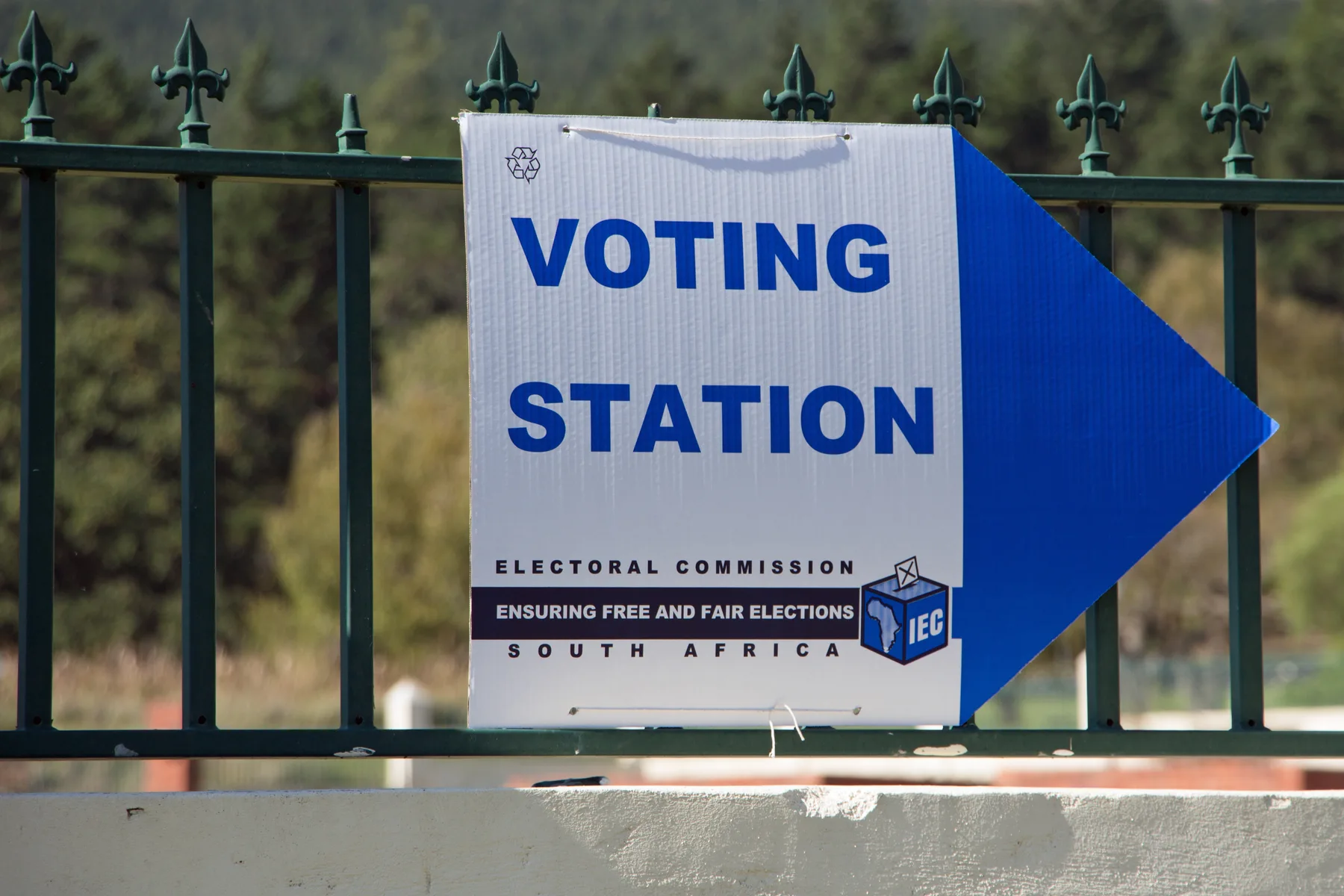
The figures in this article are a time-stamped provisional snapshot, not certified results. At 10:58 SAST on Nov. 6, the IEC-data dashboard reported 18,651 of 23,696 voting districts (78.7%) and separately labeled the party percentages as the ward ballot; voters also cast proportional-representation and, where applicable, district-council ballots. The IEC results portal is the underlying primary source, but it returned an access error during this check, so the exact later snapshot is attributed to a public dashboard that identifies the IEC as its data source. Reuters independently reported an earlier count snapshot, at about 71%, and its figures are identified as earlier. The IEC’s Nov. 5 statement supports the description of station-level counting, capture and audit procedures. Results can change as outstanding returns are processed; municipal control cannot be inferred from one national ballot percentage. A bounded actual-event photo search found agency images under editorial licensing without a confirmed reuse grant. The two distinct, rights-checked Commons images below are archive context only and show a polling place in Stellenbosch in 2014, not the 2026 count. Both originals are retained in public/newsroom/source-originals; the display versions were proportionally resized and converted to WebP at quality 83 without cropping or content retouching. The images retain CC BY-SA 3.0 attribution and share-alike terms.
The ANC trails the DA on the ward ballot
South Africa’s governing African National Congress had 31.8% of the ward-ballot vote in a provisional results snapshot that covered 78.7% of voting districts, while the Democratic Alliance had 24.2%, according to figures shown at 10:58 a.m. local time on Nov. 6 by a dashboard that identifies the Electoral Commission of South Africa (IEC) as its source. The uMkhonto weSizwe Party was on 9.2%.
The dashboard listed 18,651 of 23,696 voting districts as reported. These are partial returns, not certified national results. Reuters reported an earlier snapshot, when about 71% of districts had been counted, and also put the ANC at roughly 32% and the DA at about 25%; the two reports describe different points in a continuing count.
The 31.8% figure refers specifically to the ward ballot, not a combined national vote across every ballot cast. Municipal voters also choose proportional-representation councillors, and some vote in district-council contests. The different ballots serve different purposes in determining council membership.
Local council control is decided municipality by municipality
South Africa’s municipal election does not produce one national government from a single countrywide result. Councillors are elected in local contests, and a party needs enough seats in a particular council to govern alone. If no party wins a majority there, council leadership depends on negotiations among parties after the count is complete.
Reuters said the early returns pointed to a likely DA majority in Cape Town and no outright majority for a single party in Johannesburg and Tshwane. Those were projections based on a partial count, not final council declarations. The nationwide ward-ballot percentages above cannot settle control in any city by themselves.
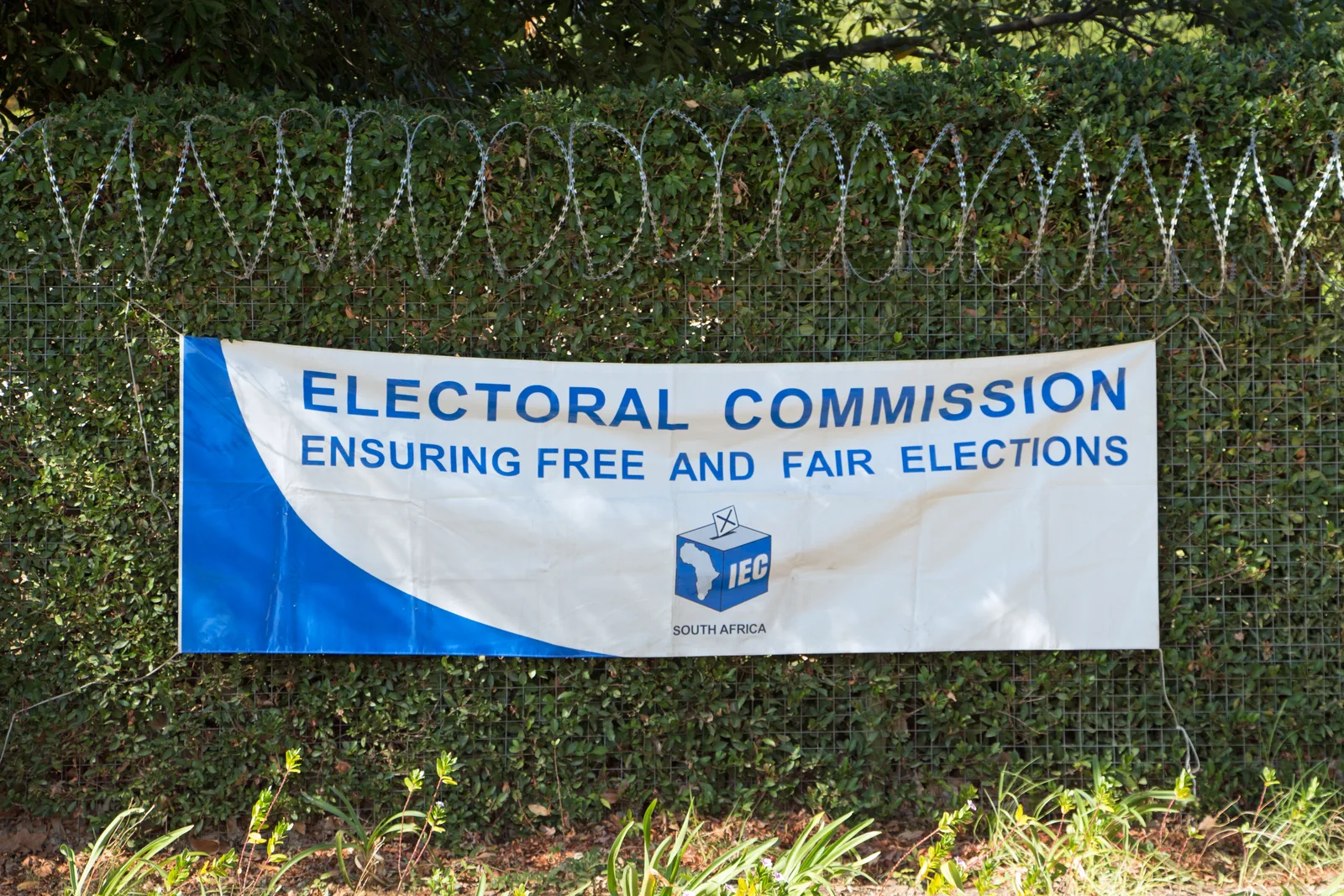
The IEC counts and checks station-level returns
The IEC says votes are counted at polling stations in the presence of party agents and observers. In a Nov. 5 statement, the Commission described scanning results slips, capturing the figures independently twice, comparing entries and auditing records to detect anomalies. The statement gave progress figures from 9 a.m. that day; it is a separate, earlier process update, not the source for the Nov. 6 party shares.
The remaining districts matter. Until the IEC finishes checks and declares results, the dashboard can change, and coalition talks or council control remain unsettled in places where no party has secured a clear majority.
Sources
4 references
- Electoral Commission of South AfricaOfficial Local Government Elections Results PortalPrimary results portal for the 2026 municipal elections. It was inaccessible during this check; the quoted 10:58 SAST snapshot is transcribed from a dashboard identifying this portal as its official source. · 2026-11-06
- SePushSouth Africa Local Elections 2026: results dashboardTime-stamped dashboard identifying the IEC results portal as its source; at 10:58 SAST it showed 18,651 of 23,696 voting districts reported and party shares for the ward ballot. A secondary display of official data, not the primary results system. · 2026-11-06
- ReutersSouth Africa’s ANC on track for big drop in voter support in municipal voteIndependent reporting on an earlier, approximately 71%-counted snapshot and the national political context. Its figures are earlier than the dashboard snapshot cited above. · 2026-11-06
- South African Government / Electoral CommissionCounting and tallying of results for LGE 2026Primary IEC statement explaining station-level counting, results-slip scanning and capture, double-blind capture and audit checks; its 09:00 Nov. 5 progress figures predate the later dashboard snapshot. · 2026-11-05