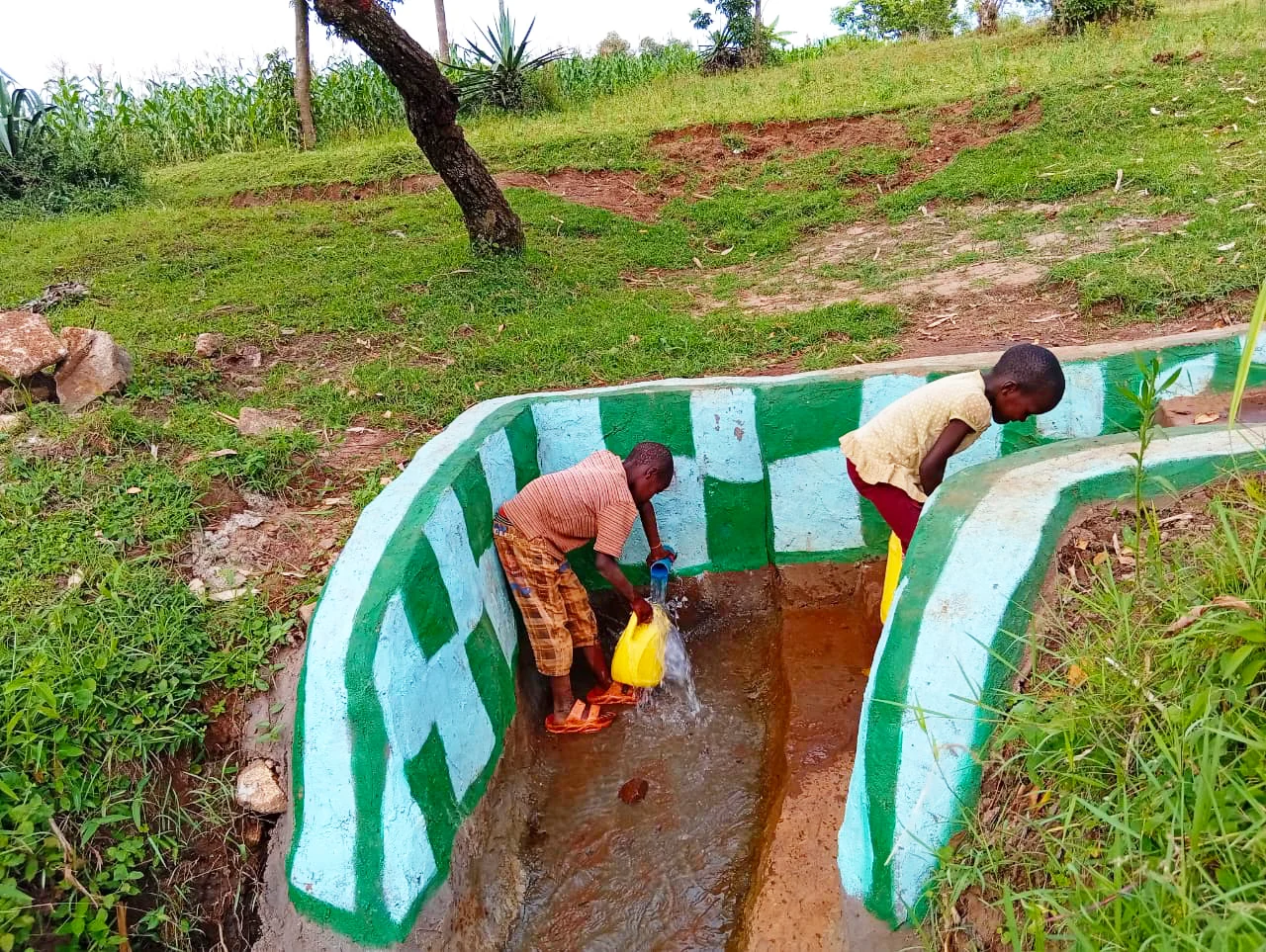
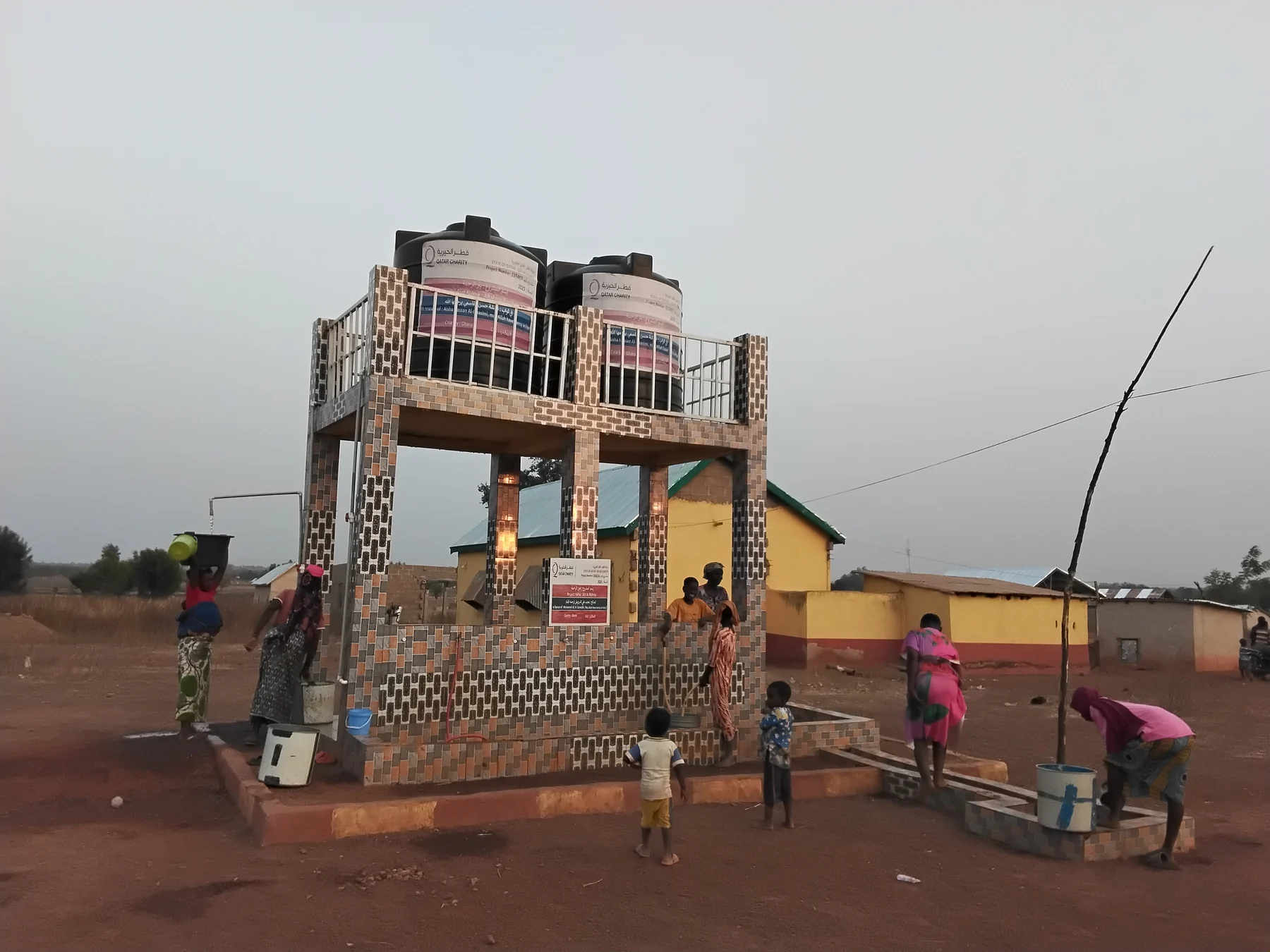
UNICEF’s Nov. 5 release and the public summary for Water Under Fire, Volume 4, describe a review of documented harm to water, sanitation and hygiene (WASH) systems, workers and users in 23 countries and territories from January 2021 to June 2026. UN News’ Nov. 5 account gives the comparison behind the threefold increase: fewer than 45 incidents in eight countries in 2021 and more than 135 in 15 countries in 2025. The report’s 16 MB PDF exceeded the web reader’s retrieval limit during this check, so its tables and case files could not be audited directly; the endpoint counts are attributed to the report and cross-checked against UN News. UNICEF says no coordinated global monitoring system exists, so the figures represent documented reports rather than a complete count. The wider country coverage in 2025 also means the data alone cannot establish why reported incidents rose or compare rates of attack. Country examples and humanitarian funding figures below are UNICEF-reported, not independently audited in this article. A bounded search of UNICEF’s official photo gallery for this release returned no items, and the release’s images did not provide a third-party reuse grant. The two images are licensed archive/context photographs, not conflict incidents or places in UNICEF’s report. Lead: children collecting water from a rehabilitated natural water point in Kuria-Migori County, Kenya, photographed June 2, 2026 by Queen Asali. Original 1,280 × 963 JPEG retained at public/newsroom/source-originals/children-collecting-water-kuria-20260602-original.jpg; display derivative is a 1,280 × 963 WebP at quality 86 with metadata stripped, no crop or content retouching. Inline: a community mechanized borehole water point in Wa, Ghana, photographed Jan. 19, 2026 by Suglo20. Original 3,264 × 2,448 JPEG retained at public/newsroom/source-originals/water-facility-wa-20260119-original.jpg; display derivative is a proportionally resized 1,800 × 1,350 WebP at quality 86 with metadata stripped, no crop or content retouching. Both works are CC BY-SA 4.0; attribution, licence links, modification details and share-alike terms are retained with the assets.
A count of documented incidents, not every attack
A new UNICEF review says reported attacks that damaged or destroyed water and sanitation systems in conflict settings rose threefold between 2021 and 2025. UN News, summarizing the report, gives the comparison as fewer than 45 recorded incidents in eight countries in 2021 and more than 135 in 15 countries in 2025.
The fourth Water Under Fire report examines documented harm to water, sanitation and hygiene services, the people who operate them and the communities that rely on them in 23 countries and territories from January 2021 through June 2026. It groups cases into seven forms of harm, from physical damage and contamination to attacks on workers and restrictions that keep equipment or treatment supplies from reaching facilities.
The counts are reports, not a verified global total. UNICEF says there is no coordinated global system for recording attacks on water and sanitation. The number of countries represented also grew between the two comparison years. The available figures therefore do not show whether the increase reflects more attacks, broader documentation, or both.
Damage can reach far beyond a plant or pipeline
The report describes water services as dependent on interconnected systems. A damaged power supply can stop pumps even when pipes remain intact; blocked access to fuel, spare parts or treatment chemicals can delay repairs after the direct damage ends.
UNICEF says that by March 2024 only one of Khartoum State’s 13 water treatment plants was still operating. In Burkina Faso, it reports that more than 145 water points were destroyed in attacks from 2020 to 2025, leaving about 830,000 people without access through those sources; more than half were children.
When safe water is scarce, health facilities can struggle to sterilize equipment and treat patients, while households may have to travel farther to collect it. UNICEF’s review describes risks to children waiting for water and to women and girls tasked with fetching it. These examples show the possible knock-on effects, but they are not a measure of conditions in every conflict setting.
A protection problem as well as a repair problem
UNICEF says 137.9 million people in countries with coordinated humanitarian WASH responses need assistance in 2026, while 26% of the funding required for those responses had been received. The agency argues that repairing damaged infrastructure cannot replace protecting facilities, staff and civilians who depend on them.
Its recommendations include systematic reporting of attacks, safer access for repair crews and supplies, protection for people seeking water, and investment in locally managed systems that can keep services running when a larger network fails. The report’s call for a global monitoring mechanism reflects a basic limit in the evidence: without consistent records, agencies and governments cannot reliably compare the scale of harm across conflicts.
Sources
3 references
- UNICEFReported attacks damaging water systems in conflict triple as children lose access to safe waterPrimary release for the report’s date, scope, findings, case examples and humanitarian funding figures. · 2026-11-05
- UNICEFWater Under Fire, Volume 4Primary report summary describing the five-year review, seven forms of harm and 23-country-and-territory scope; the linked PDF was too large to retrieve during this check. · 2026-11-05
- UN NewsChildren at risk as war zone attacks on water and sanitation more than tripleUN News report republished by Global Issues; it supplies the reported-count endpoints of fewer than 45 incidents in eight countries in 2021 and more than 135 in 15 countries in 2025. This is another account of the same UNICEF report, not independent validation. · 2026-11-05