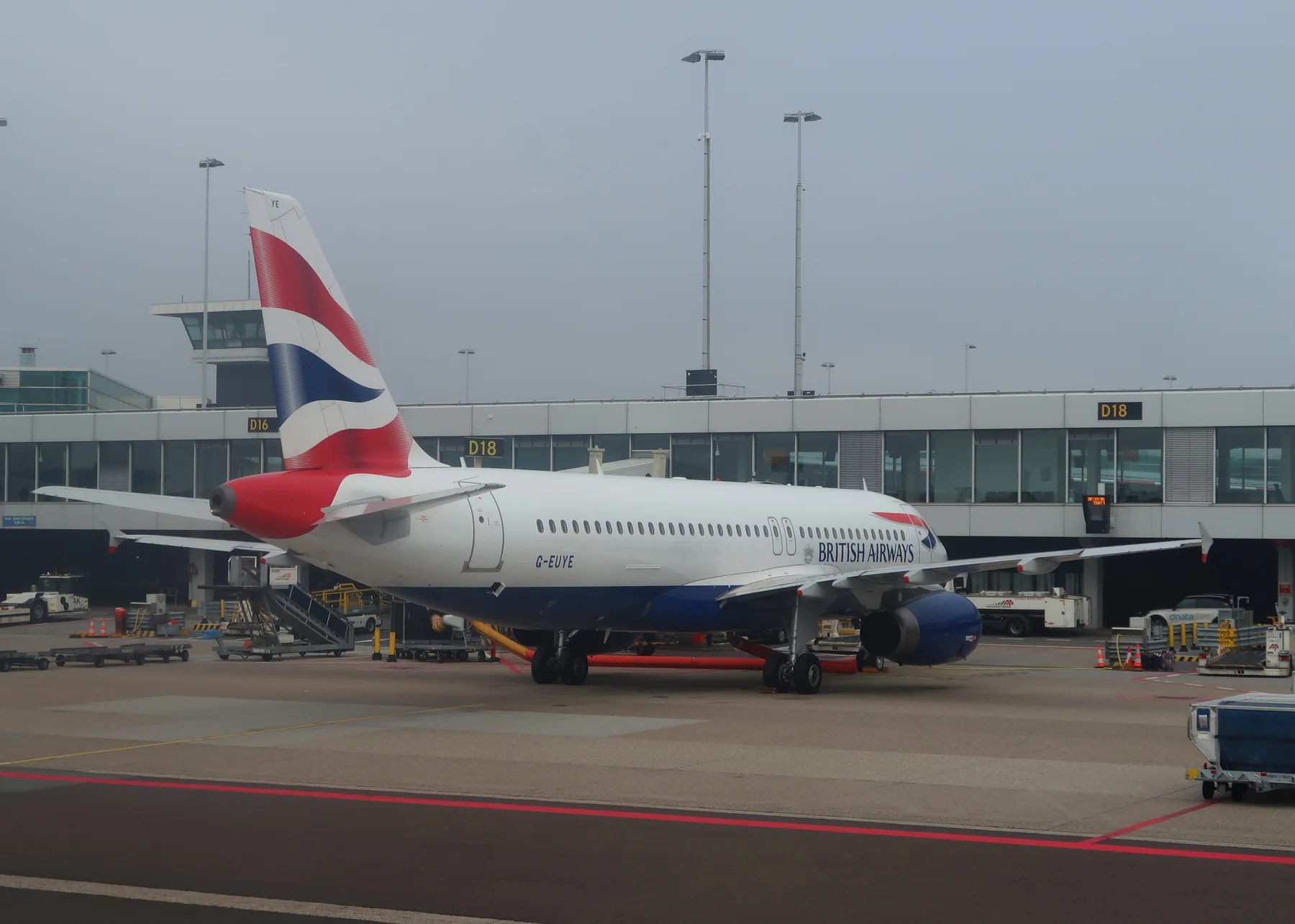
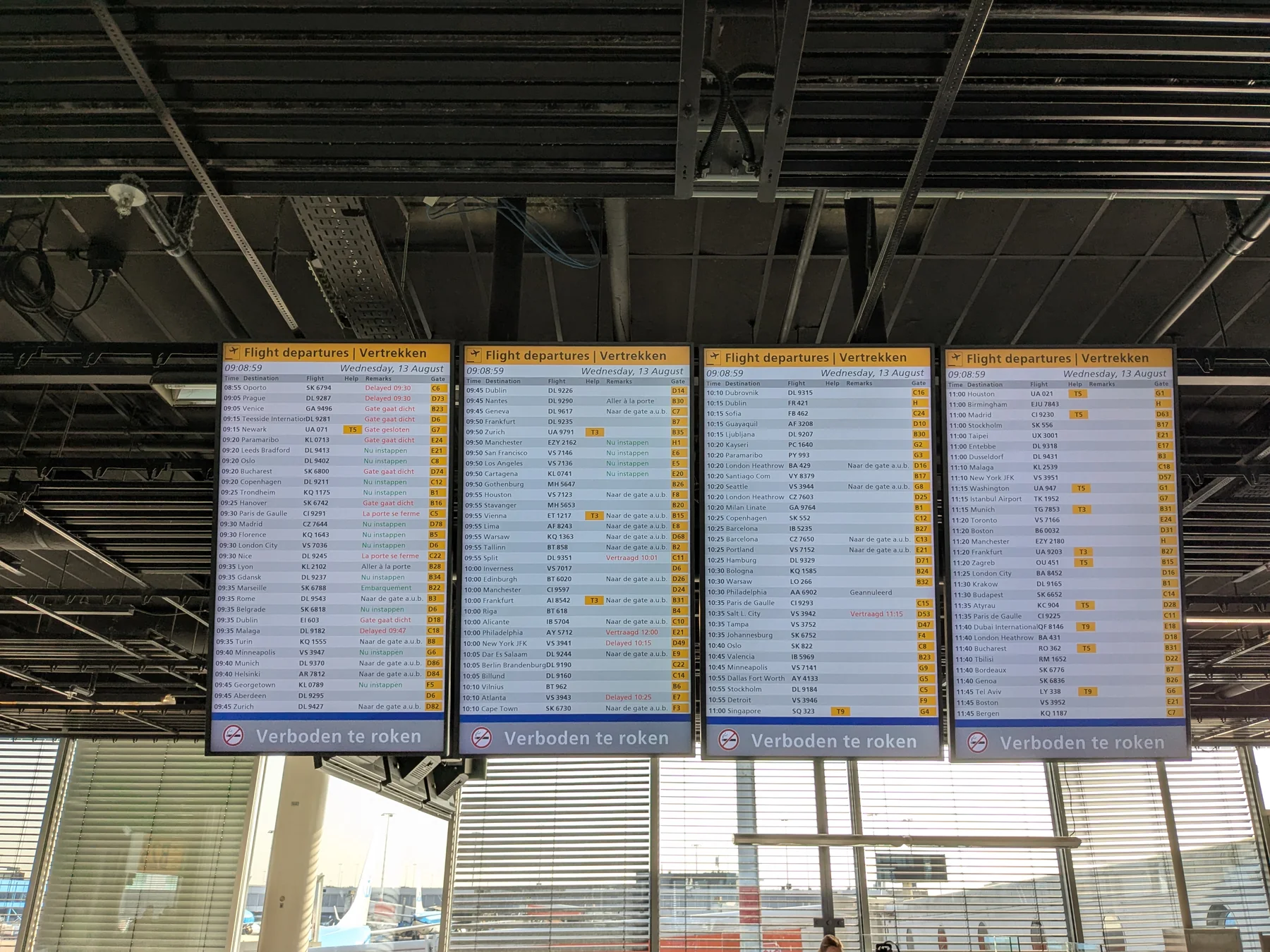
Reuters, AFP and RTÉ reported a fresh wave of bomb alerts on Nov. 5; their counts differ because reports were filed at different times and use different scopes. AFP said at least 14 flights were affected, while a separate Reuters report described at least 25 flights in the morning wave. This article uses the lower, explicitly attributed count rather than treating the two snapshots as an exact final total. Bulgarian National Radio reported the Defence Ministry’s account that MiG-29s escorted three threatened Ryanair flights and that inspections found no dangerous objects at the time of publication. RTÉ reported the Aer Lingus Dublin–Rome diversion and passenger/crew count from the French prime minister’s office. Reuters said no explosive device had been found on affected planes and that no public evidence linked the incidents to a state or organisation. A bounded search for actual-event photographs found Reuters/AFP imagery without a reuse licence suitable for this publication. The images here are unrelated archive context: a British Airways aircraft at Amsterdam Schiphol on Oct. 6, 2026 (VynedJ, CC0), and Schiphol flight boards photographed Aug. 13, 2025 (Sebleouf, CC BY-SA 4.0). Neither depicts the Nov. 5 alerts or affected flights. Original JPEGs are retained in public/newsroom/source-originals/europe-flight-threats-2026; display copies were proportionally resized and converted to WebP without cropping or content retouching.
Diversions turn threat reports into real disruption
Airlines and police dealt with a fresh wave of bomb alerts across Europe on Thursday, Nov. 5, prompting fighter escorts, diversions and security inspections. AFP reported at least 14 flights affected; a separate Reuters report filed earlier described at least 25 in the morning wave. The different totals are snapshots, not a settled count.
An Aer Lingus Airbus flying from Dublin to Rome was diverted to France’s Évreux air base. RTÉ, citing the French prime minister’s office, reported 151 passengers and six crew aboard. The airline said the aircraft landed safely and that it would arrange onward travel.
Authorities say inspected aircraft were safe
Bulgarian National Radio reported that Bulgaria scrambled three MiG-29 fighters to escort three Ryanair flights bound for Sofia after email threats. Two landed in Sofia and one in Plovdiv; authorities inspected the aircraft. The broadcaster said the Defence Ministry reported no dangerous objects found at the time of its update.
Czech police said four planes heading to Prague had received threats, assessed their credibility as low and said inspections would follow landing. Reuters reported that no explosive device had been found on planes affected this week. That does not establish who sent the alerts or whether every investigation is complete.
The source of the alerts remains unknown
Airlines and authorities must treat a report as potentially real until they assess it. Aviation-security procedures can include diverting an aircraft, unloading passengers and baggage, and searching the cabin and hold. Even when an alert proves false, the response can disrupt schedules, crews and onward connections.
Reuters reported no claim of responsibility and no public evidence connecting this week’s alerts to a particular state or organisation. Experts cited by Reuters said possible motives can range from criminal activity or activism to political or state-linked operations; those are general possibilities, not findings about these incidents.
Sources
6 references
- ReutersWhat do we know about the wave of bomb threats against flights in Europe?Explains the Nov. 5 wave, no devices found on affected planes, the lack of public evidence identifying a culprit and how airlines and authorities respond. · 2026-11-05
- Agence France-PresseBomb threats hit European flights for third dayReports at least 14 affected flights, three diversions and official/airline accounts from Bulgaria, France and the Czech Republic. · 2026-11-05
- RTÉ NewsAer Lingus plane among 14 flights hit by bomb threatsReports the Dublin–Rome flight’s diversion, 151 passengers and six crew, citing Aer Lingus and the French prime minister’s office. · 2026-11-05
- Bulgarian National RadioThree aircraft make emergency landings in Bulgaria following bomb threatsReports the Bulgarian Defence Ministry’s account of three MiG-29 escorts for threatened Ryanair flights and inspections in Sofia and Plovdiv. · 2026-11-05
- Wikimedia CommonsG-EUYE at AMS 20261006.jpgPhoto file page, creator and CC0 1.0 licence; archive context only. · 2026-10-06
- Wikimedia CommonsAmsterdam Airport Schiphol - Flights departures board 2025-08-13.jpgPhoto file page, creator Sebleouf and CC BY-SA 4.0 licence; archive context only. · 2025-08-13