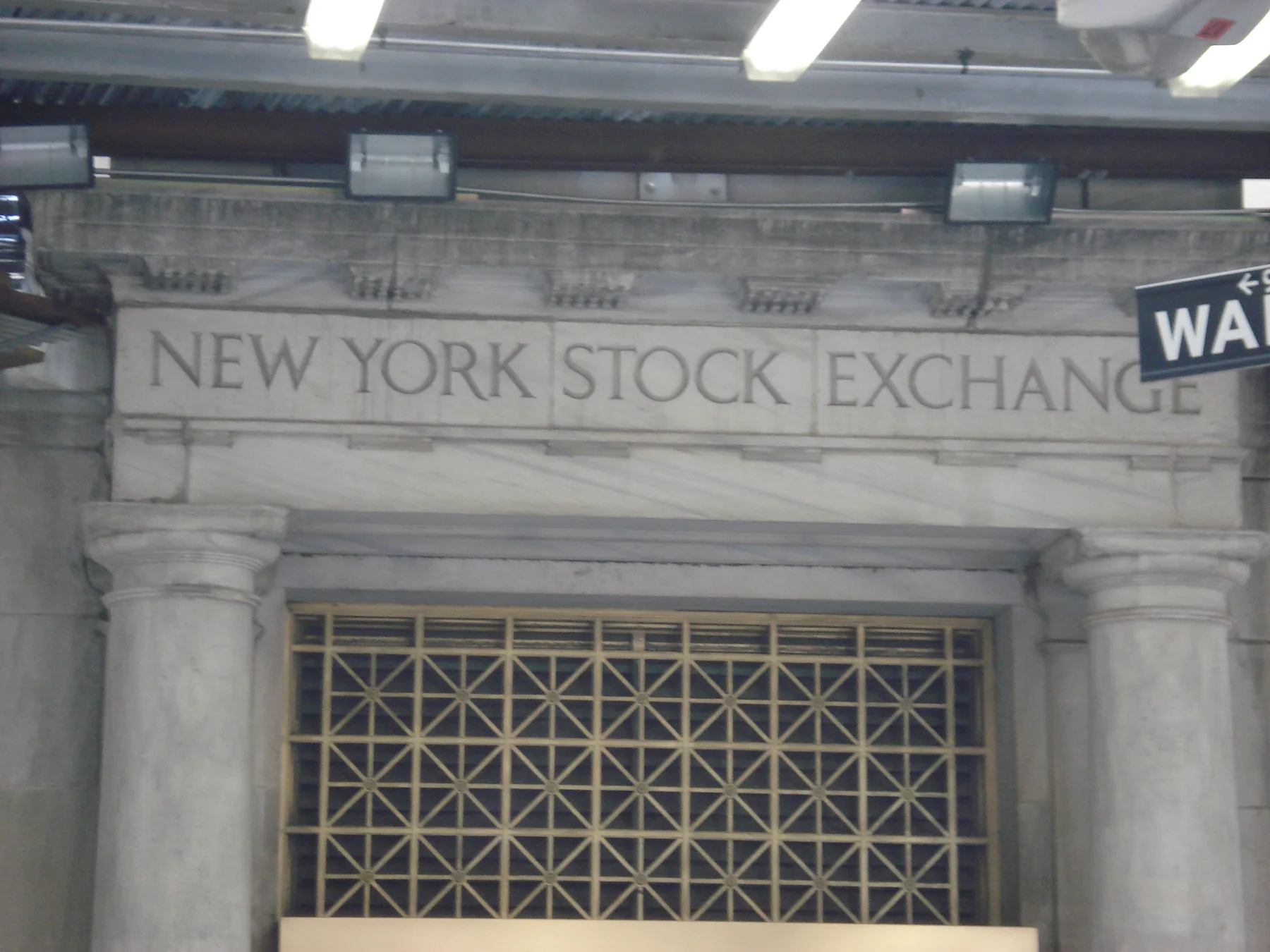
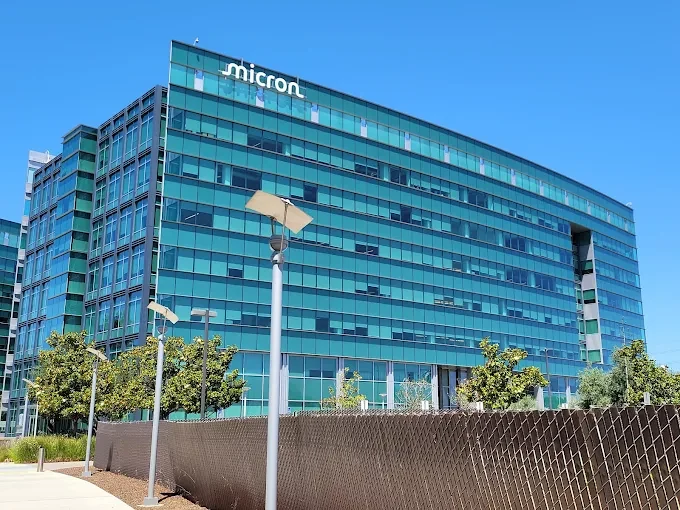
Nasdaq’s official index history page showed the Composite at 24,451.75, down 4.99% from its previous close on Nov. 5; this is an intraday snapshot, not the final session close. Reuters and the Associated Press independently reported the technology-led decline and gave earlier intraday snapshots. The 10% correction threshold is calculated against the Oct. 6 record close of 27,599.89 reported by Reuters. Market explanations are attributed investor concerns, not a verified single cause. AP and Reuters trading-floor photographs linked to agency licensing pages; reuse permission was not established. The two real context photos are dated archive images: Bouke’s NYSE entrance photo (July 14, 2007) and Malaysia Skyline’s Micron San Jose building (Aug. 1, 2025). Their original files are retained in public/newsroom/source-originals/nasdaq-ai-correction-2026. The NYSE image was proportionally resized to 1,800 × 1,350 and encoded as WebP at quality 84; the Micron PNG was re-encoded as WebP at quality 88 without cropping or content edits. Credits link to each source page and the applicable CC BY-SA 3.0 or CC BY 4.0 license.
A market snapshot crosses the 10% line
A sharp technology-led selloff pushed the Nasdaq Composite more than 10% below its record closing high on Thursday, placing the index in correction territory for the first time in the current retreat. Nasdaq’s official index page showed the Composite at 24,451.75, down 4.99% from its previous close during Nov. 5 trading. Reuters reported the record close was 27,599.89 on Oct. 6; the gap between that peak and the Thursday snapshot was about 11.4%.
The reading is an intraday snapshot, not a final closing result. The Associated Press reported an earlier 1:46 p.m. Eastern snapshot in which the Nasdaq was down 5.2%, the S&P 500 3.9% and the Dow Jones Industrial Average 3.1%. Those figures describe the market at that time, not where the indexes ended the day.
AI and chip shares led the retreat
The decline followed a second day of heavy selling in semiconductor and data-centre companies. Reuters reported that Qualcomm shares fell after smartphone-chip sales missed Wall Street estimates, while investors also reassessed the cost and expected returns of the rapid buildout of AI computing infrastructure.
Some investors are weighing whether the Democratic victories in Tuesday’s U.S. midterm elections could make data-centre approvals more difficult in places where candidates campaigned against expansion. That is a market concern about possible future policy, not evidence that projects have been cancelled. Reuters also reported a broad fall in global shares, while AP described losses in South Korea and Japan alongside the U.S. decline.
A correction measures the fall, not what comes next
Market convention calls a decline of 10% or more from a recent high a correction; a 20% fall is commonly called a bear market. The label marks the size of a drawdown, not a forecast of further losses or a verdict on whether AI investment will pay off.
The change does show how quickly expectations can shift when several risks arrive together: financing costs, doubts about returns on large infrastructure spending, company results and uncertainty over permitting. None of those factors alone establishes why every investor sold or how much future data-centre capacity will be built. The record remains a price signal from markets, not a measure of completed investment or a settled outlook for the wider economy.
Sources
5 references
- Nasdaq IndexesNASDAQ Composite — index history (Nov. 5, 2026 data)Primary market data: Composite value and change during Thursday trading; not the session close · 2026-11-05
- ReutersChip selloff drags global stocks lower on AI spending concernsIndependent reporting on the technology-led selloff and investor concerns · 2026-11-05
- Associated PressA wipeout for AI stocks sends Wall Street reeling, and the S&P 500 tumbles more than 3%Independent reporting with a timestamped intraday market snapshot · 2026-11-05
- Wikimedia Commons — image source and licenseNew York Stock Exchange 02010.JPG by Bouke — CC BY-SA 3.0Dated archive photograph of the NYSE entrance; file page grants CC BY-SA 3.0 · 2007-07-14
- Wikimedia Commons — image source and licenseMicronSanJose.png by Malaysia Skyline — CC BY 4.0Dated archive photograph of Micron’s San Jose building; file page grants CC BY 4.0 · 2025-08-01