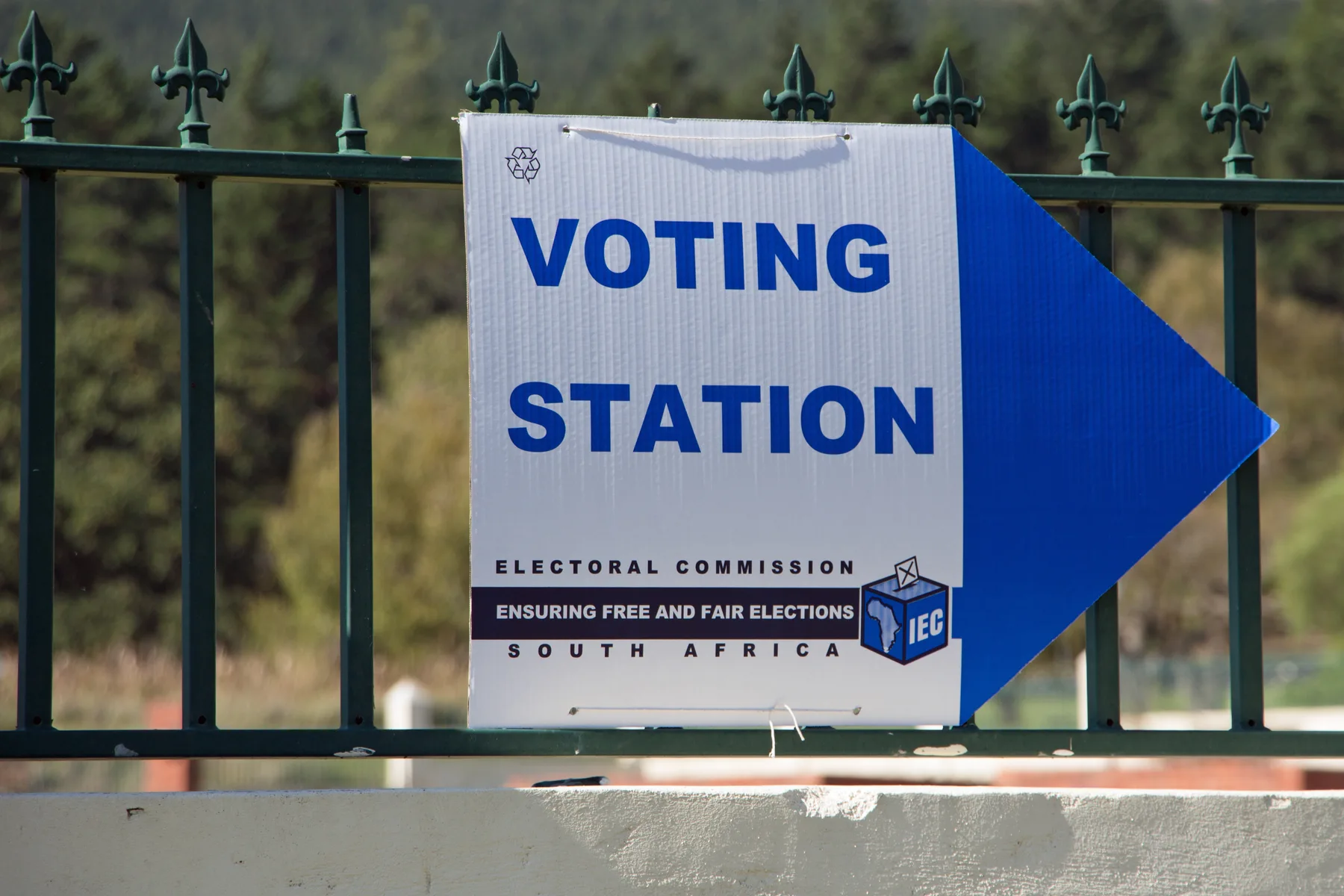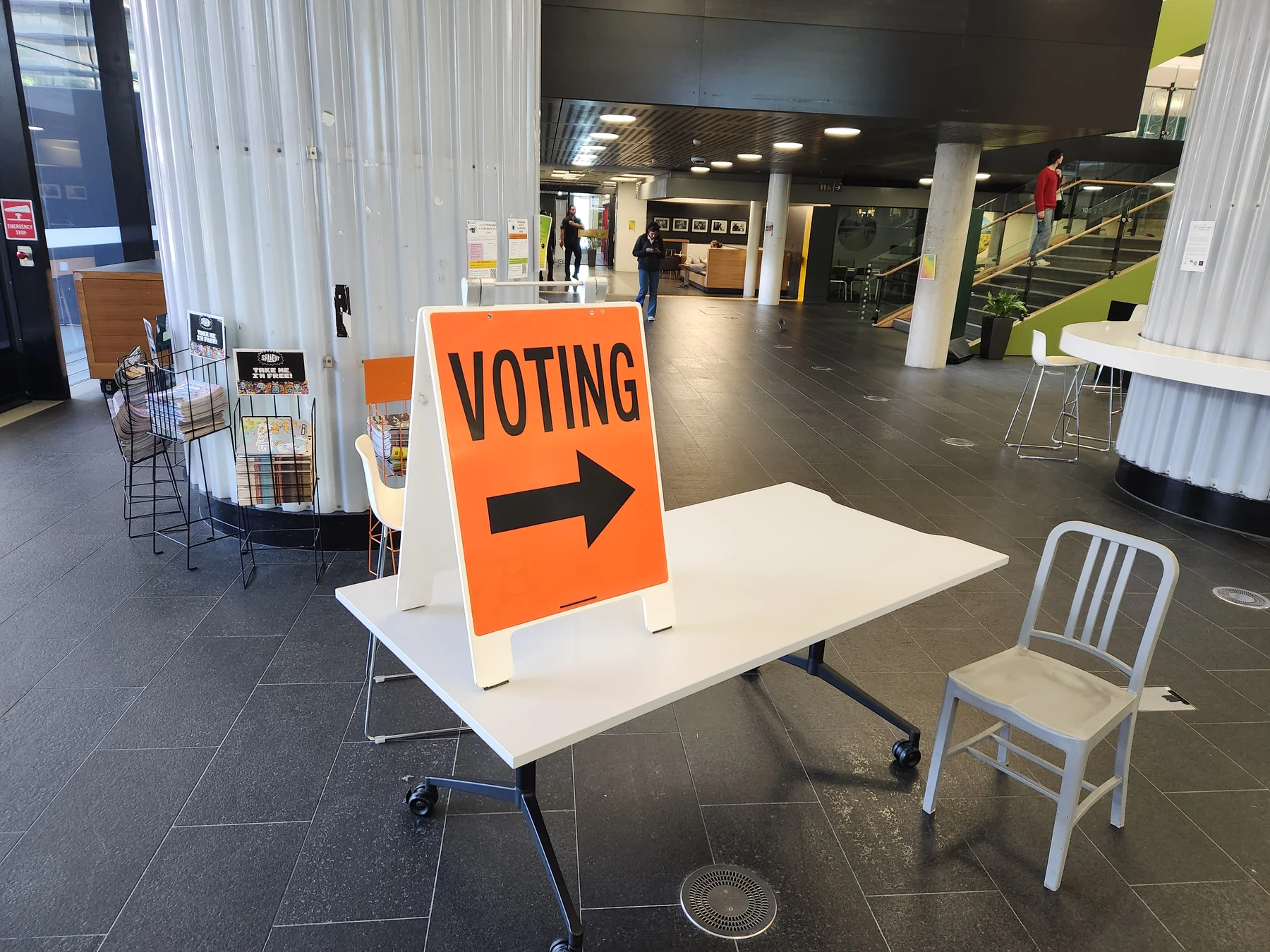
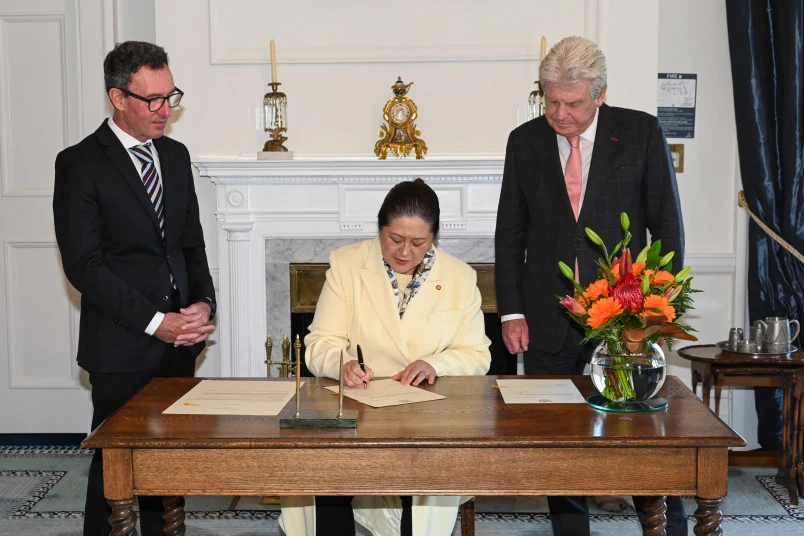
Reuters’ Nov. 6 dispatch reports the parties’ final appeals and cites a Friday Infrastructure New Zealand poll; its percentages are one survey snapshot, not an official count or seat projection. The Associated Press separately describes a close contest without a clear route to victory for either main bloc and explains the possible influence of smaller parties. The Electoral Commission’s Nov. 6 notice confirms more than 2,300 voting places will open from 9 a.m. to 7 p.m. on Nov. 7, with preliminary results released after polls close; its latest issued-vote figure through Thursday is not final turnout or evidence of party support. The Commission’s timetable confirms election advertising ends and signs must come down by midnight on Nov. 6, and official results are due Nov. 27. Its MMP guide confirms the electorate and party votes and the 5% party-vote or electorate-seat threshold. A bounded search of current campaign images found ReutersConnect and Getty editorial photos offered under paid licensing; no free republication permission was established. Both photos used here are dated election-context images, not pictures of the final campaign appeals or Nov. 7 voting: Panamitsu’s Victoria University voting sign from Oct. 29 (CC BY-SA 4.0) and Government House’s Oct. 4 writ-signing photograph (CC0). Originals are retained in public/newsroom/source-originals/new-zealand-election-campaign-closes-20261106. The lead JPEG was resized proportionally from 4,000 × 3,000 to 1,800 × 1,350 and converted to WebP at quality 86 without cropping or retouching; its derivative is shared under CC BY-SA 4.0. The inline 804 × 536 JPEG was converted to same-size WebP at quality 88 without cropping or retouching; the Government House source is marked CC0. Both assets were decoded and visually inspected.
Final appeals meet a midnight cutoff
New Zealand’s political parties made their last appeals on Friday before the election campaign period is due to end at midnight. The Electoral Commission says all election advertising must stop and signs must be taken down by then. Voters choose a new Parliament on Saturday, Nov. 7.
More than 2,300 voting places are scheduled to open from 9 a.m. to 7 p.m. local time. By the end of Thursday, 1,666,908 votes had been issued, compared with 1,379,985 at the same point before the 2023 election, the Commission said. The running figure is not final turnout and says nothing about how people voted.
The party vote can matter more than first place
Polling has left the governing National-led coalition and the Labour-led opposition without a clear path to govern alone. A Friday poll cited by Reuters put Labour at 30.7% and National at 26.4%; the centrist Opportunity Party was at 5.1%, just above the party-vote threshold for representation. Those are survey figures, not results or a seat forecast; a party can also qualify by winning an electorate seat.
New Zealand uses mixed-member proportional representation, or MMP. Voters choose both a local electorate representative and a party; the party vote largely determines each party’s overall share of seats. A party normally needs at least 5% of that vote or to win an electorate seat to enter Parliament. Because no party usually wins enough seats alone, smaller parties can shape who forms a government and on what terms.
Election night may not settle who governs
The Electoral Commission says preliminary results will appear progressively after polls close at 7 p.m. Saturday. The official result is scheduled for Nov. 27. That interval matters when party leaders are negotiating: the party with the largest vote share does not automatically lead the government, and the final balance of seats can affect which combinations are viable.
Reuters reported that political commentators expect coalition negotiations could take days or weeks. That is an expectation, not a formal timetable; the immediate test on Saturday is how many seats each party wins and whether any grouping can command a majority.
Sources
5 references
- ReutersNew Zealand election campaign enters final day with result too close to callReports Friday’s final appeals, the latest Infrastructure New Zealand poll, the midnight campaign cutoff and expected coalition arithmetic. · 2026-11-05
- Associated PressNew Zealand votes in an election expected to be tight after a tense campaignIndependent reporting on the close contest, political stakes, mixed-member proportional system and potential role of smaller parties. · 2026-11-05
- Electoral Commission of New ZealandLast chance to votePrimary source for the Nov. 7 polling-place schedule, more than 2,300 voting locations, issued-vote totals and election-night preliminary results. · 2026-11-06
- Electoral Commission of New ZealandKey dates for 2026 General ElectionPrimary timetable for the regulated campaign period, midnight advertising cutoff, election day and Nov. 27 declaration of official results. · 2026-01-21
- Electoral Commission of New ZealandWhat is MMP?Primary explainer on electorate and party votes, the 5% threshold or electorate-seat exception, and post-election party negotiations. · Undated; checked 2026-11-06