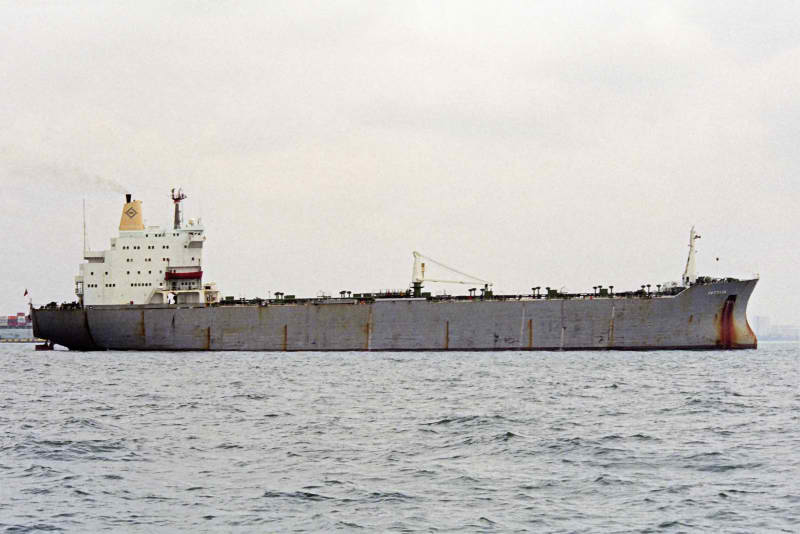
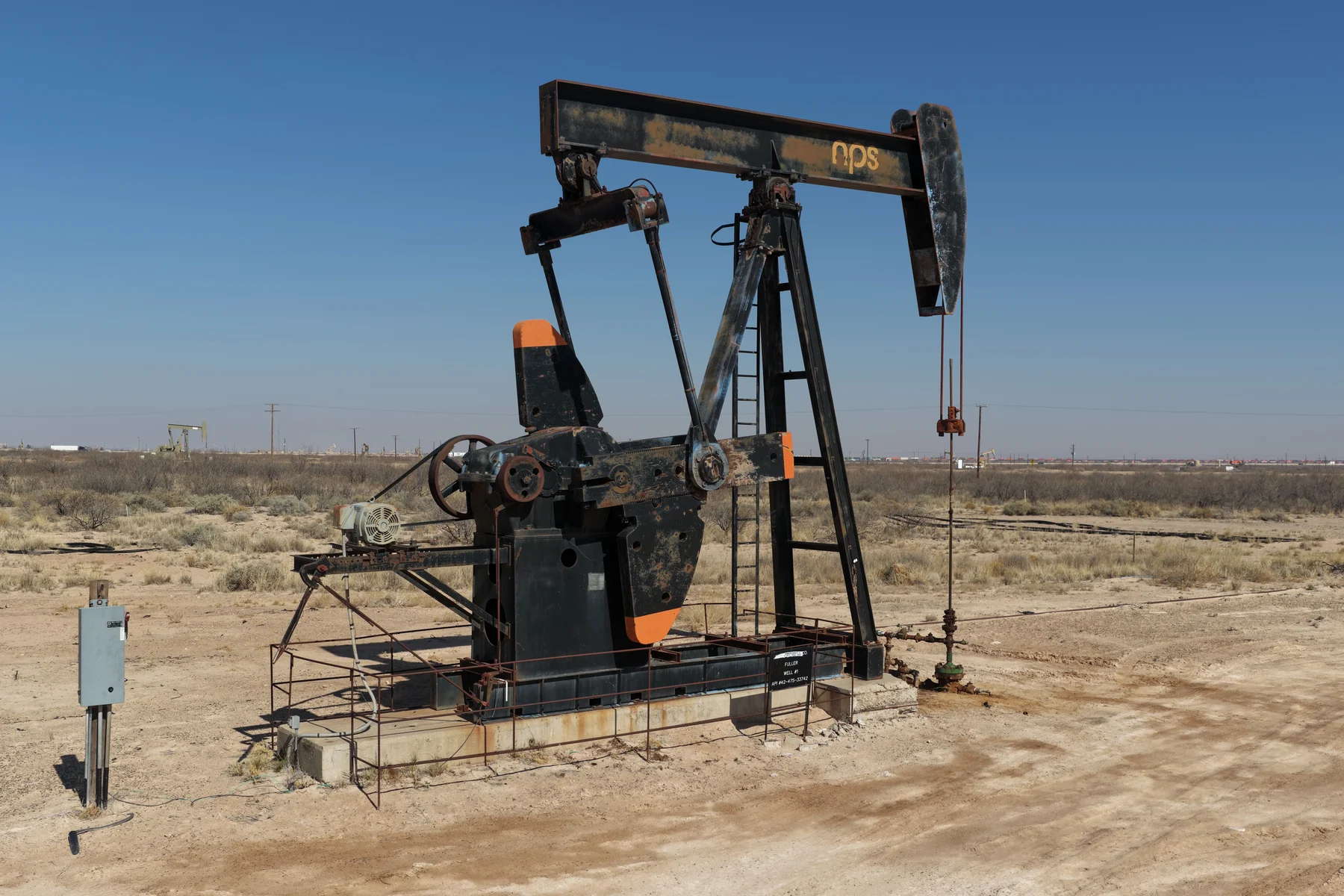
Reuters reported on Nov. 6 that JPMorgan estimated global supply exceeded consumption by 1.1 million barrels a day in September and 1.4 million in October. These are the bank’s estimates, not an independently measured final balance. Reuters also reported Goldman Sachs’ view that global stocks did not fall over September–October and that the market was broadly balanced. In Goldman Sachs’ public Oct. 16 research, the bank said demand exceeded supply by 0.3 million barrels a day in September and forecast a surplus in the fourth quarter; its material is an analyst view and forecast, not audited data. The U.S. Energy Information Administration’s Oct. 6 outlook forecast inventory withdrawals of 0.7 million barrels a day in the fourth quarter, based on assumptions prepared Oct. 1 while flows remained constrained; its next outlook was scheduled for Nov. 10. These estimates cover different dates, inputs and balance measures. Vortexa’s 14-million-barrel figure for October crude and condensate exports, and its 3.1-million refined-product figure, are preliminary ship-tracking estimates reported by Reuters; Vortexa and Kpler warned October flows could be revised upward because ships disable tracking signals and cargo details arrive late. A bounded search of the original publisher’s Nov. 6 report found its Hormuz photograph marked “Purchase Licensing Rights”; no reusable current-event photograph was established. The lead is an unchanged 1993 archive image of tanker Pattaya in the Singapore Strait, not a current cargo. The inline image is a March 2026 Permian Basin pumpjack, not a measure of Gulf output. Both images are archival context and their originals are retained in public/newsroom/source-originals/global-oil-market-surplus-20261106.
A surplus estimate, not a final count
JPMorgan estimated the world oil market returned to a surplus of 1.1 million barrels a day in September and widened that surplus to 1.4 million in October, Reuters reported on Nov. 6. The bank said the October estimate was close to the average surplus it calculated for 2025.
A market surplus means estimated supply is greater than estimated consumption over a period. It does not mean every grade of crude is readily available everywhere, or that fuel prices will immediately fall. Global oil balances combine production, trade, consumption and inventory estimates that can be revised as new shipping information arrives.
The estimates use different views of the market
Goldman Sachs offered a more cautious reading. Reuters said the bank estimated global stocks did not decline in September and October and described the market as broadly balanced. Its public Oct. 16 research had put September close to balance and forecast a surplus later in the year. Those assessments do not match JPMorgan’s specific October surplus estimate, and the banks use their own models and data.
The U.S. Energy Information Administration’s latest outlook at the time was prepared on Oct. 1 and published Oct. 6. It assumed Middle East flows would remain constrained and forecast global inventories falling by an average 0.7 million barrels a day in the fourth quarter. That is an earlier forecast, not an observation of October’s final balance; the EIA’s next monthly outlook was scheduled for Nov. 10.
Crude is recovering faster than fuels
Ship-tracking estimates point to a partial recovery in exports. Vortexa put Gulf crude and condensate exports at 14 million barrels a day in October, about 86% of pre-war levels. Refined products such as diesel, gasoline and fuel oil averaged 3.1 million barrels a day, just over half of normal volumes, Reuters reported.
The distinction matters: refineries turn crude into the products that households, airlines and freight operators use. A crude surplus alone cannot establish that refined-fuel supply is ample. Vortexa and Kpler also warned their October shipment estimates could be revised upward because some tankers switch off tracking signals and cargo details can take time to confirm.
Short-term trade looks easier; later supply still looks tight
Reuters reported that Brent swaps for immediate delivery had moved into contango: contracts for later delivery traded above the nearest contract, a pattern often associated with ample prompt physical supply. Longer-dated Brent futures remained in backwardation, with nearer delivery priced above later contracts, indicating traders still see tighter supply in the near term.
That split helps explain why estimates of a market balance do not settle the price outlook. Tanker attacks, disrupted routes and the risk of renewed escalation remain constraints identified by both Reuters’ reporting and the EIA outlook. The new surplus estimates point toward possible easing; whether that persists, and whether refined products follow, remains uncertain.
Sources
3 references
- ReutersAs high oil prices curb demand, fresh signs of glut appearReports JPMorgan’s September–October supply estimates, Goldman Sachs’ separate inventory assessment, preliminary Vortexa export data and mixed Brent curve signals. The market-balance figures are attributed estimates. · 2026-11-06
- Goldman SachsWill Oil Prices Decline as Middle East Supply Recovers?The bank’s own research describes September as nearly balanced and forecasts a fourth-quarter surplus, while warning that conflict-related supply risk could keep prices elevated. These are forecasts and analyst judgments. · 2026-10-16
- U.S. Energy Information AdministrationShort-Term Energy Outlook — Global oil marketsOfficial forecast completed Oct. 1 that assumed constrained Middle East flows and projected a 0.7-million-barrel-a-day global inventory draw in the fourth quarter; the next outlook was scheduled for Nov. 10. · 2026-10-06