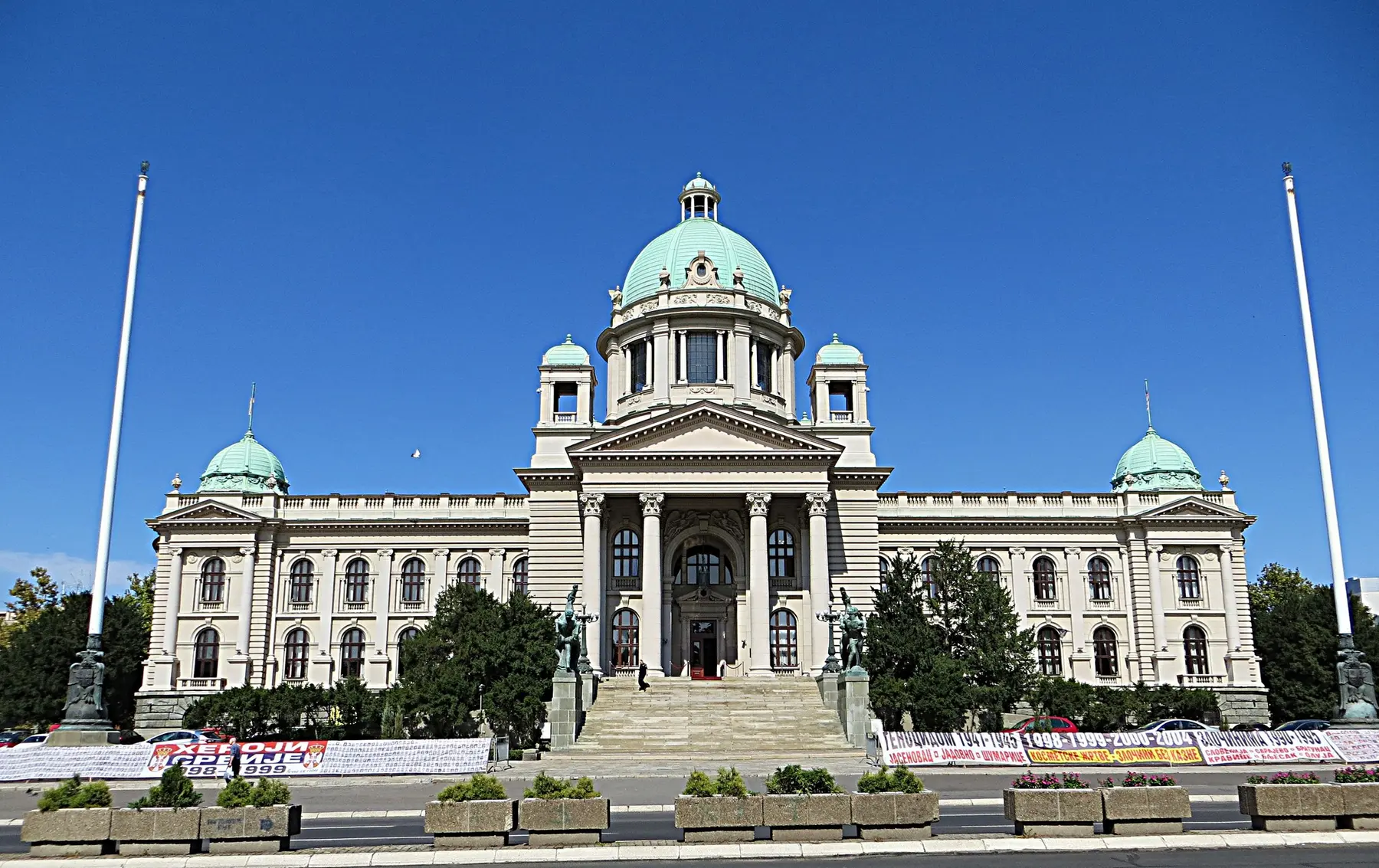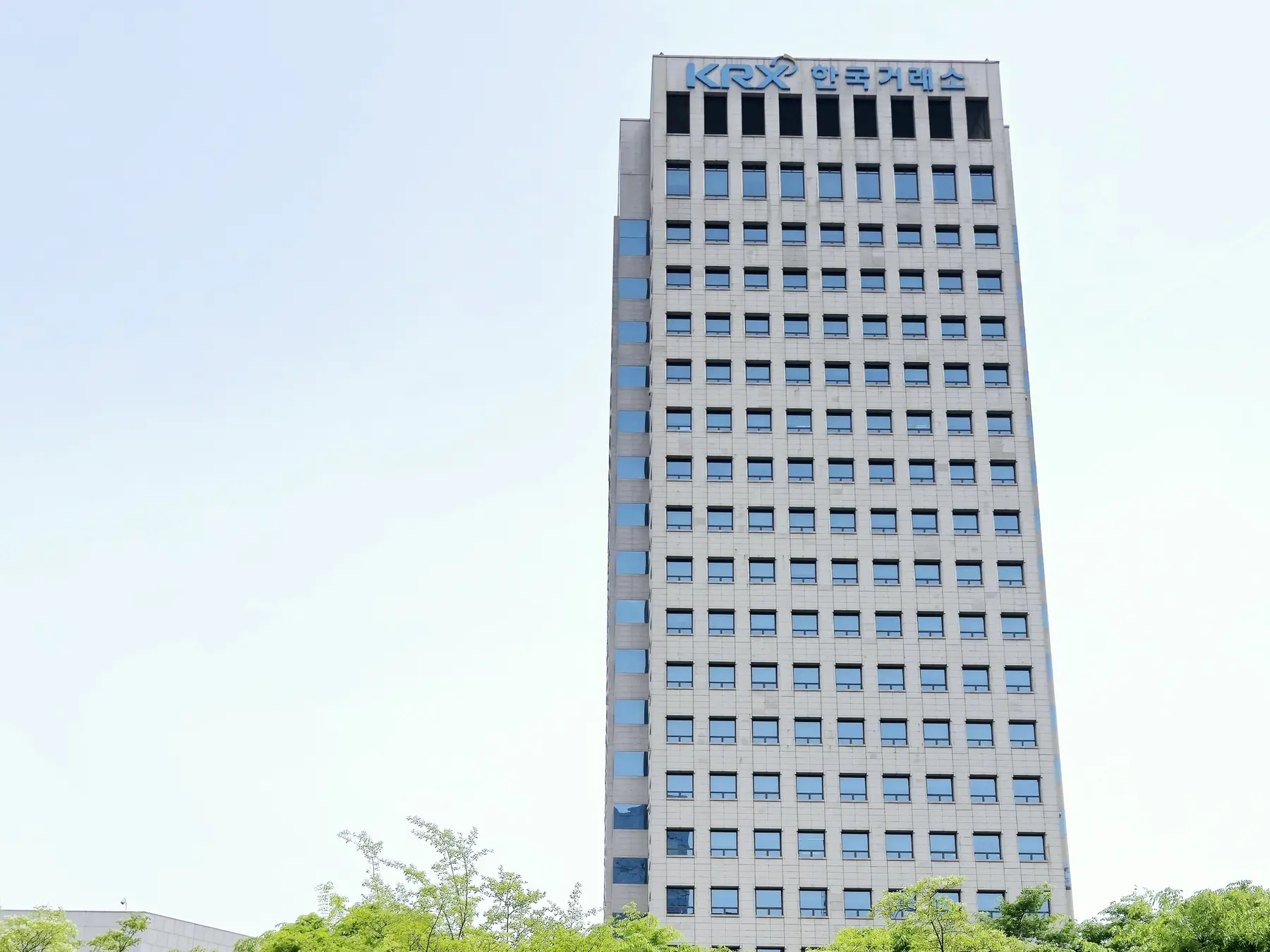
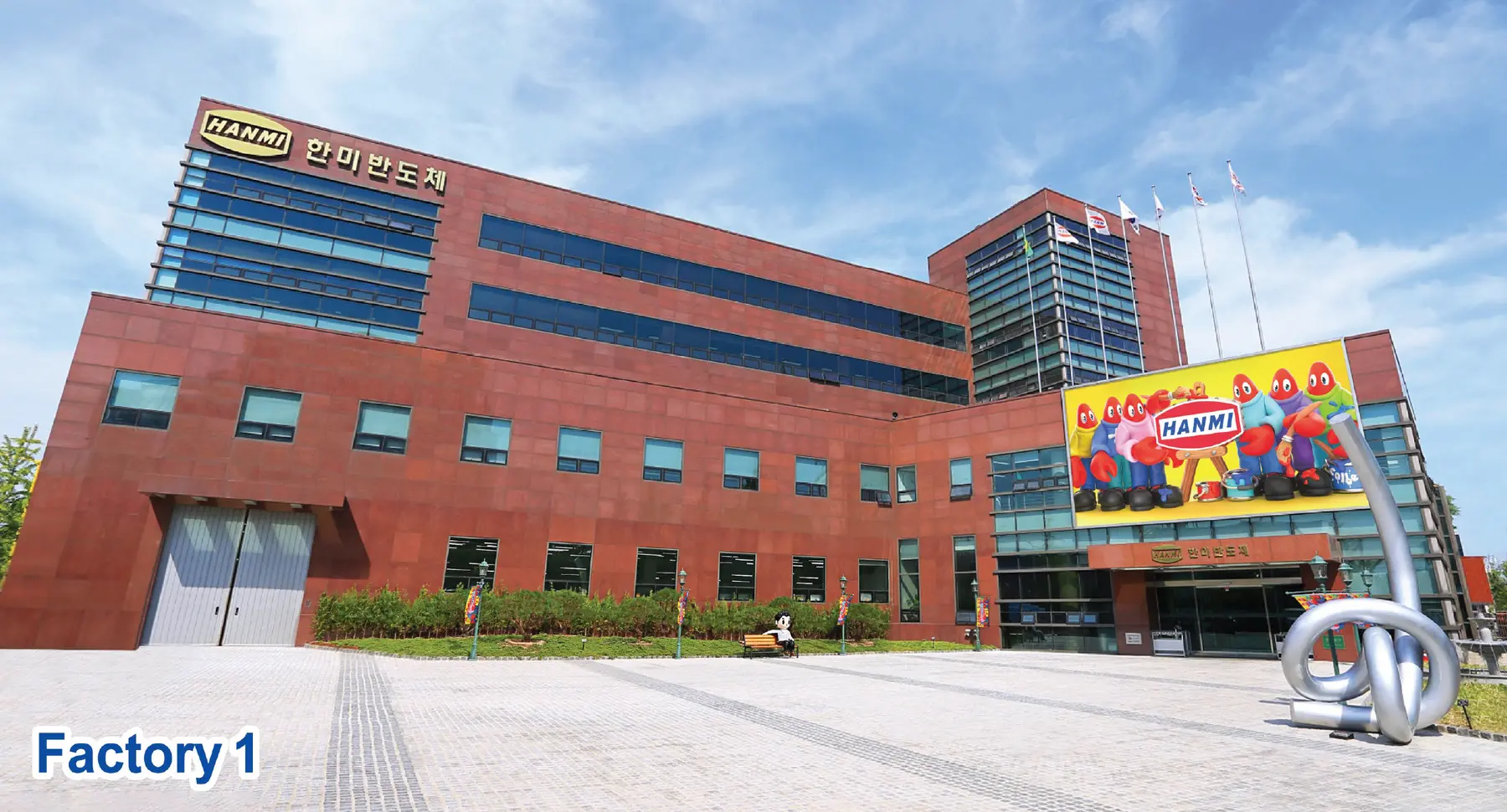
Reuters independently reported the KOSPI decline, 9:03 a.m. local halt, 20-minute duration and losses in Samsung Electronics and SK Hynix. MoneyToday reports the Korea Exchange activation reading and explains the Stage 1 threshold, citing the exchange. MoneyToday’s English page labels itself an AI translation and warns of possible errors; its 8.52% activation reading and Reuters’ 8.6% reading at 0026 GMT are time-specific figures. The exchange’s primary rule page was not directly reviewed. Reuters and News1 event photographs were not reused because the rights terms were not available for republication. The lead is a Korea Exchange building photographed in April 2025; the inline image shows a semiconductor company’s factory exterior photographed in September 2026. Both are archive context and do not depict Friday’s market fall or trading floor. Original files are retained under public/newsroom/source-originals/kospi-circuit-breaker-20261106. The lead by Narubaru7 is cropped to 4:3 and resized; the factory image by 타사자라 is proportionally resized. Neither image was retouched.
A trading pause follows a sharp early decline
South Korea’s benchmark KOSPI fell more than 8% in early trading on Friday, November 6, prompting the Korea Exchange to halt stock and derivatives trading for 20 minutes. The Stage 1 circuit breaker was activated at 9:03 a.m. in Seoul, Reuters reported.
At 0026 GMT, Reuters put the index at 4,923.47, down about 500 points, or 8.6%. MoneyToday, citing the exchange, reported a reading of 4,924.61, down 459.19 points, or 8.52%, at the moment the halt was triggered. The close readings reflect different measurement times. The index had fallen below 5,000 for the first time in nine months.
Chipmakers led the sell-off
Samsung Electronics shares were down 10% and SK Hynix had fallen 13% by Reuters’ 0026 GMT snapshot. Losses also hit other large companies, including Hyundai Motor and LG Energy Solution.
Reuters linked the global technology sell-off to investor uncertainty about artificial-intelligence and data-center policy after the U.S. midterm elections, and quoted Seoul economist Jun Kwang-woo as saying there could be an element of overreaction. That is an explanation offered by market observers, not evidence that one political result alone caused the Korean decline.
What the circuit breaker does
MoneyToday says the exchange’s Stage 1 rule is triggered when the index has fallen at least 8% from the previous close for one minute; the halt then lasts 20 minutes. It is a temporary market safeguard that interrupts rapid selling. It does not reset prices or resolve the uncertainty driving investors’ decisions.
The KOSPI’s technology-heavy weighting made the losses at the country’s biggest chipmakers especially consequential for the benchmark. The exchange’s pause marked the severity and speed of the move, while leaving the underlying market repricing to continue after trading resumed.
Sources
2 references
- ReutersSouth Korea stocks plunge 8%, circuit breaker triggered as chip shares tumbleIndependent reporting on the intraday index level, 9:03 a.m. circuit-breaker activation, 20-minute trading pause, chipmaker losses and market explanations. · 2026-11-06
- MoneyTodayKOSPI falls below 5,000 as “blue wave” triggers circuit breaker, KOSDAQ activates sell-sidecarSouth Korean market reporting citing the Korea Exchange for the index level at activation and explaining the Stage 1 circuit-breaker threshold. The English page is an AI translation and flags possible errors. · 2026-11-06