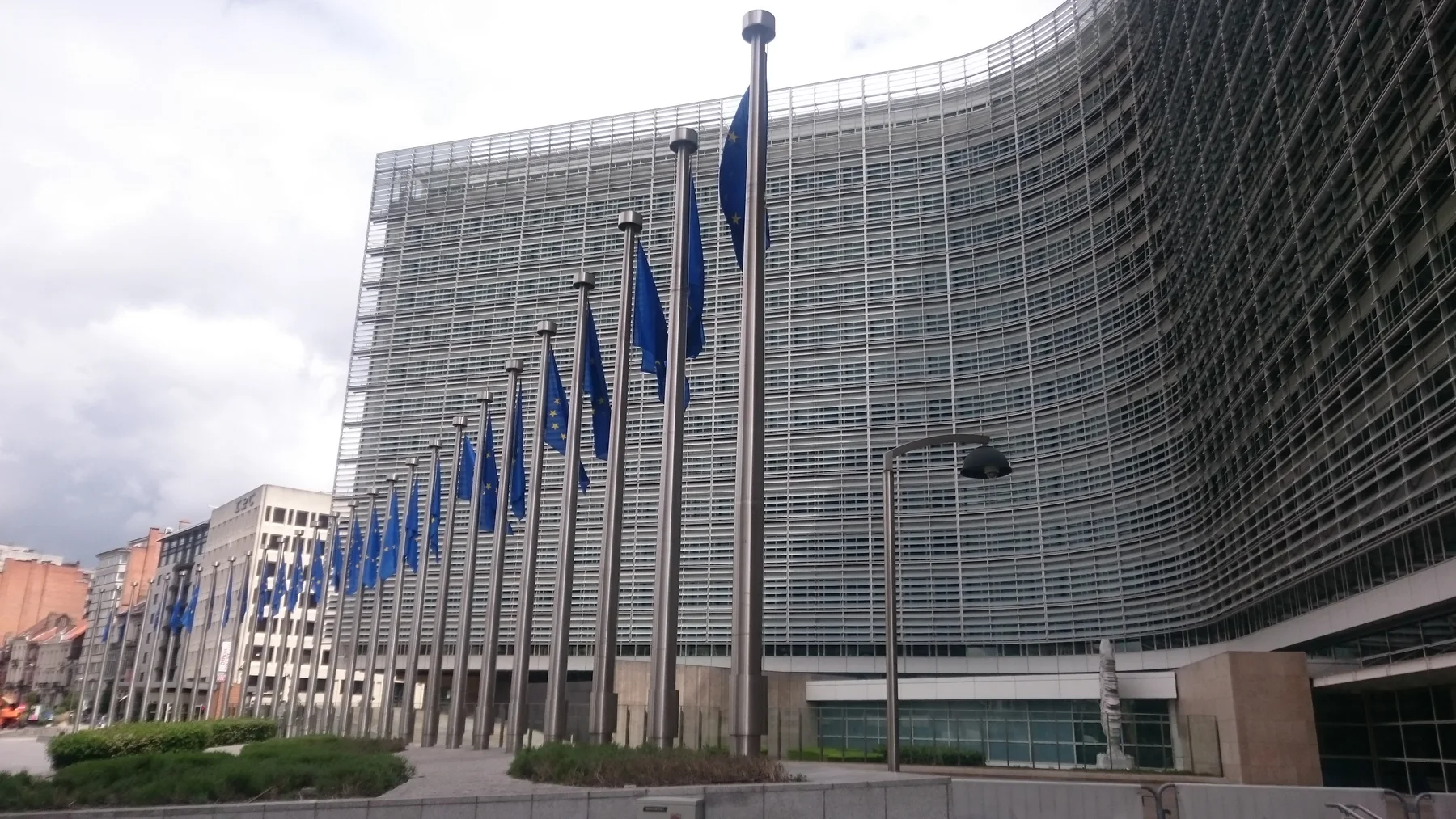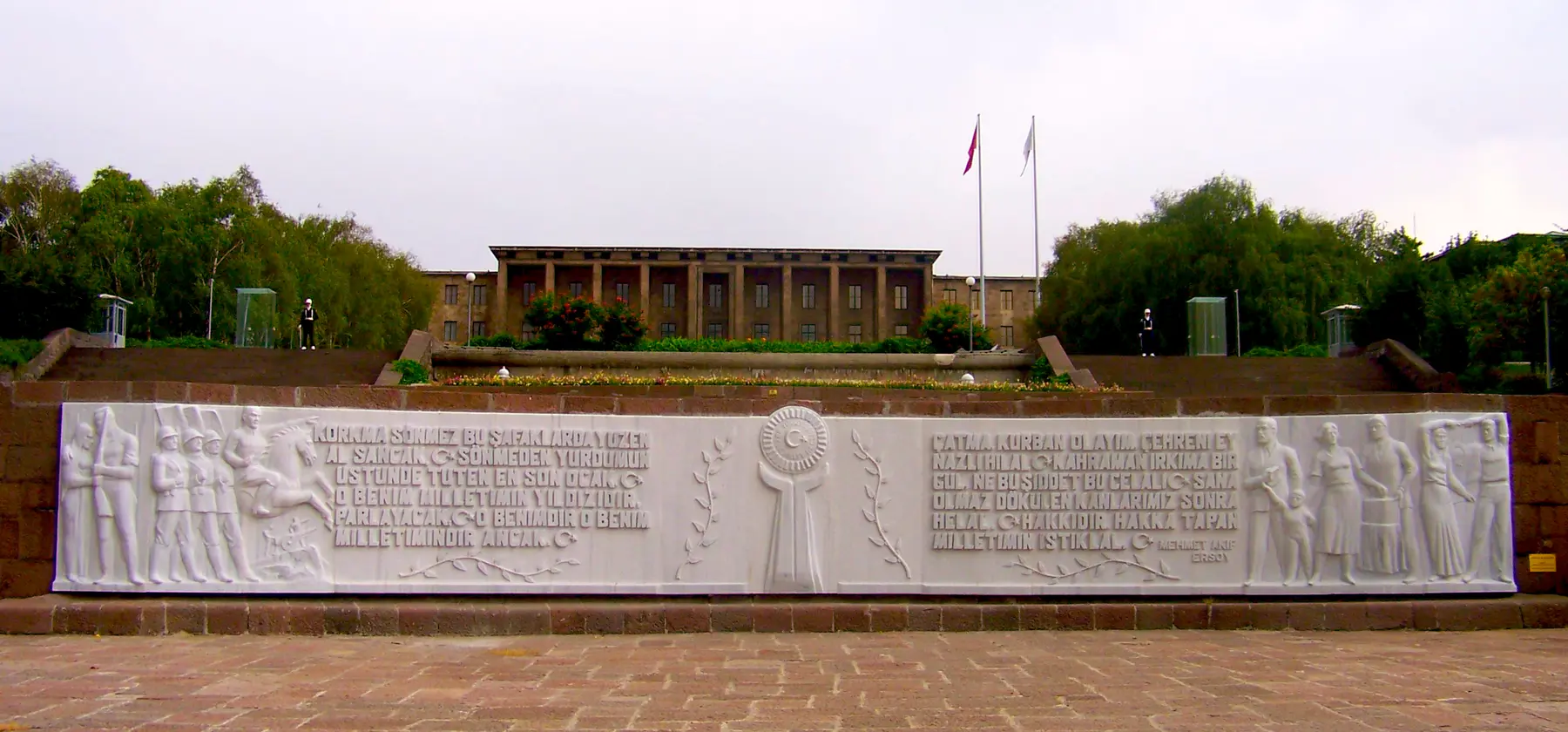
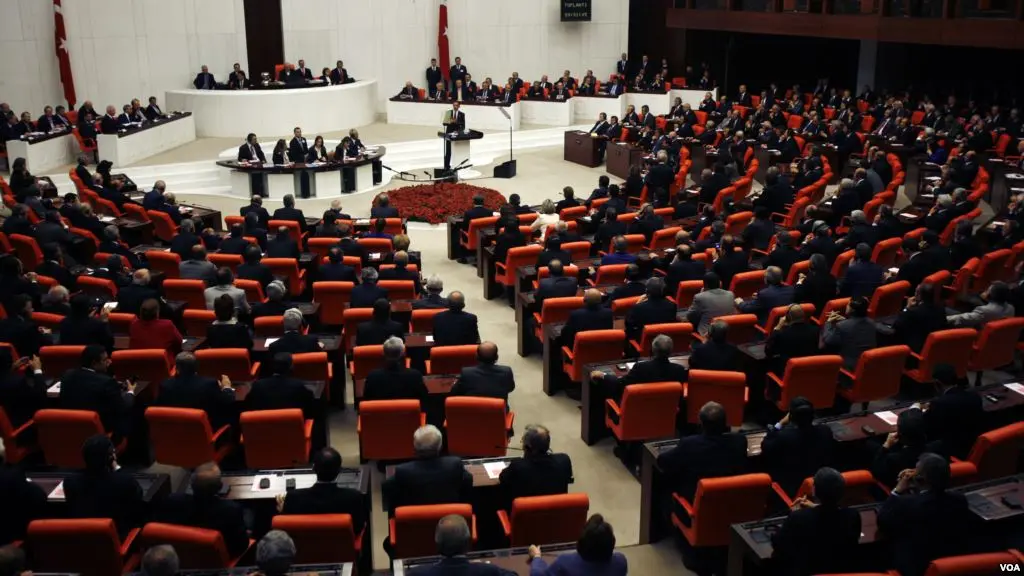
The Turkish parliament’s published proposal includes the agreement text; Article 16 says the pact enters into force only after the last ratification instrument is deposited, so the vote alone does not establish that it is operational. AP and Turkish outlet T24 independently reported the 279–119 vote. AP reported that any Turkish troop deployment would require separate parliamentary approval. The 27 October TBMM committee record describes the government’s position and opposition questions. A bounded search found AP and Reuters signing/meeting photographs offered under paid licensing and Saudi Press Agency images without clear reuse terms; none is used. The two images are dated context: the parliament building photographed July 22, 2007 (CC BY-SA 3.0), and MPs during a January 20, 2015 session (Voice of America, public-domain mark). Originals are retained in public/newsroom/source-originals/turkey-pact-20261105. The lead was proportionally resized to 1,800 × 840 and converted to WebP at quality 86; the inline photo was converted at its original 1,024 × 576 dimensions. Neither was cropped or retouched; captions clarify that neither shows the 2026 vote.
A vote binds the three signatories to a new framework
Turkey’s Grand National Assembly approved a bill on Nov. 5 authorizing ratification of the Mecca Joint Defense Agreement with Saudi Arabia and Pakistan. The measure passed 279–119, AP and Turkish outlet T24 reported. The three countries signed the 16-article agreement in Mecca on Aug. 7.
The treaty says an external armed attack on any signatory is to be treated as an attack on all three. It also provides for regular security consultations, military coordination, intelligence sharing, joint training and closer defense-industry cooperation. The governments describe the pact as defensive; the agreement does not name a target country.
The text requires consultation and domestic legal steps
The agreement does not make a troop deployment automatic. Article 2 says the signatories will assess what assistance is needed and decide its scope and form using the capabilities available to them. The Turkish government’s explanation to parliament says decisions must also follow each country’s constitutional obligations and laws and be reached through consultations and mutual agreement.
AP reported that sending Turkish troops abroad would require a separate parliamentary approval. The ratification bill says it takes effect when published, while Article 16 says the agreement enters into force only after the final ratification instrument is deposited with the committee secretariat. The vote is therefore a domestic approval step; the treaty’s entry into force depends on the remaining formal process.
Opposition lawmakers question future commitments
Before the vote, opposition members raised questions about when military support could be required and how Ankara would retain control over deployments. The government has said the agreement will not draw Turkey into a conflict against its will; the text makes assistance subject to assessment and national procedures, but does not prescribe a single response to every attack.
The agreement remains in force indefinitely once effective. A signatory may withdraw only after 10 years, with at least three months’ written notice, and previously agreed projects can continue. How the framework operates in a crisis will depend on the governments’ decisions and the treaty’s implementation.
Sources
6 references
- Türkiye Grand National AssemblyBill and text of the Mecca Joint Defense AgreementPrimary bill and treaty text. Article 2 details assistance after an external armed attack; Article 16 sets entry into force. · 2026-10-21
- Türkiye Grand National AssemblyForeign Affairs Committee discussion of the Mecca agreementPrimary record of government explanations and opposition questions before the plenary vote. · 2026-10-27
- Associated PressTurkish lawmakers approve a three-nation defense pact with Saudi Arabia and PakistanIndependent report on the vote, opposition concerns, pact scope, and separate approval required for Turkish troop deployments. · 2026-11-05
- T24Türkiye, Pakistan ve Suudi Arabistan arasındaki ortak savunma paktı 'Mekke Anlaşması' TBMM'den geçtiIndependent Turkish reporting on vote tally and treaty provisions. · 2026-11-05
- Wikimedia Commons / MakrilGrand National Assembly of Turkey building, photographed July 22, 2007Dated archive context, CC BY-SA 3.0; not the 2026 vote. · 2007-07-22
- Wikimedia Commons / Yıldız Yazıcıoğlu / Voice of AmericaMembers of parliament during a session, January 20, 2015Dated archive context; public domain in the United States, not the 2026 vote. · 2015-01-20