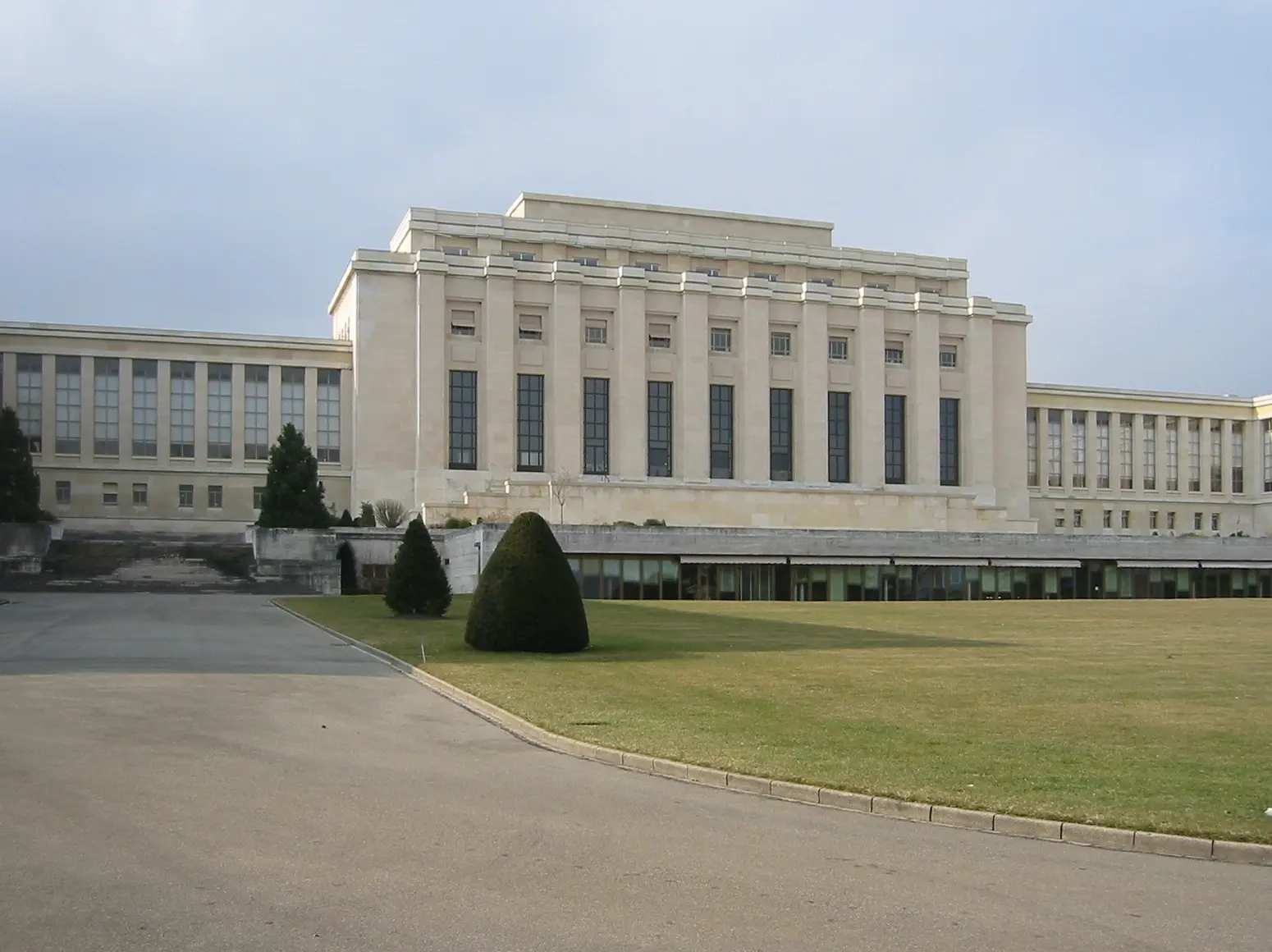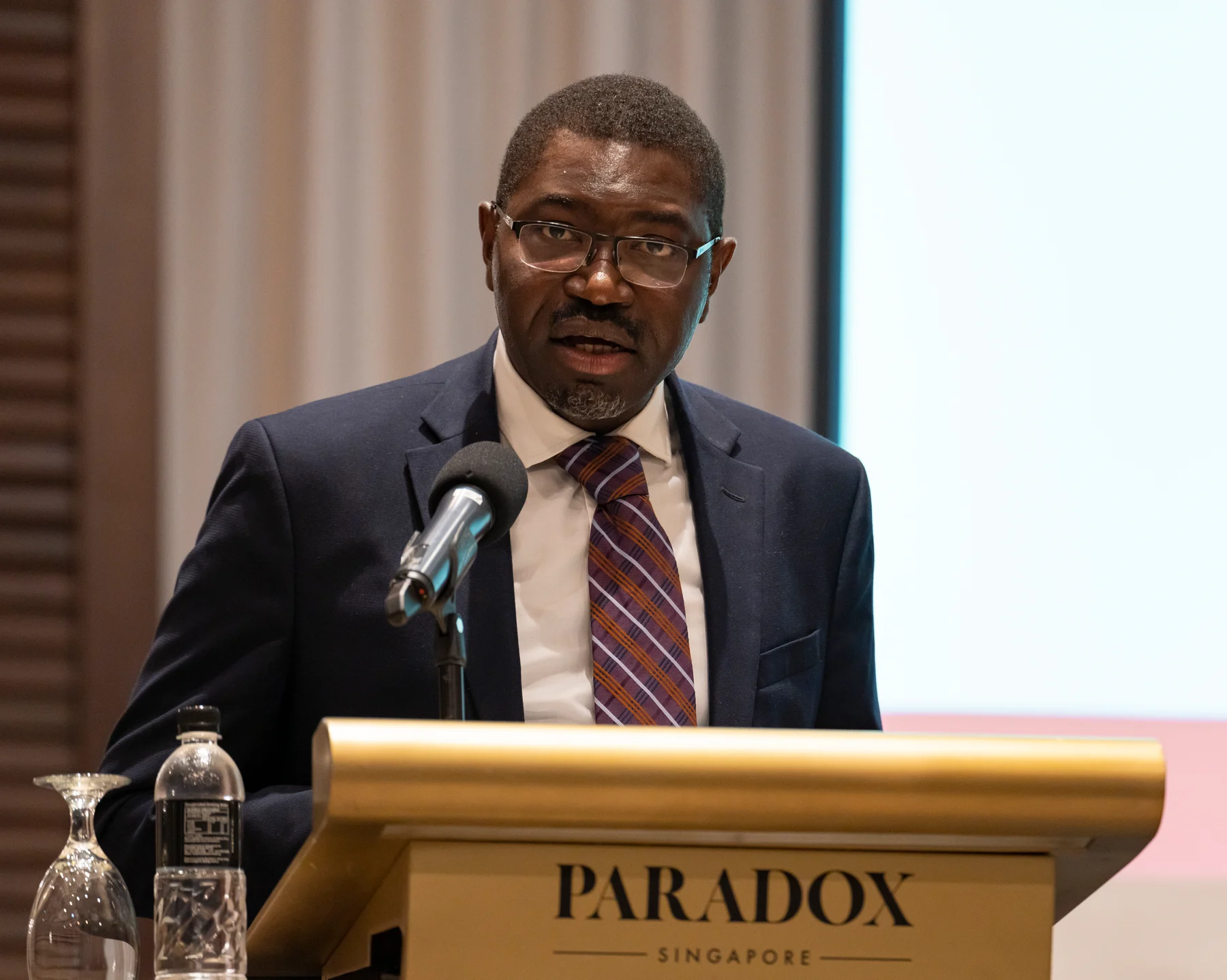
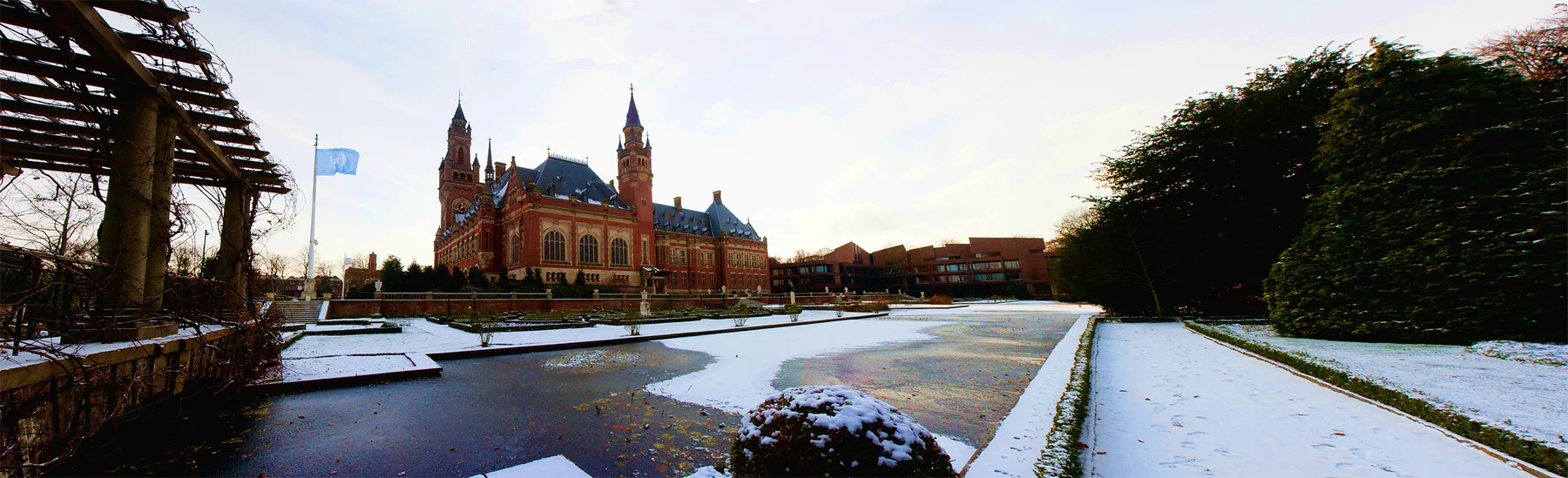
The election date, General Assembly vote tally and threshold are drawn from the UN plenary transcript; the House of Commons Library’s 5 November briefing independently confirms the five elected judges, term date and Akande’s 11 Security Council votes. The Guardian’s 3 November report provides independent reporting on Akande’s background and the UK’s previous vacancy. The UK government release is used for attributed biographical details, not its claims about diplomatic significance. The UN transcript contains apparent transcription errors in some candidate spellings, so the final roster is checked against the Commons Library briefing. A bounded search of original publisher, official and licensed-event imagery found a Guardian/FCDO photo and UN Photo/ICJ gallery images without reusable third-party terms, plus Reuters Connect images requiring a licence; none is used. These are archive/context photographs: Chensiyuan’s portrait of Akande at a Singapore event on 28 July 2022 (CC BY-SA 4.0), and Lybil BER’s Peace Palace panorama from 30 November 2010 (CC BY-SA 3.0). Neither depicts the 2026 election. Originals are retained under public/newsroom/source-originals/icj-akande-20261103. The lead was resized proportionally to 1,800 × 1,438 and converted to WebP at quality 86; the inline image was resized to 1,800 × 549 and converted at quality 86. No crop or retouching was applied; both derivatives are shared under the applicable ShareAlike licences.
Five seats change hands in 2027
The United Nations General Assembly and Security Council elected five judges to the International Court of Justice on Nov. 3. Their nine-year terms begin on Feb. 6, 2027. The group includes Dapo Akande, a professor of public international law at the University of Oxford, restoring a British national to the court after the term of the previous UK judge ended in 2018.
The other four elected candidates are François Alabrune of France, Mahmoud Hmoud of Jordan, Rena Lee of Singapore and Phoebe Okowa of Kenya. The ICJ has 15 members; elections for five seats take place every three years. The vote fills the vacancies, but the judges do not take office until February.
A two-body vote with a high threshold
The UN transcript records 129 General Assembly votes for Akande, with 97 needed for an absolute majority in the 193-member body. A candidate must also win an absolute majority in the Security Council; the Commons Library briefing reports that Akande received 11 votes there. The two bodies vote separately, and the five permanent Security Council members cannot use their usual veto in these elections.
The United Kingdom had a judge on the court continuously from its creation in 1946 until Sir Christopher Greenwood’s term ended in 2018. Greenwood failed to secure re-election in 2017, leaving no UK member on the bench. Akande’s selection ends that gap, though judges are elected in their individual capacity and do not represent their national governments.
The court’s reach—and its limits
The ICJ, based at the Peace Palace in The Hague, is the UN’s principal judicial body. It hears legal disputes between states and issues advisory opinions when authorized UN bodies ask for them. It is separate from the International Criminal Court and does not prosecute individuals.
A new judge can participate only after the term begins and will sit alongside the other members on cases assigned to the court. The election changes the bench’s composition; it does not itself change the court’s jurisdiction or decide any pending dispute.
Sources
6 references
- United Nations General Assembly35th and 36th plenary meetings, 81st session: ICJ election recordPrimary meeting transcript for the election procedure, votes and term commencement; automatic transcript contains some inconsistent name spellings. · 2026-11-03
- House of Commons LibraryThe UK’s new judge at the International Court of JusticeIndependent parliamentary briefing cross-checking the five elected judges, 2027 start date, vote counts, court role and election rules. · 2026-11-05
- The GuardianBritish lawyer Dapo Akande elected to UN top court in big diplomatic winIndependent reporting on Akande’s election and the UK’s previous absence from the ICJ bench. · 2026-11-03
- UK Foreign, Commonwealth & Development OfficeUK judge takes on key role at the International Court of JusticePrimary government announcement; used for attributed biographical information and Akande’s statement, not government claims about diplomatic impact. · 2026-11-03
- Wikimedia Commons / ChensiyuanDapo Akande in Singapore, photographed 28 July 2022Archive-context portrait, CC BY-SA 4.0; not a photograph of the 2026 election. · 2022-07-28
- Wikimedia Commons / Lybil BERPeace Palace panorama, The Hague, photographed 30 November 2010Archive-context photograph, CC BY-SA 3.0; shows the ICJ’s seat, not the 2026 election. · 2010-11-30