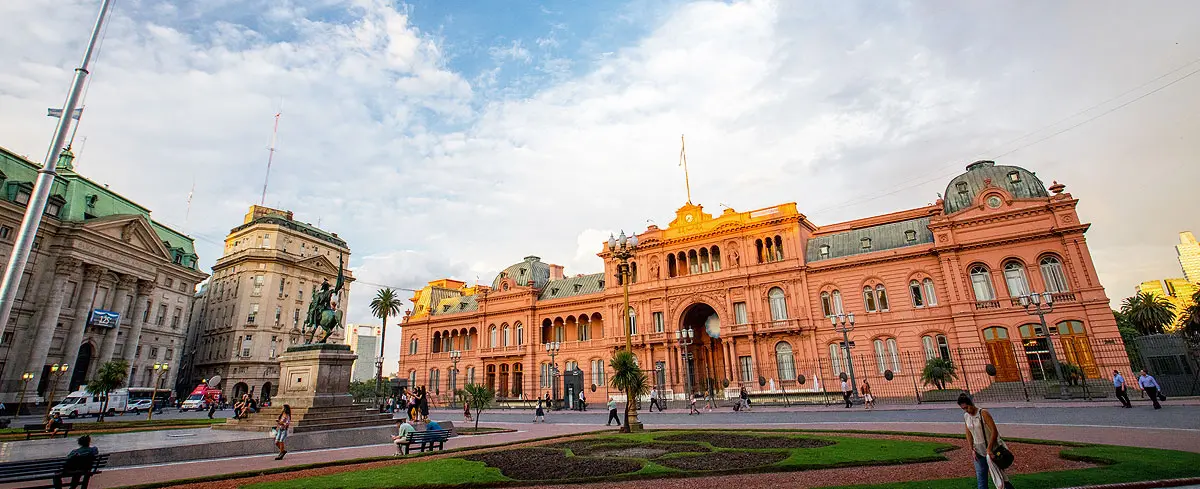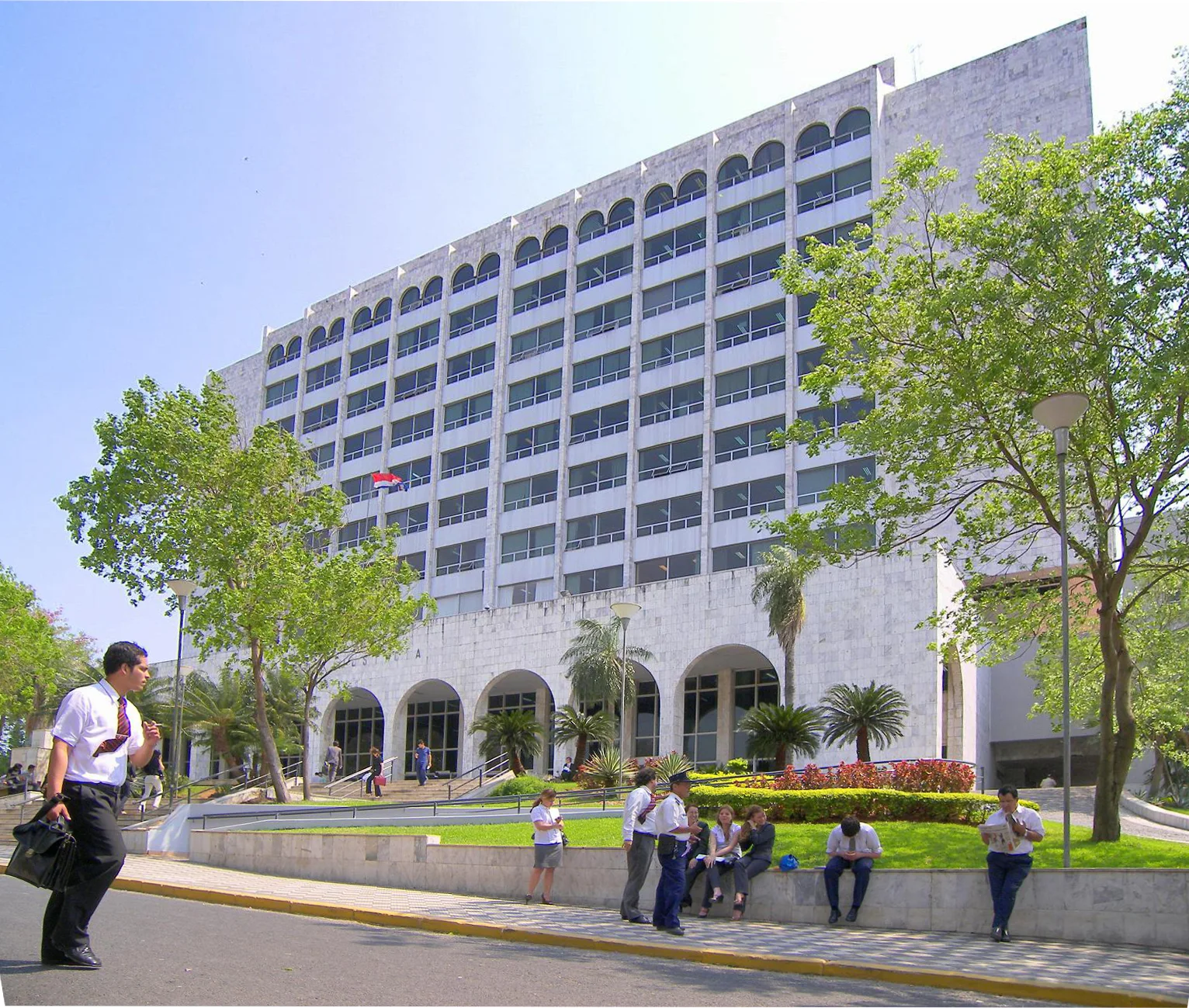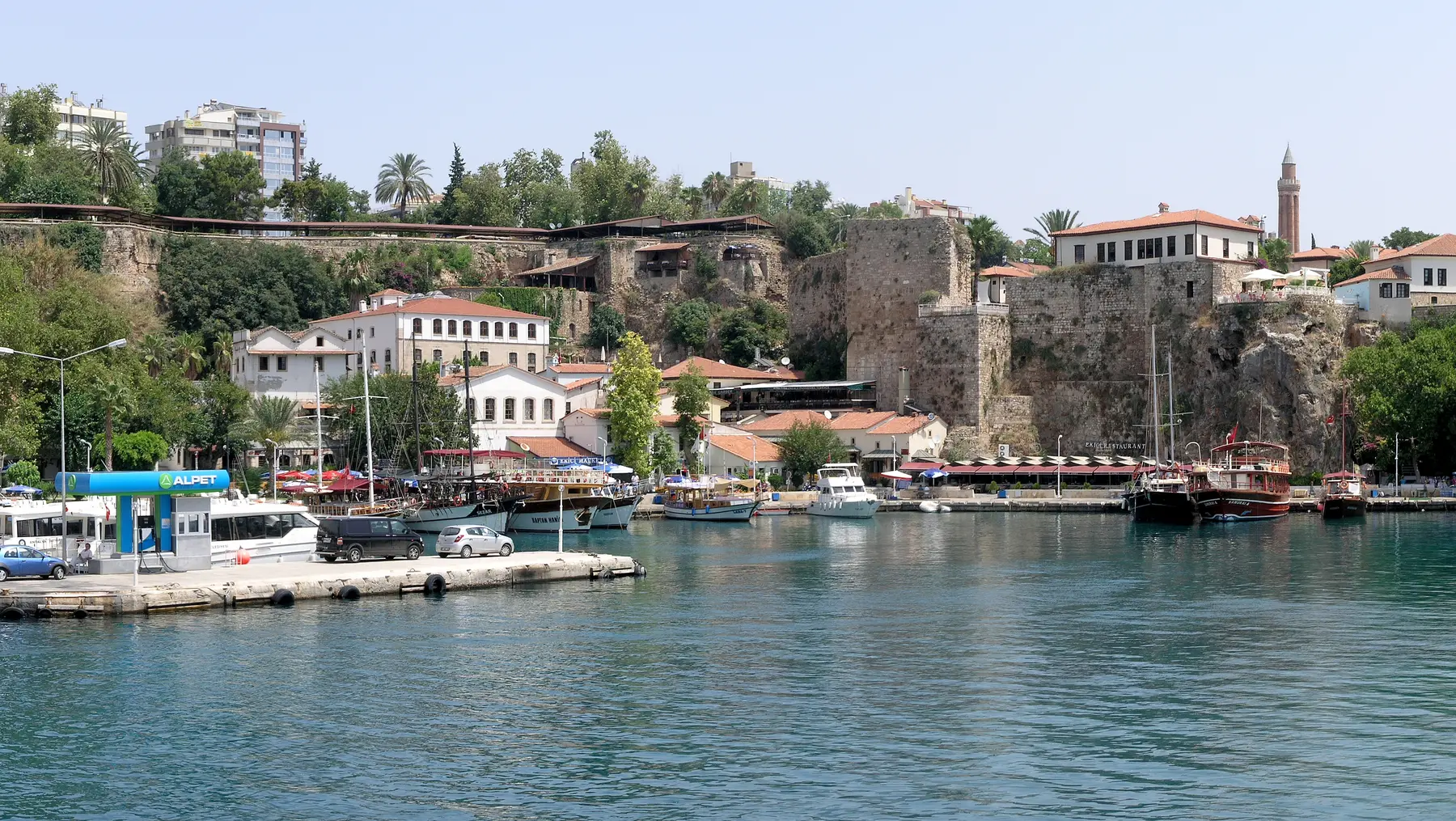
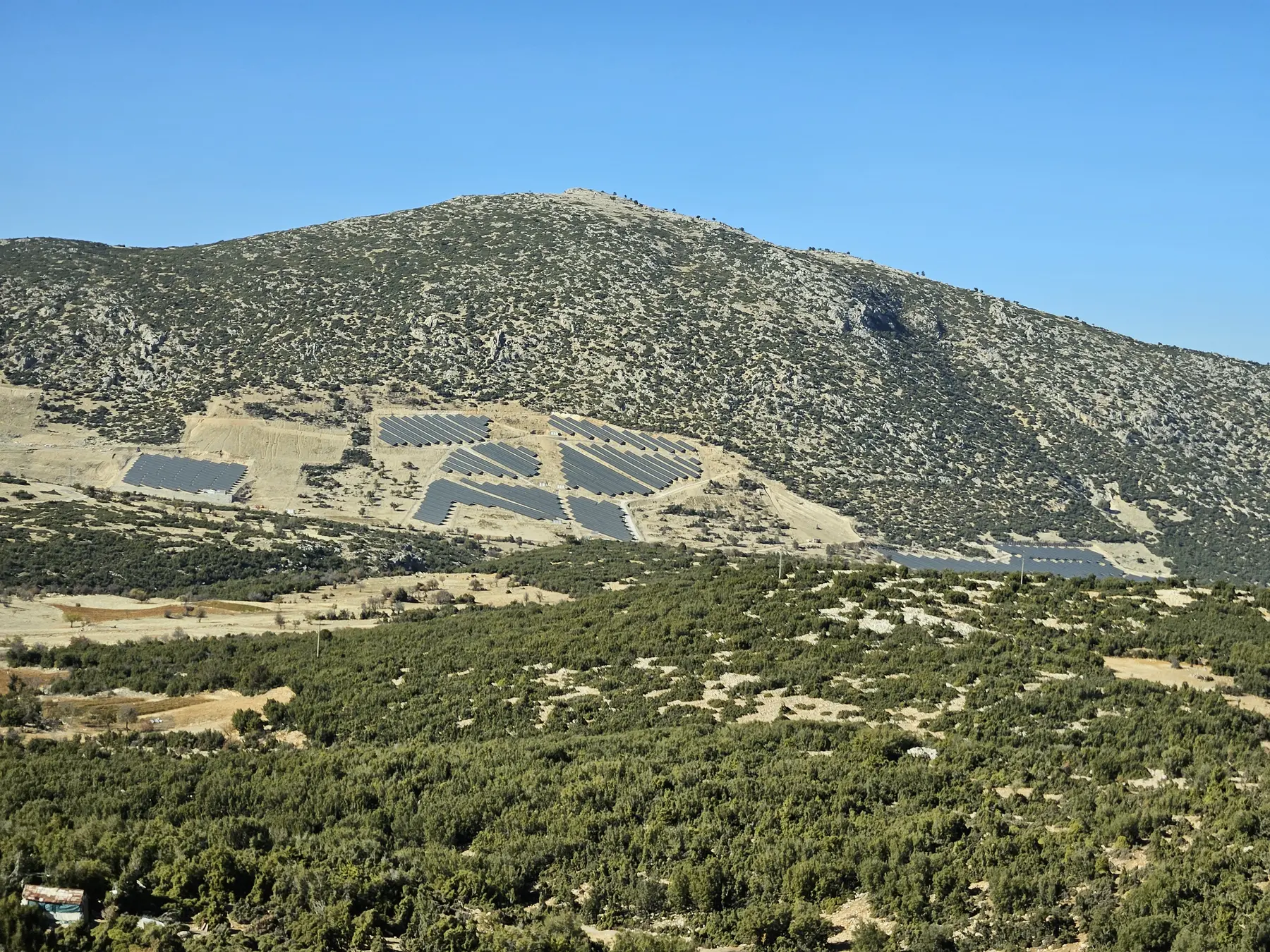
The UNFCCC's official page gives the COP31 dates and names Türkiye as host, Murat Kurum as the nominated COP president and Chris Bowen as president of negotiations. Its observer-arrangements page schedules the formal opening plenary for 10:00 a.m. local time on Nov. 9; this report was published before that scheduled start and does not claim that the plenary had already opened. Reuters independently reports the Presidency's 35% by 2035 goal and the political and energy-security pressures around the talks. The Presidency's pledge page was not retrievable during verification; its indexed official description and Reuters identify it as a pledge, while the IEA's September report independently gives the 23% baseline and a 35% high-electrification scenario. The IEA scenario is analysis, not a negotiated COP decision or forecast. The 350.org statement is presented as an advocacy position: it reports that 92 civil-society organizations called for renewable power, grids, storage, access and public finance safeguards. A bounded search of official COP31 galleries, publishers and licensed-agency originals found no actual-event still with established open reuse terms; agency images require licences. Two real archive/context photographs are used instead: Antalya Harbour (July 2010) and a solar array in Türkiye (Oct. 28, 2024). Neither depicts the COP31 venue or conference. Both originals, sources, licences and modification records are retained in public/newsroom/source-originals/cop31-opening-20261109. The harbour original (7,665 × 2,279) was centre-cropped to a horizontal 16:9 frame, resized to 1,800 × 1,015, converted to WebP quality 86 and stripped of metadata. The solar original (4,000 × 3,000) was proportionally resized to 1,800 × 1,350, converted to WebP quality 86 and stripped of metadata. No content retouching was applied. Both adaptations remain under their respective CC BY-SA licences; captions identify dates, creators, licences and contextual limits.
An opening under pressure to deliver
The United Nations climate conference is scheduled to begin in Antalya on Monday, with nearly 200 countries expected for two weeks of negotiations on emissions, adaptation and climate finance. The UNFCCC's programme lists the formal opening plenary for 10 a.m. local time on Nov. 9 and the conference through Nov. 20.
Türkiye is hosting the meeting and has nominated Environment Minister Murat Kurum as COP31 president; Australia's Chris Bowen will preside over the formal negotiations. Reuters reports that war-related energy disruption and rapidly rising electricity demand from artificial intelligence are adding pressure to this year's talks. The summit begins as governments weigh energy security against the need to cut emissions.
The Presidency has put a voluntary electrification pledge near the centre of its agenda. It asks governments to support a goal for electricity to supply 35% of global final energy consumption by 2035. That is a political target advanced by the host, not a result already agreed in the UN negotiations.
What the 35-by-35 goal measures
Final energy consumption is energy delivered to homes, businesses and industry after conversion. It includes petrol burned in vehicles and gas used for heating, as well as electricity. Electrification means replacing some direct use of fossil fuels with electric cars, heat pumps, cooking equipment and industrial processes.
The International Energy Agency says electricity made up about 23% of global final energy consumption in 2025. Its High Electrification Scenario reaches 35% by 2035, the same level sought by the COP31 Presidency. The IEA's scenario is a modelled pathway, not a prediction that countries will meet the target. The Agency says the emissions gains in that pathway depend on a substantial expansion of low-emissions power generation.
More electricity is not automatically cleaner
Electricity can displace oil and gas in transport, buildings and factories, but the climate effect depends on how it is generated. A grid that relies heavily on coal or gas can make electrification less effective at cutting emissions. Reuters reports that the Presidency's pledge does not require the additional electricity to be low-carbon, a gap climate advocates say could let fossil-fuel use persist even as the share of electricity rises.
A statement by 350.org says 92 civil-society organizations support electrification only with safeguards, including renewable power, expanded grids and storage, wider access to energy and public finance. That is an advocacy position, not a negotiated condition. It highlights the central test for the target: whether governments connect a higher electricity share to cleaner supply and practical changes in end-use sectors.
The next test is political
The first high-level leaders' segment is scheduled for Nov. 11 and 12. That will give governments a chance to show support for the Presidency's agenda, but signatures on a voluntary pledge would not by themselves change national energy systems or guarantee that power is cleaner.
The conference opens with a measurable ambition and an unresolved question about implementation. The target's value will depend on what countries do to build generation and grids, shift transport and heating away from fossil fuels, and make the transition accessible—not only on whether they endorse a number.
Sources
6 references
- UN Framework Convention on Climate ChangeCOP31 conference page: Antalya, 9–20 November 2026Primary source: conference dates, host and the division between Türkiye's presidency and Australia's negotiations presidency. · 2026-11-09
- UN Framework Convention on Climate ChangeArrangements for the Opening of the United Nations Climate Change Conference 2026Primary schedule: formal COP31 opening plenary set for 10:00 a.m. local time on Monday, Nov. 9. · 2026-11-09
- COP31 Türkiye PresidencyCOP31 35-by-35 Global Electrification PledgePrimary pledge page: describes the Presidency's voluntary proposal to raise electricity's share of global final energy consumption to 35% by 2035; the page timed out during direct retrieval, so the target is also checked against Reuters and the IEA. · 2026-09-21
- ReutersCOP31 to open in Turkey, with climate goals under pressure from war and AIIndependent reporting on the opening-day outlook, Türkiye's 35-by-35 goal, energy-security pressures, AI demand and criticism that the pledge does not itself require low-carbon electricity. · 2026-11-09
- International Energy AgencyElectrification: The Age of ElectricityPrimary analysis: electricity supplied about 23% of global final energy consumption in 2025; the IEA's High Electrification Scenario reaches 35% by 2035 and requires a substantial scale-up of low-emissions generation. · 2026-09-22
- 350.org92 civil-society organizations outline conditions for supporting COP31 electrification pledgeAdvocacy statement: says 92 organizations want renewable power, grid and storage investment, energy access and public finance safeguards alongside the target. · 2026-09-24