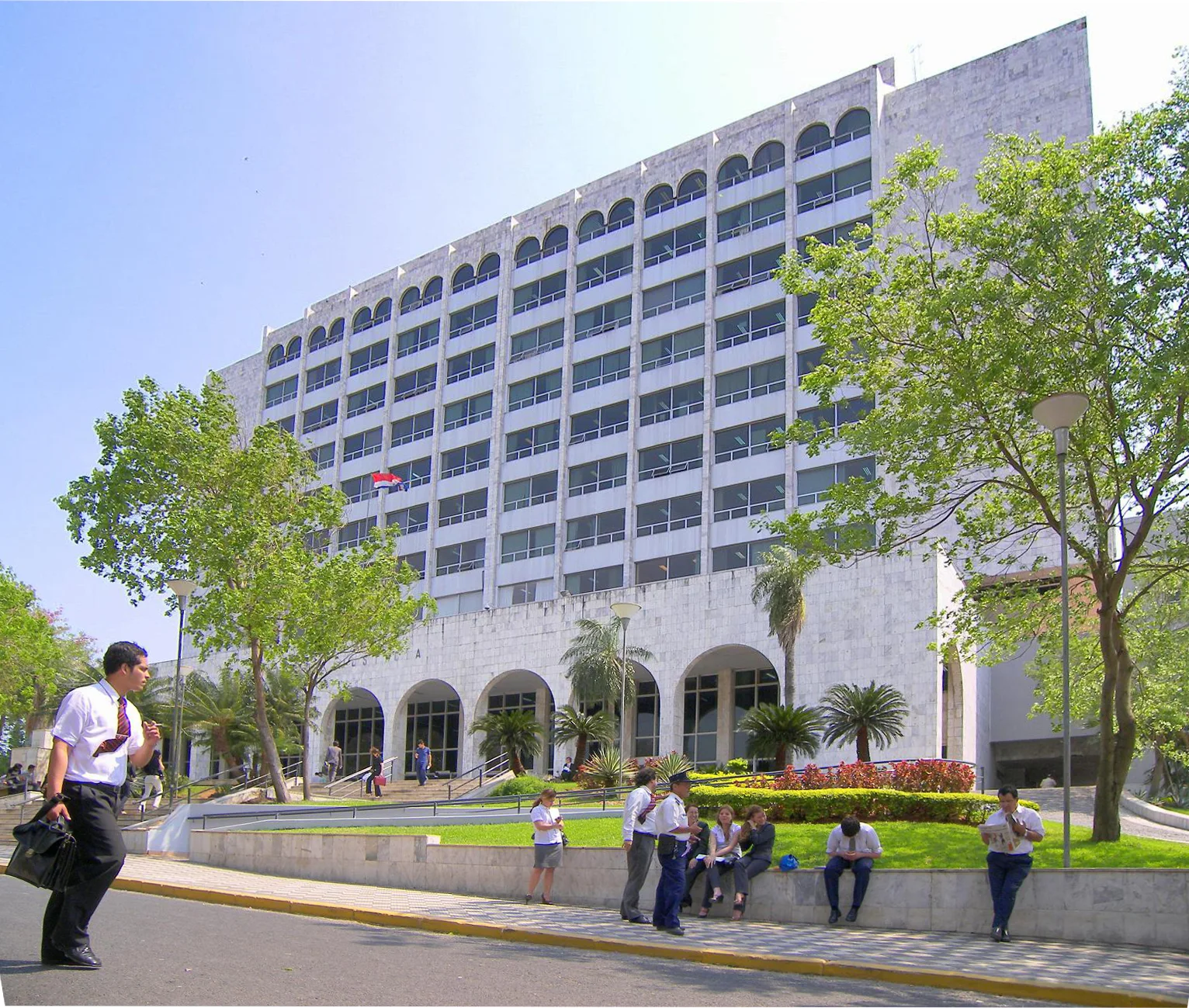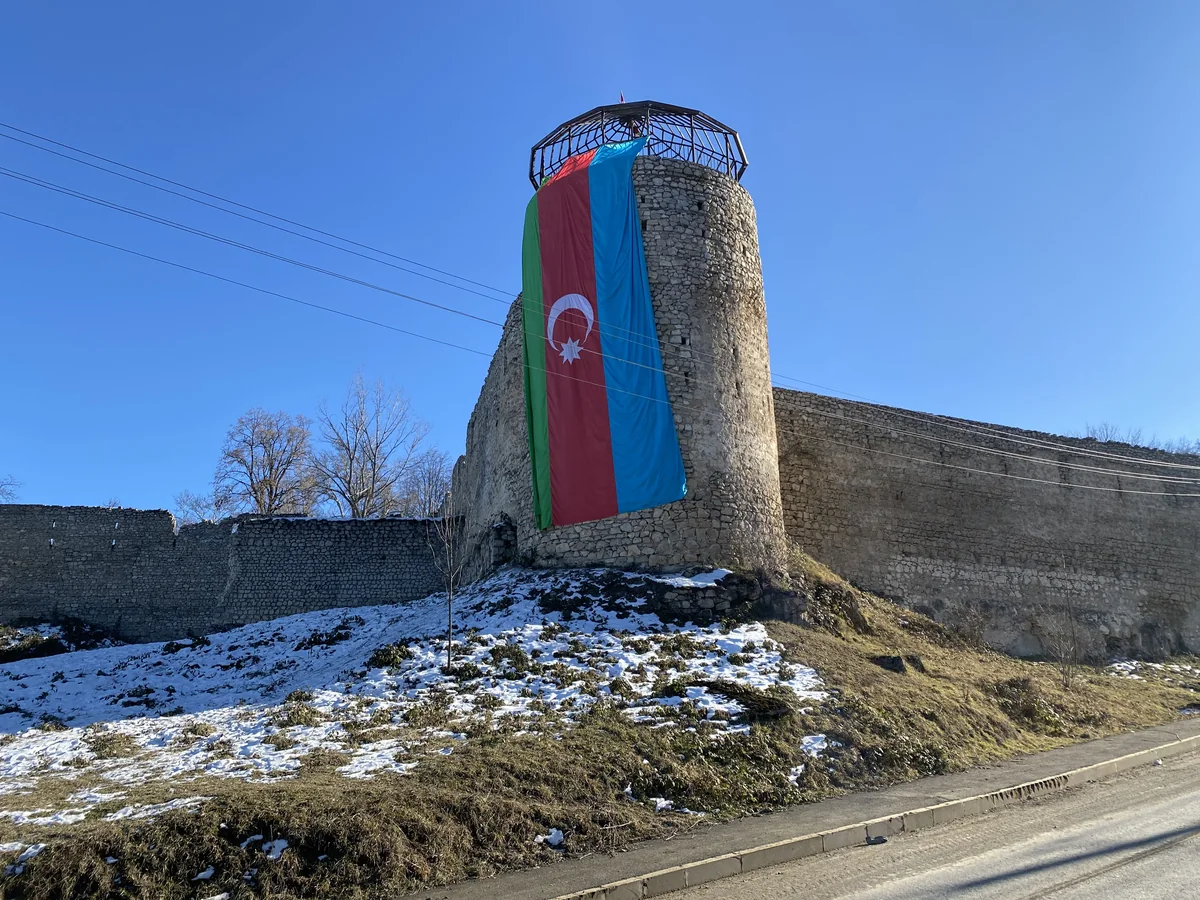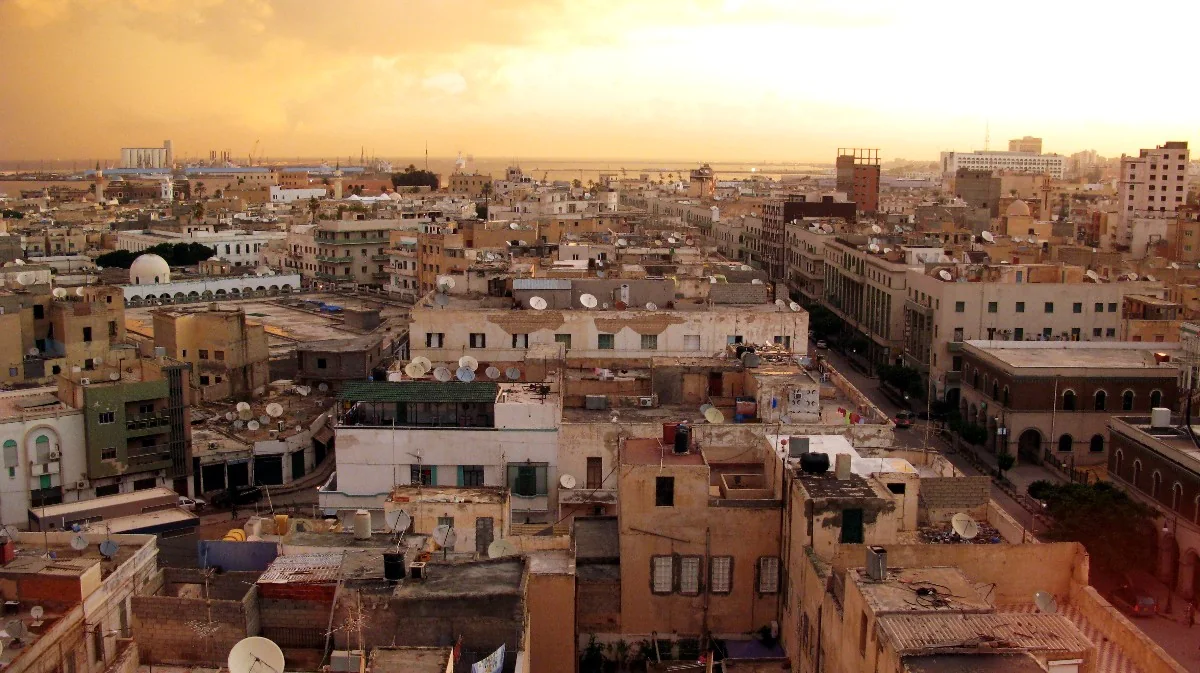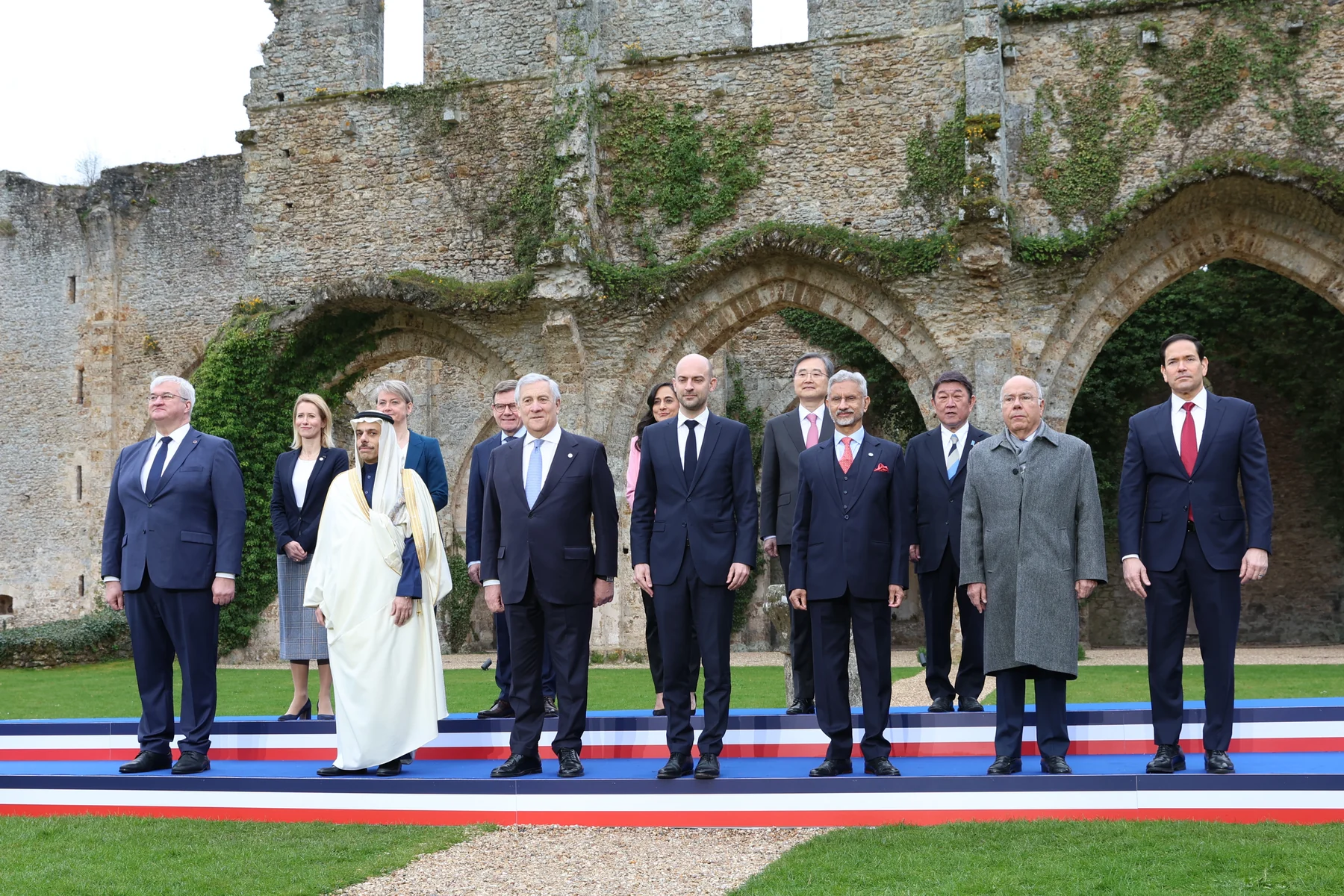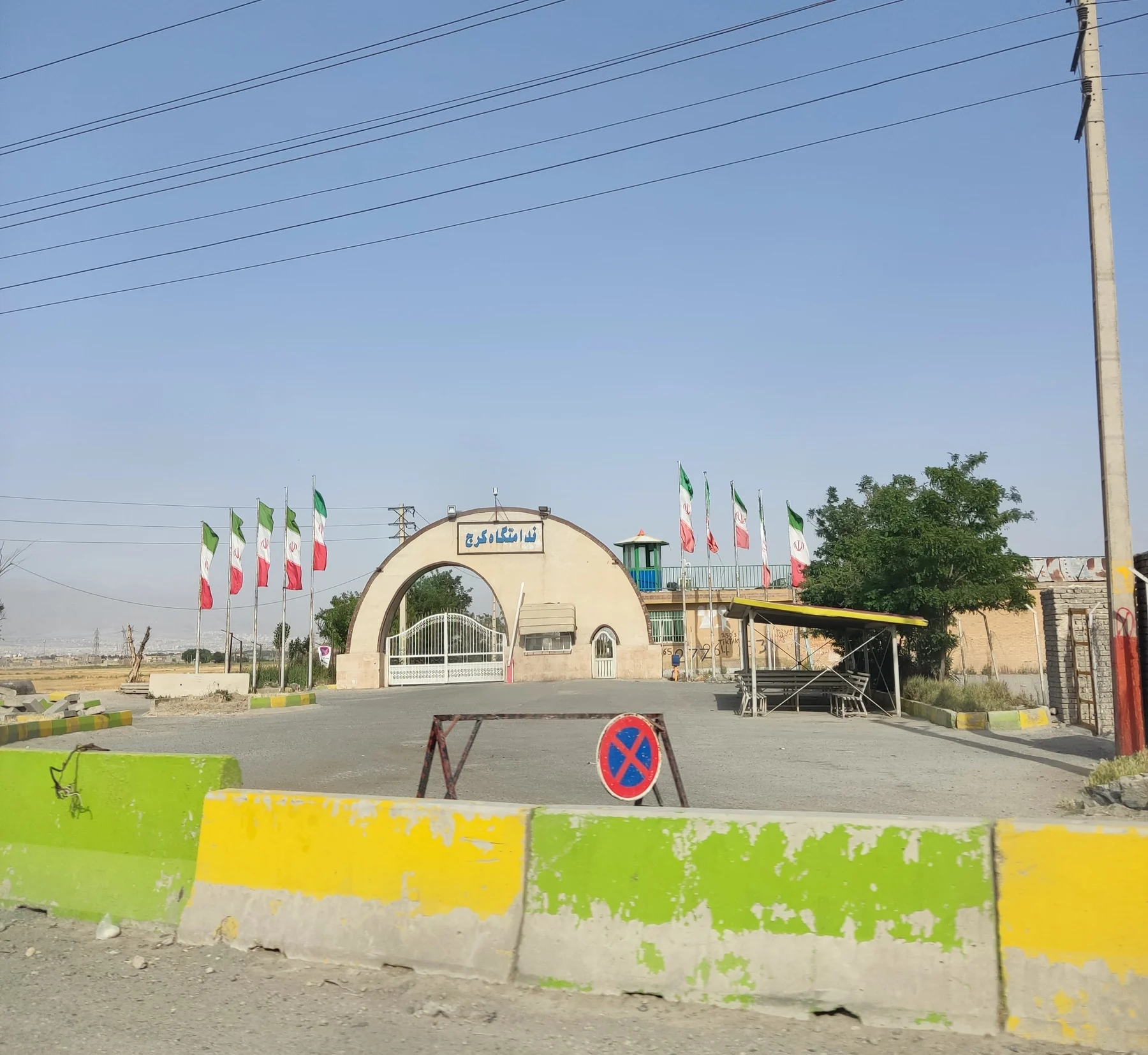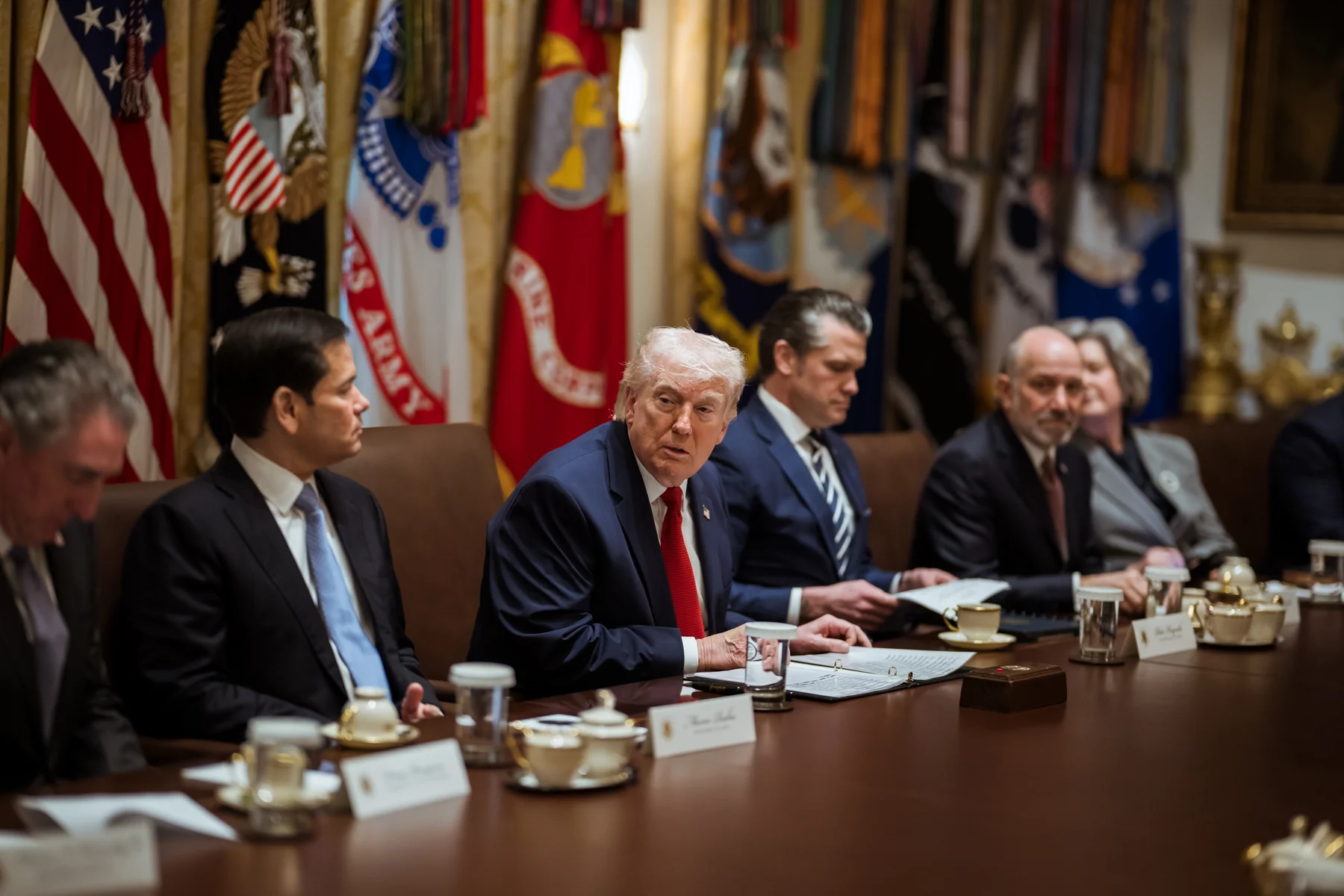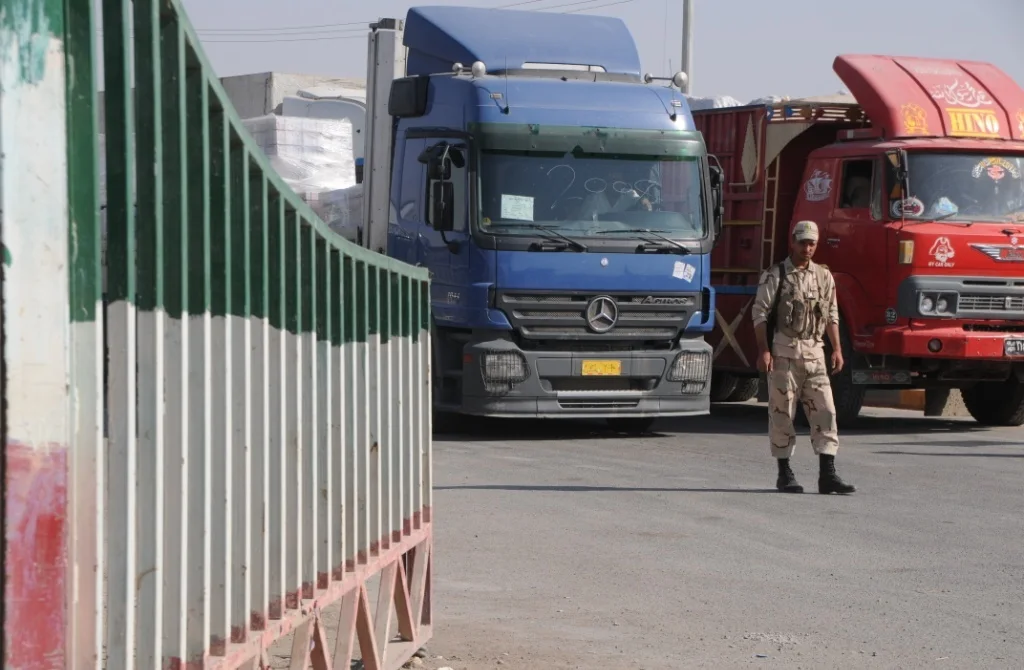
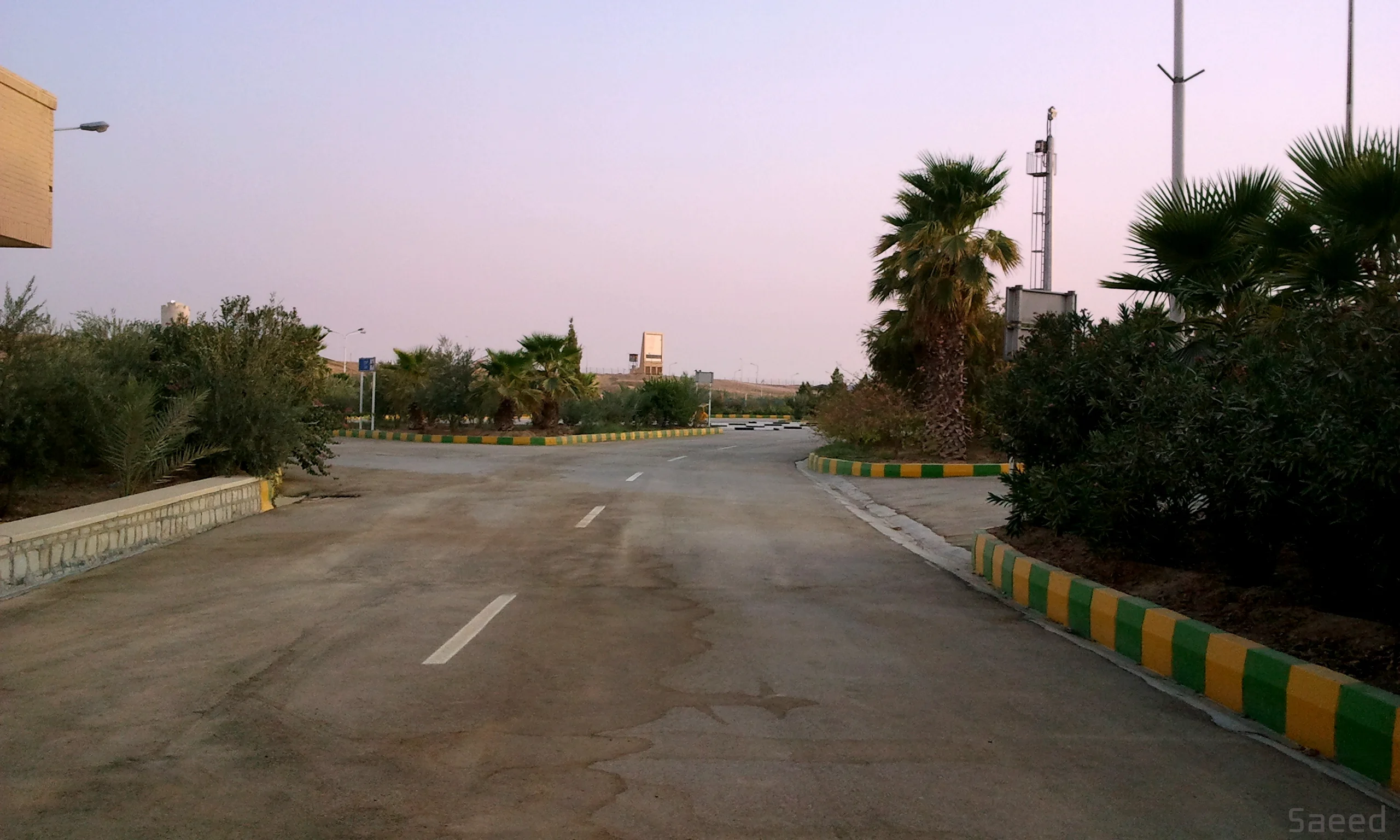
Foreign Minister Fuad Hussein said in an Al Jazeera interview that the US Treasury asked Iraq to close all but two crossings with Iran; Reuters and Anadolu Ajansı reported his account, but the Treasury’s Oct. 1 readout of his meeting with Secretary Scott Bessent does not mention border closures, and no public US statement confirming the request was located. Al Jazeera and Anadolu report that the exceptions are not identified and the proposed scope is unclear. Iraq-based 964media reports that the Sadiqoun bloc sought a consistent government explanation after Hussein’s account differed from earlier official reasons for closing al-Sheib; Hussein did not say the US request caused that earlier closure. The same outlet reports that the Badr bloc rejected the demand and urged reopening of closed crossings. A bounded search for photographs of the current request found only event images offered under agency terms, with no reusable permission established. The images are explicitly dated archive context: a US Army photograph of trucks at Shalamsha on Nov. 18, 2010, and a Khosrawi border-point photograph by Drsaeed90 dated Aug. 11, 2011. Neither depicts the current negotiations. The Army photo file available on Commons had already been cropped before download; the newsroom made no further crop or content retouching. Both original files are retained under public/newsroom/source-originals/iraq-iran-crossings-20261108; display copies were converted to WebP at quality 84. The Khosrawi adaptation is shared under CC BY-SA 3.0.
A request under discussion, not an order in force
Iraq is discussing a US request to close all but two border crossings with Iran, Foreign Minister Fuad Hussein said on Sunday, warning that a wider shutdown would disrupt trade and movement and hurt Iraq’s economy.
Hussein described the request in an interview with Al Jazeera. Reuters reported that the US Treasury made it as part of Washington’s effort to increase economic pressure on Tehran. Baghdad has not announced that it will carry out the request. Hussein said discussions with US officials were continuing and that many official and unofficial crossings make a full closure difficult.
The distinction matters: the public account is of a request, not a border closure agreed by Iraq. No US Treasury statement or document confirming it was found in the sources reviewed.
Two crossings, still unnamed
Hussein said one of the two proposed exceptions would be in Iraq’s Kurdistan Region and the other elsewhere in the country. Neither has been identified. It is also unclear whether the proposed restrictions would cover commercial trucks, visitors or all border movement, Anadolu Ajansı reported from the interview.
That leaves basic details unsettled for people and businesses on both sides of the border. Hussein said closing the crossings would stop trade and movement and could harm Iraq economically. His warning is a statement of the government’s concern; the published reports do not quantify the likely cost or describe a settled alternative for freight.
The Sheib closure raises a separate question
Iraq closed the al-Sheib crossing in Maysan province to goods and travelers on Oct. 21. Officials then cited technical and logistical work and efforts to stop smuggling, counterfeit currency and drugs, according to 964media. A government adviser publicly ruled out US pressure at the time.
After Hussein disclosed Washington’s broader request, the Sadiqoun parliamentary bloc called for one official explanation of the Sheib decision, saying the two accounts raised questions. The bloc belongs to the ruling Coordination Framework, 964media reported. As of Sunday afternoon, the outlet said, the government had not publicly reconciled the explanations.
Hussein did not say that al-Sheib was one of the crossings Washington wanted closed or that the October shutdown resulted from the request. The available reporting therefore does not establish a link between that earlier measure and the proposal he described.
The Badr parliamentary bloc also rejected the US demand and called for closed crossings to be reopened, 964media reported. Badr and Sadiqoun both belong to the governing Coordination Framework, the alliance of Shiite parties, according to the outlet. Their statements show objections inside the ruling bloc, but they are not decisions by Iraq’s cabinet.
What Baghdad has yet to decide
For now, Iraq’s position is defined by the competing concerns Hussein described: pressure on Iran, border control, and the cost to Iraq of interrupting commerce and travel. The identities of the two proposed open crossings, the categories of traffic affected and any Iraqi commitment remain unsettled in the public record.
Those unanswered questions will determine whether the request becomes a targeted security arrangement or a much broader interruption to cross-border life and trade.
Sources
6 references
- ReutersUS asks Iraq to shut most Iran border crossings, Iraqi foreign minister saysReports Hussein’s account, his warning that closing numerous official and unofficial crossings would be difficult and economically damaging, and that talks with Washington continue. · 2026-11-08
- Al JazeeraIraq’s FM says external parties using Iraqi soil to attack neighboursPrimary interview source: identifies the statement as Hussein’s and reports that he confirmed a US request to close all but two crossings; it does not identify the proposed crossings. · 2026-11-07
- Anadolu AjansıUS asks Iraq to close all but 2 border crossings with Iran: Iraqi foreign ministerReports further detail from the same Al Jazeera interview: one exception would be in the Kurdistan Region, neither crossing has been named, and Hussein said it was unclear whether restrictions would cover visitors, commercial traffic or all movement. · 2026-11-08
- 964mediaAsaib bloc demands one account of why Iraq shut Iran crossingLocal reporting on Sadiqoun’s call for one official explanation after Hussein’s account and the government’s earlier technical and anti-smuggling reasons for the Oct. 21 al-Sheib closure; records that the government had not publicly commented by Sunday afternoon. · 2026-11-08
- U.S. Department of the TreasuryReadout: Secretary Scott Bessent’s meeting with Iraqi Foreign Minister Fuad HusseinPrimary-source readout of an earlier Bessent-Hussein meeting; it mentions U.S. pressure on Iran under Operation Economic Outcast but does not mention a border-crossing request. · 2026-10-01
- 964mediaBadr bloc demands Iraq reopen Iran crossings, rejects US “dictates”Local reporting on Badr’s rejection of the demand and call to reopen closed crossings, as well as the government’s earlier stated reasons for al-Sheib’s closure. · 2026-11-08