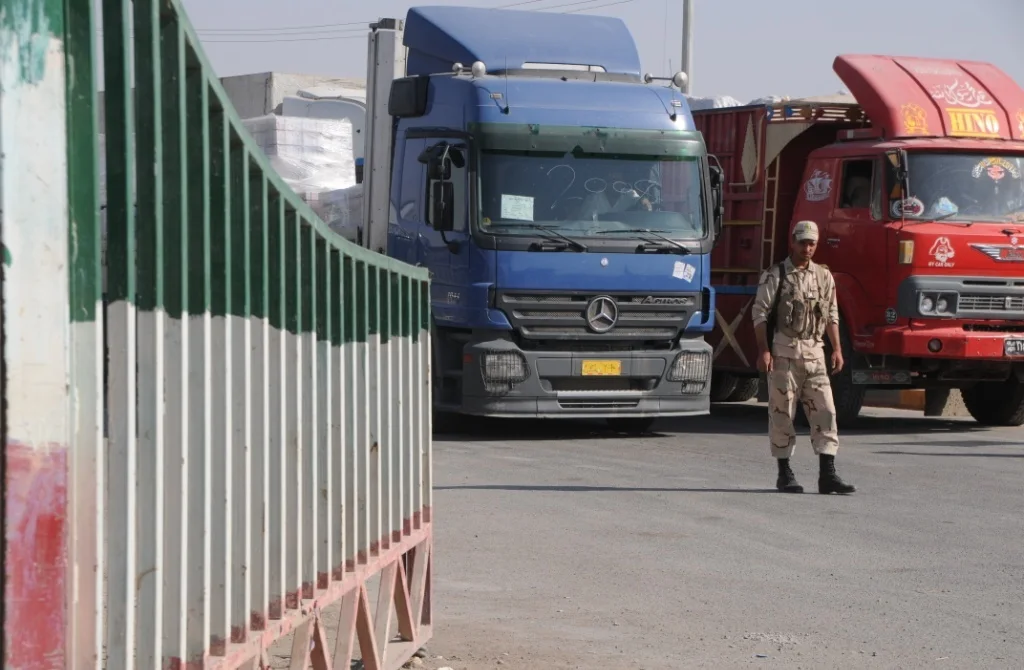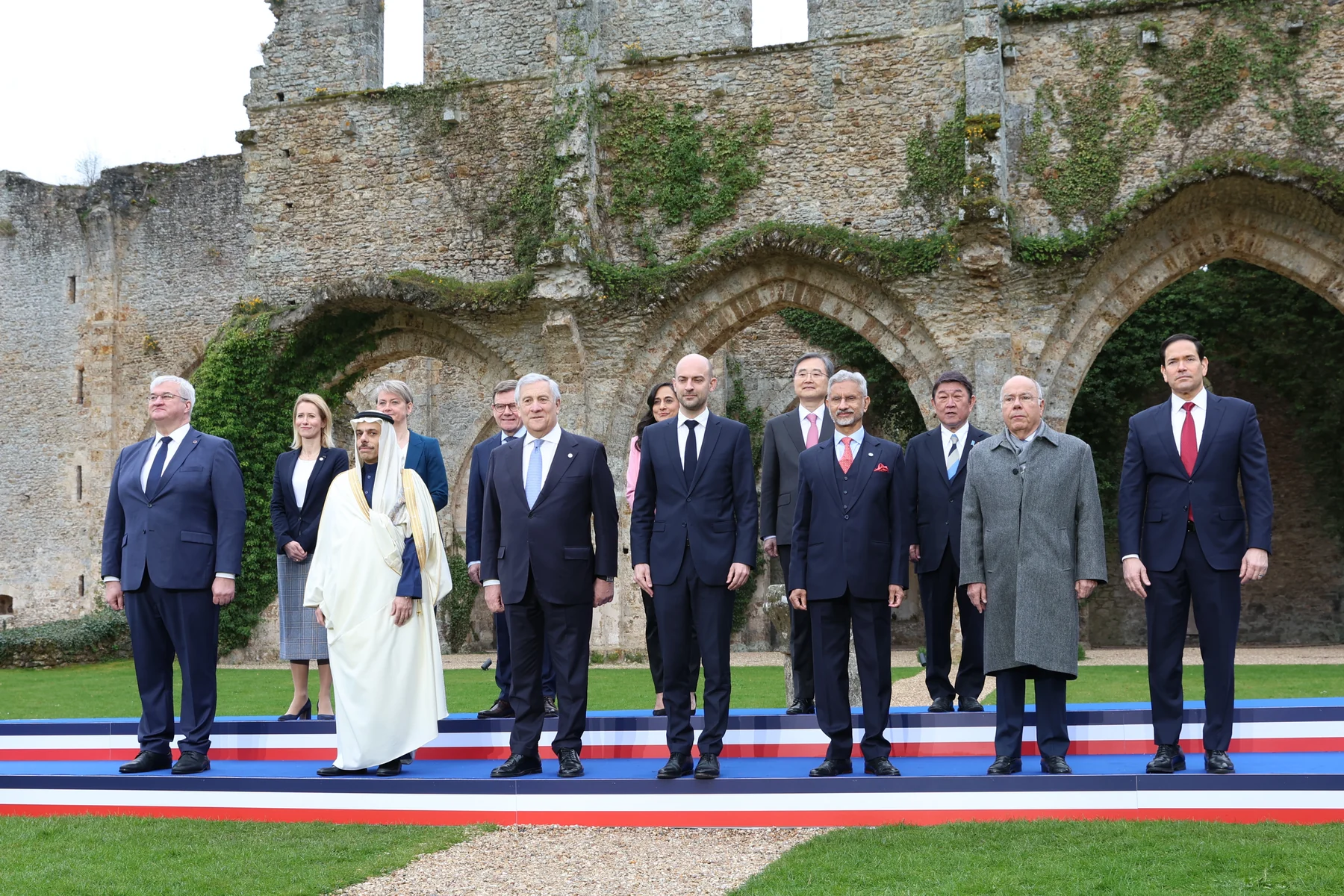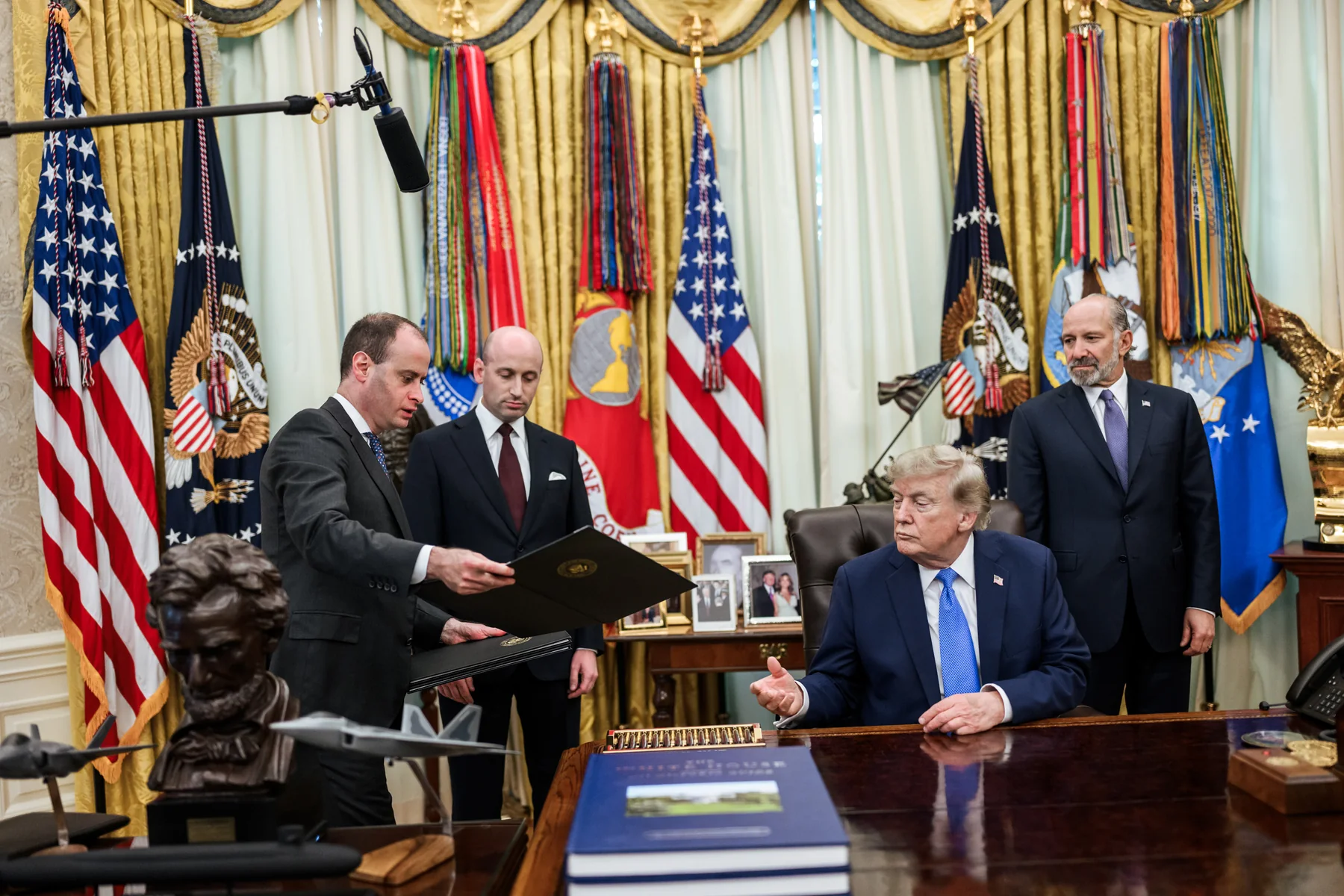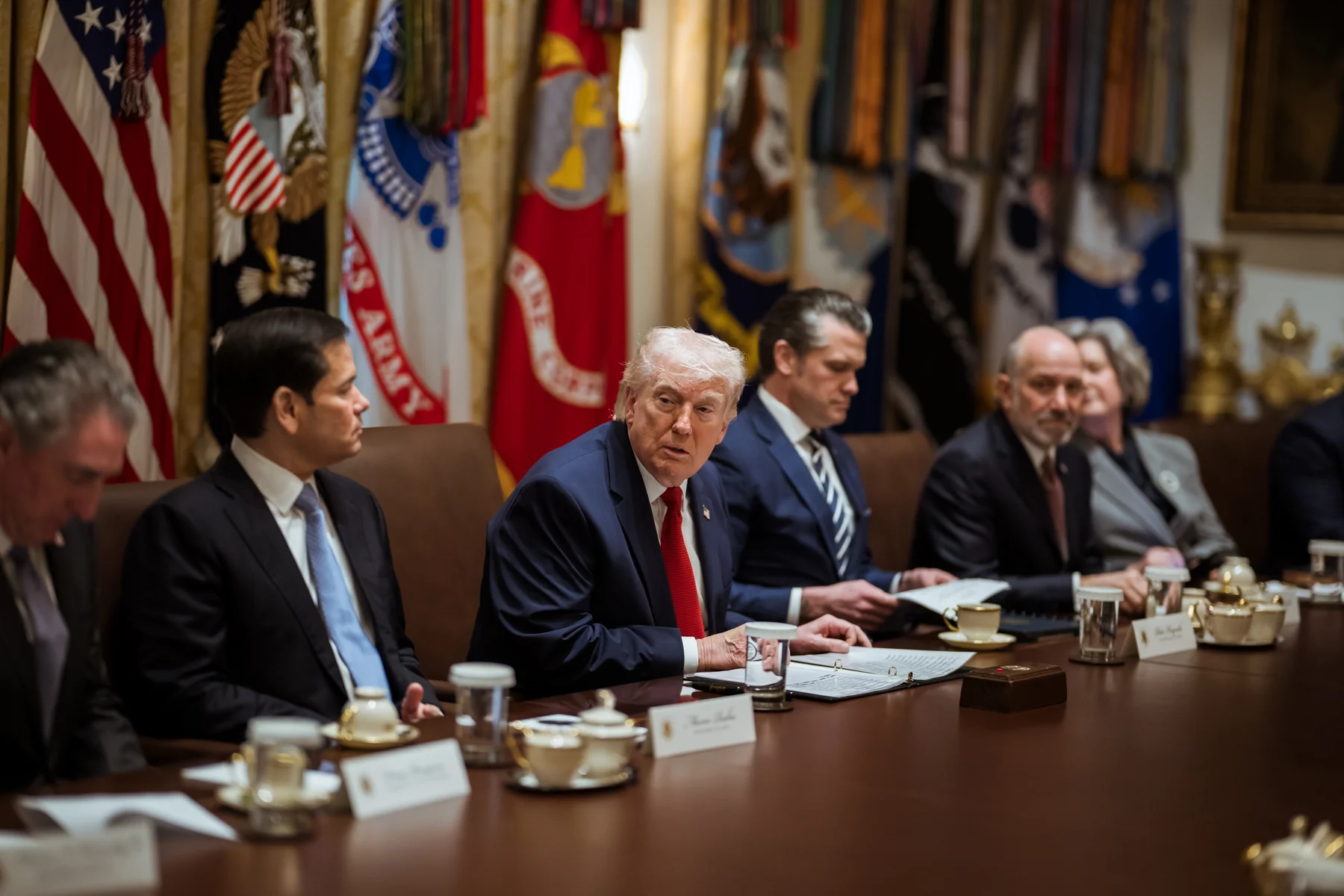
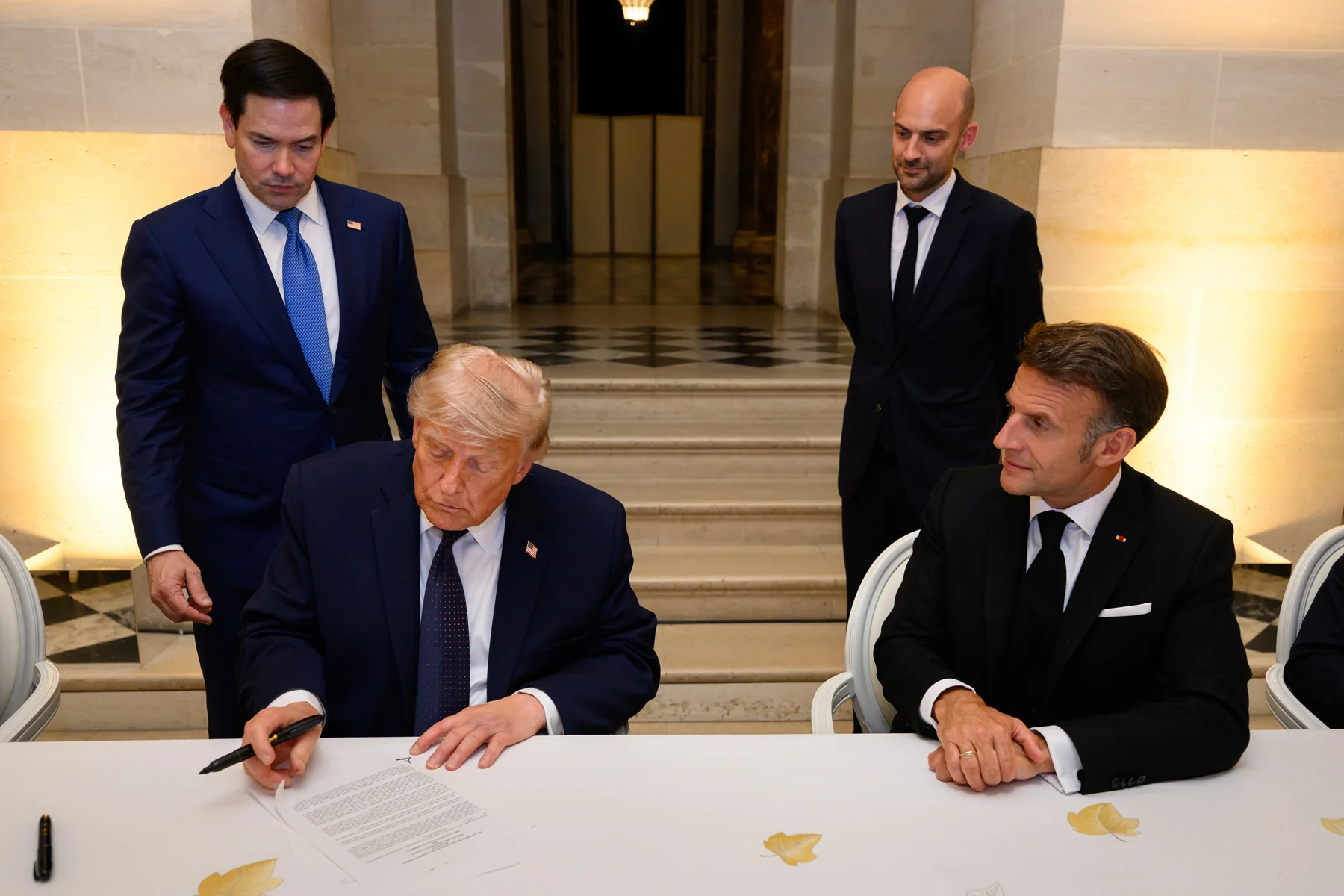
Reuters and The Associated Press both attribute Trump’s Nov. 8 remarks to the same CNN phone interview; the accessible reporting reviewed did not include a CNN transcript, so these are not two independent recordings of the interview. Trump’s statement that 38 bridges had been identified is attributed to him; no target list or independent confirmation of that number was available. AP’s account of Qatar’s two-day proposal and Iran’s negotiating position relies on two regional officials who spoke anonymously; the proposal was discussed, not accepted. The photos are dated archive/context images from March 26 and June 17, 2026. Neither depicts the Nov. 8 interview or current talks. The White House identifies the photographers and states that government-produced material on its site is not copyright protected.
A conditional signal after fresh strikes
President Donald Trump said on Sunday, November 8, that renewed U.S. attacks on Iran were “highly unlikely” if negotiations to end the conflict continued to progress. In a phone interview with CNN, he said the outcome depended on whether the sides signed a “very strong agreement,” Reuters reported.
In the same interview, Trump said the United States had identified potential infrastructure targets, including 38 bridges that he claimed could be destroyed quickly. CNN did not specify the question that prompted his remarks. The reports reviewed did not include a target list or independent confirmation of the number.
The comments followed a U.S. strike on an Iranian air-defence system on Friday, which Trump described to reporters as limited, AP reported. Iranian state media reported explosions on Qeshm Island. AP said the strikes were the first since the U.S. midterm elections.
Mediators are trying to bridge unresolved terms
The diplomatic path remains unsettled. AP reported Friday that Qatar had presented a two-day proposal aimed at narrowing differences over Iran’s nuclear programme. Two regional officials told the news agency that Iran was not yet willing to negotiate its nuclear activities until the United States addressed several conditions Tehran wants included in any ceasefire arrangement.
The officials described a possible sequence in which Washington would lift its blockade and release some frozen Iranian funds, while Tehran would allow International Atomic Energy Agency inspectors to visit sites hit in earlier attacks. A later step would reopen the Strait of Hormuz. AP reported that the proposal was still being discussed; it was not an agreement between the governments.
No agreement or change in military posture announced
Trump did not set out the terms of the “very strong agreement” he wants, give a timetable for negotiations or say that an accord had been reached. His remarks therefore signal a conditional preference for talks, while leaving the military option and the stated target claim in view.
The accessible accounts of the Sunday interview do not establish whether Washington or Tehran has accepted a new negotiating framework. The immediate test is whether mediators can turn the proposals under discussion into terms both governments will accept.
Sources
2 references
- ReutersTrump says he is unlikely to order Iran attack if talks progress, CNN reportsSame-day report of Trump’s CNN phone interview. Reuters attributes the remarks to CNN and says the interview question was not specified; it records both his conditional statement about strikes and his claim about 38 bridges. · 2026-11-08
- The Associated PressUS military carries out new targeted strikes on Iran as Tehran’s leaders weigh mediator’s proposalsReports Trump’s account of Friday’s limited strike, the reported explosions on Qeshm, and the negotiations’ unresolved issues. It says two regional officials described a Qatari proposal as under discussion, not accepted. · 2026-11-07