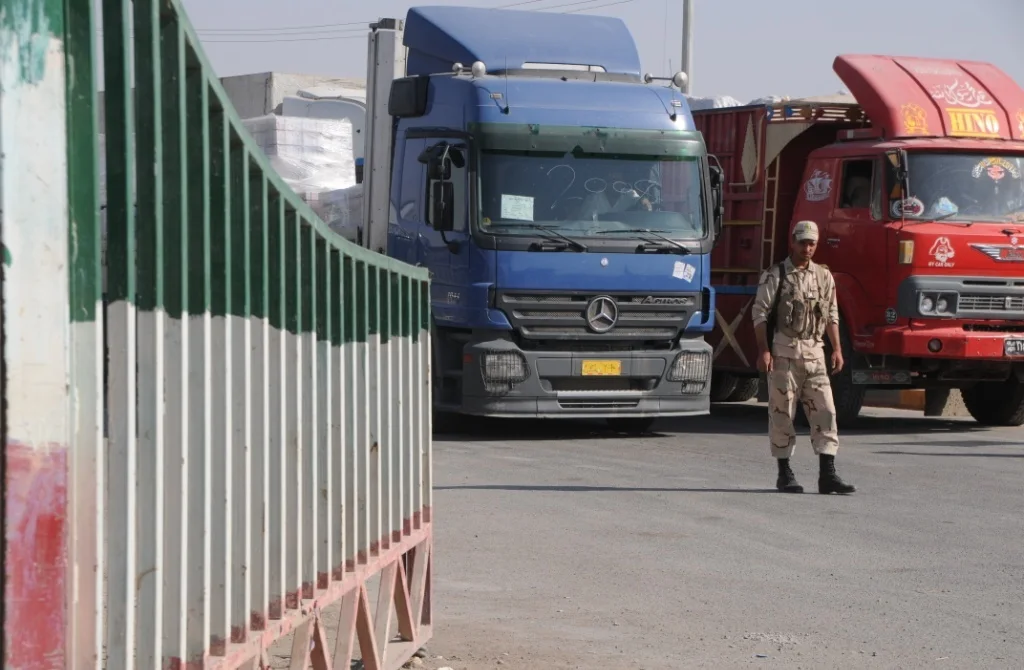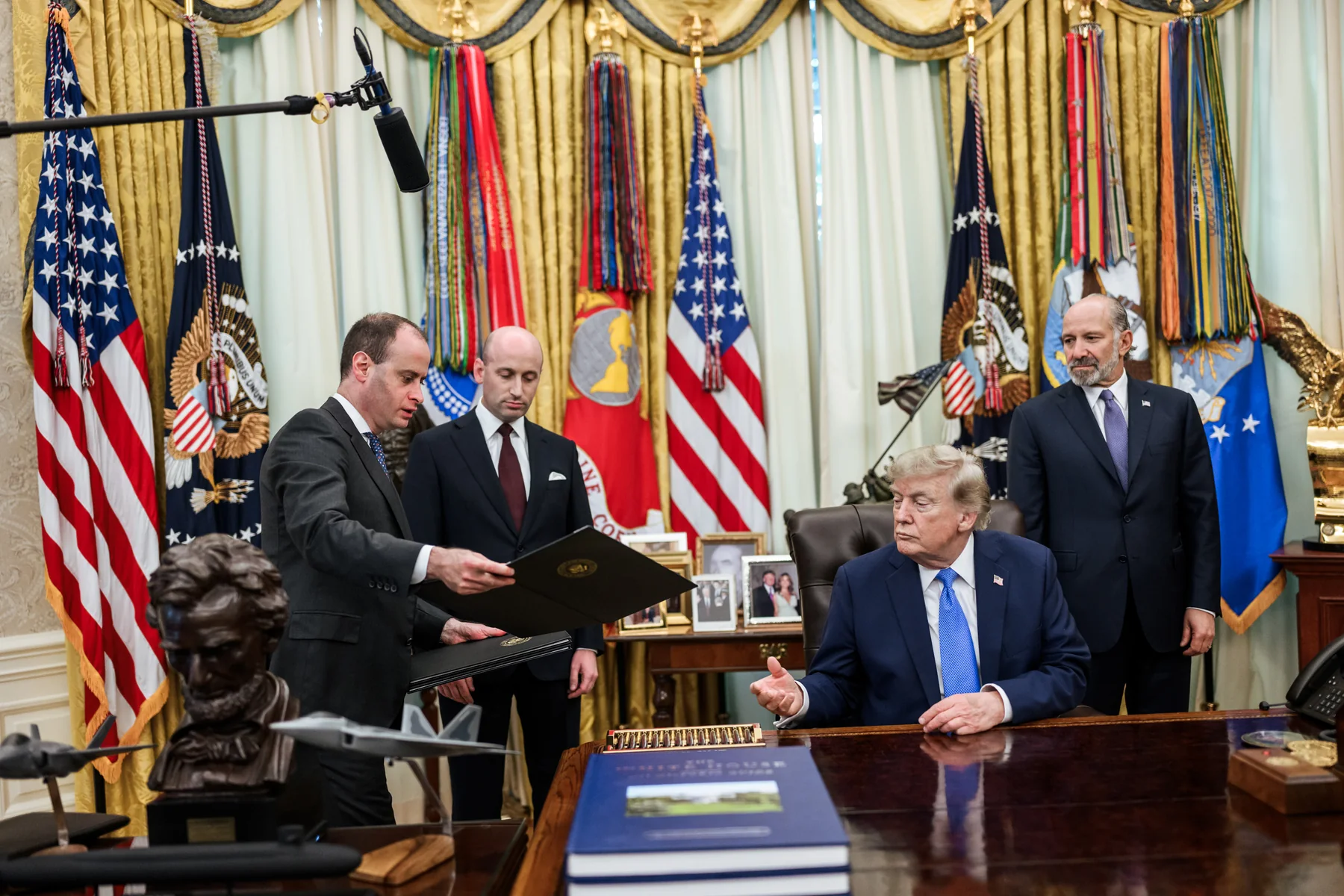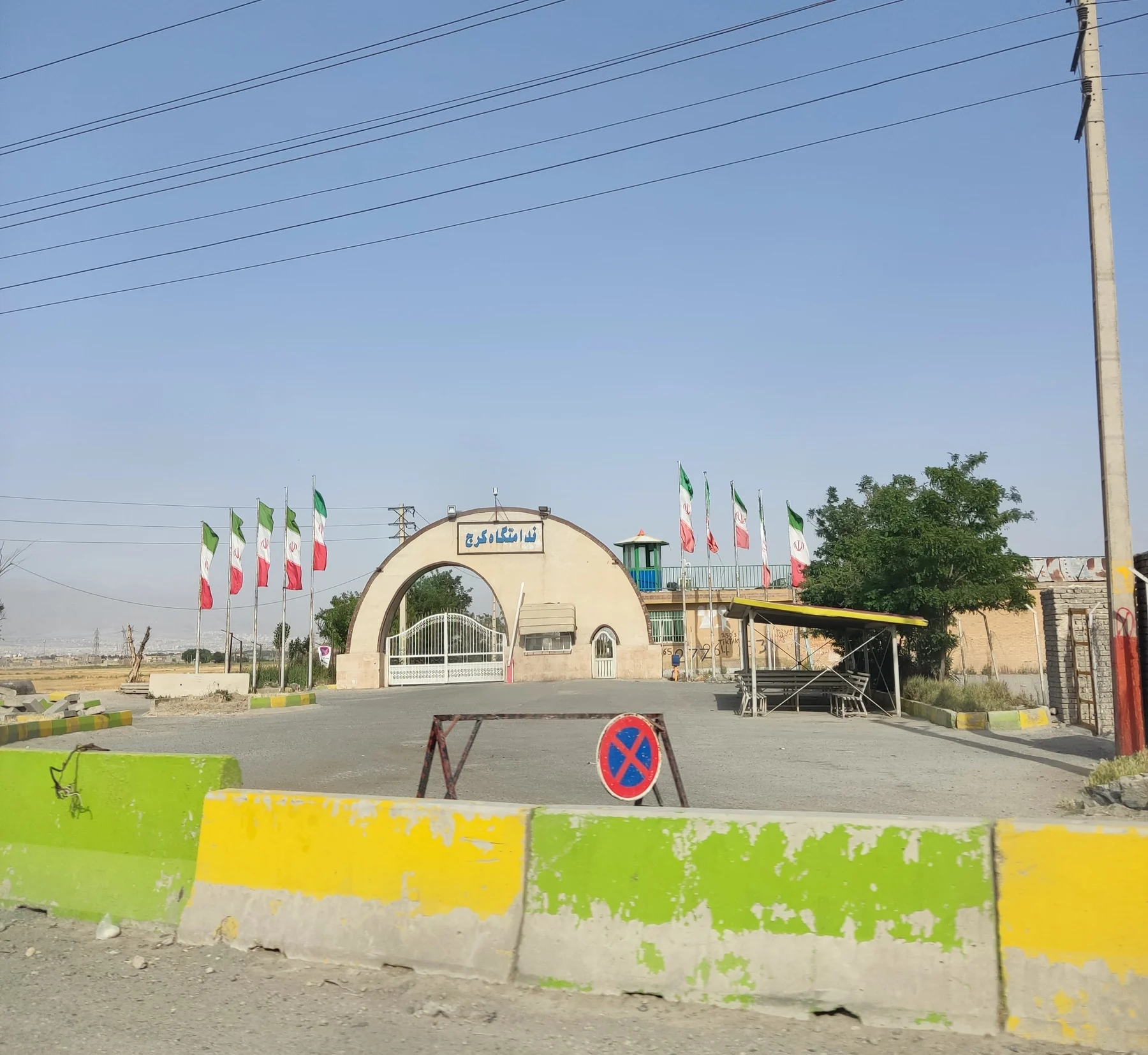
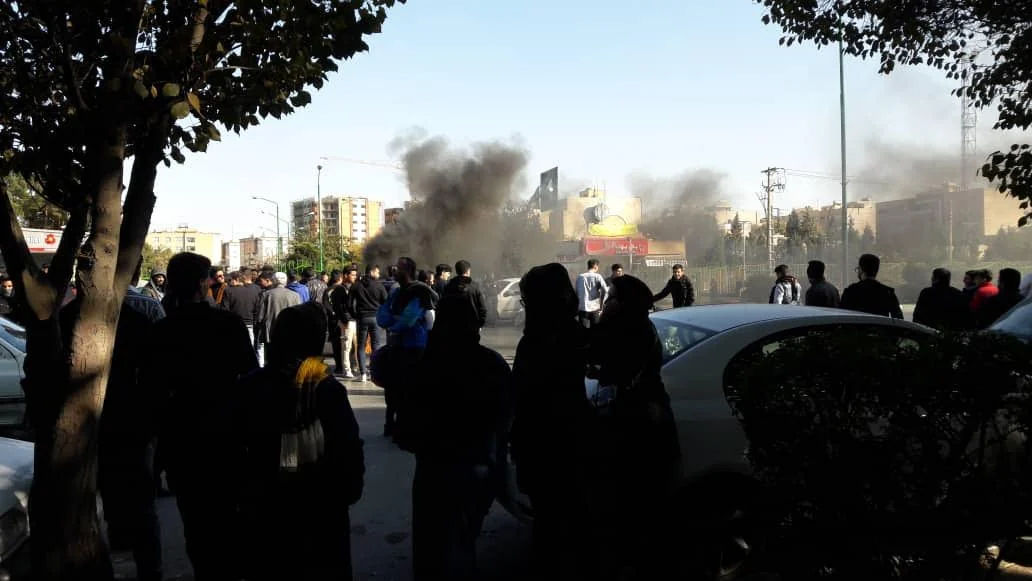
Reuters and The Associated Press report the executions from Iranian state media accounts; both accounts say the judiciary’s charges included armed activity during protests and that the Supreme Court upheld the sentences. Their reporting is independent, but the underlying assertions come from Iranian authorities, not two independent records. The full judgment, defense accounts and evidence presented at trial were not available in the sources reviewed. AP reports rights groups’ broader criticism of secretive proceedings and due-process protections; that context does not establish the process in these three cases. The article omits names because English-language reports use differing romanizations and the court record was not available for verification. Actual-event photos from news agencies were offered for licensing, and reuse rights could not be established. Both images used are real, dated archive context under CC BY-SA 4.0: Ghezel Hesar Prison photographed May 20, 2022, and a protest in Isfahan on Nov. 13, 2019. Neither image depicts the Nov. 8 executions or the January 2026 protests; public reporting reviewed did not establish the prison photograph as the execution site.
The judiciary’s allegations
Iran executed three men on Sunday, Nov. 8, after state media said the Supreme Court had upheld their death sentences over armed unrest during January’s anti-government protests in Karaj, northwest of Tehran.
The judiciary accused the men of carrying out operations for Israel and the United States, using firearms, grenades and Molotov cocktails, setting fires at public facilities and damaging an electrical substation. These are the government’s allegations, as reported by Reuters and The Associated Press; the reports do not independently establish the underlying acts.
Reuters reported that the death sentences included confiscation of the men’s assets. Ten other defendants in the case received prison terms of five to 10 years, according to the same account.
The public record is limited
Reuters and AP both say the executions were reported by Iranian state media, which attributed the convictions and the Supreme Court review to the judiciary. The two agencies provide independent reporting, but their accounts trace back to the same government case narrative.
The material reviewed did not include the full written judgment, defense statements or the evidence presented in court. AP also notes that human-rights groups have raised broader concerns about secretive trials and due process in Iran. Those concerns do not establish what procedural protections these three defendants received.
A security case after nationwide protests
The convictions tie the executions to demonstrations that spread across Iran in January. Authorities described the case as armed attacks and sabotage; the reporting available on Sunday did not independently test those allegations against the court record.
The executions are complete, but the public account remains largely the state’s: the men were convicted, their sentences were upheld and they were put to death. The accessible sources do not show how the defendants challenged the charges or what evidence the court relied on.
Sources
2 references
- ReutersIran executes three men over armed unrest during January protestsIndependent reporting of Iranian state media and judiciary accounts. Reports the convictions, allegations, Supreme Court review, completed executions and sentences for other defendants. · 2026-11-08
- The Associated PressSaudi Arabia intercepts missiles as Aramco building in Riyadh is damaged, and other Mideast newsIndependent regional roundup; its Iran section attributes the executions and convictions to state television and summarizes broader human-rights concerns. · 2026-11-08