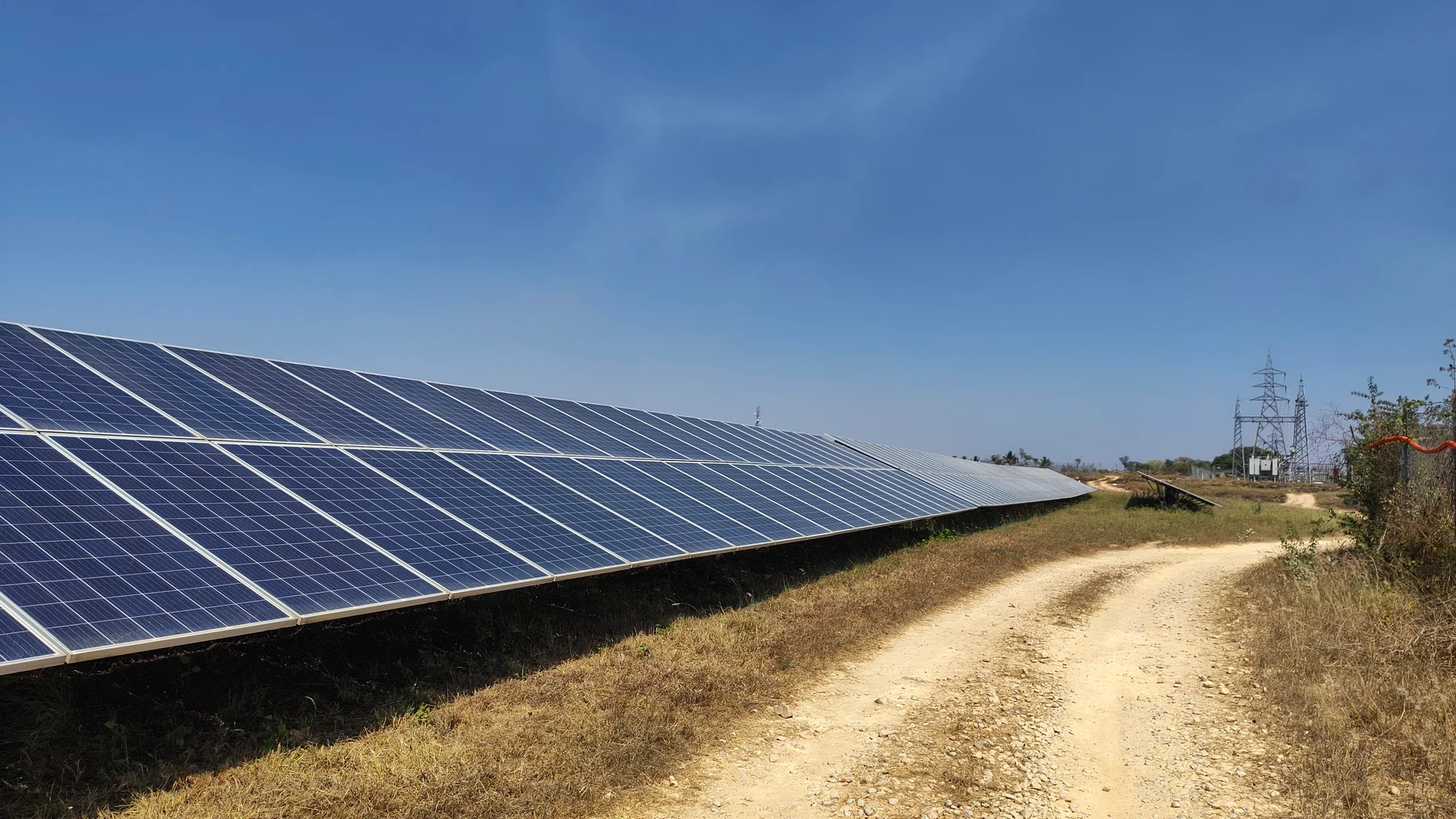
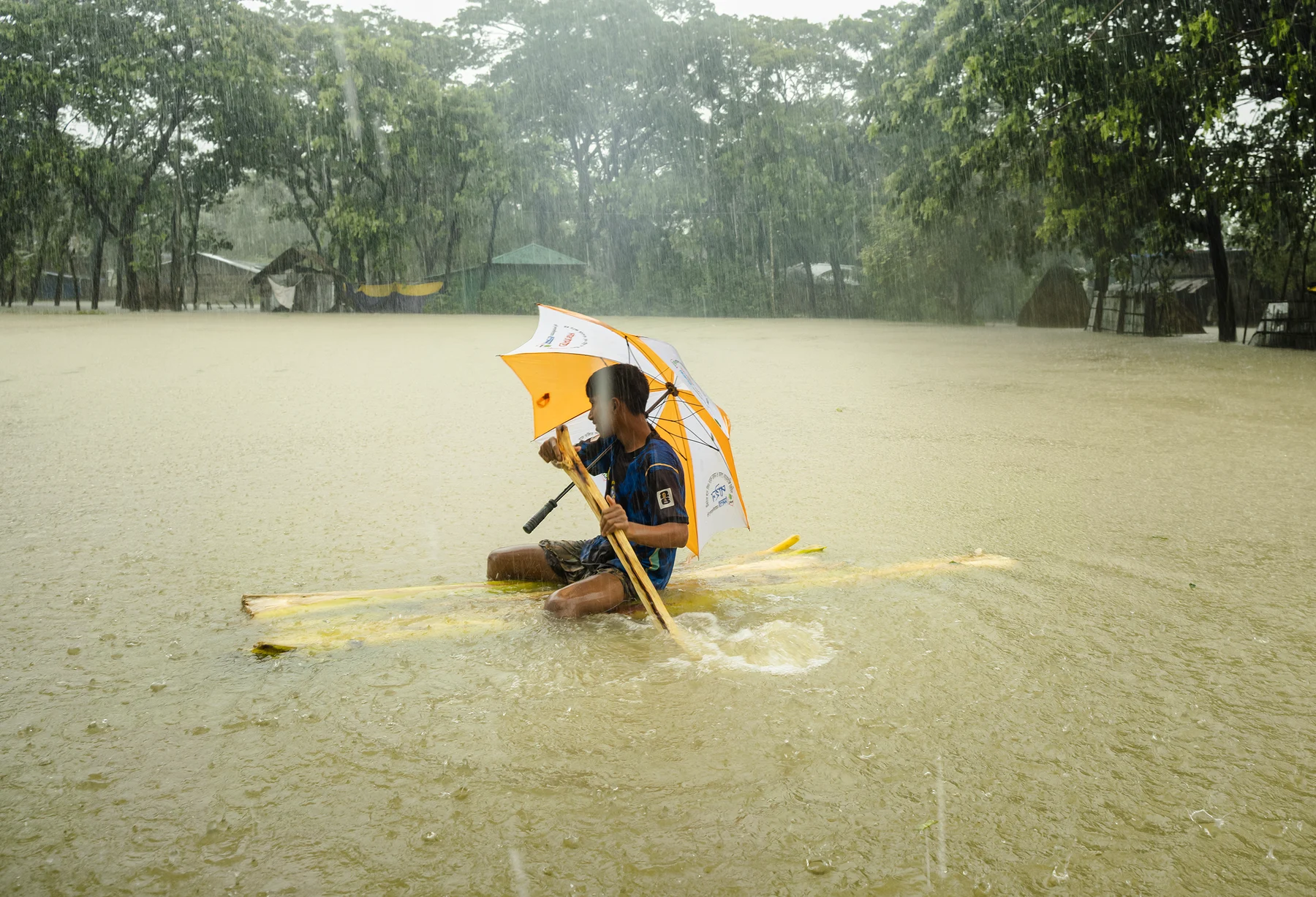
The COP30 Presidency released the report in Antalya on Nov. 8. The $1.27–1.41 trillion range and approximately $461 billion current-policy baseline are the Presidency report’s scenarios, not independently recalculated or audited for this article. The report calls itself voluntary and non-prescriptive, not a negotiated agreement; its pathways depend on policy interventions and include instruments at very different levels of maturity. COP31 context is independently reported by The Guardian and Reuters, but those articles do not independently validate this report’s model. The images are dated archive context from India (March 10, 2026) and Satkania, Bangladesh (July 9, 2026); neither depicts the report launch or a project funded through the roadmap.
A pathway, not a new funding promise
The COP30 Presidency has published a report estimating that policy and investment changes could lift annual climate-finance flows to developing countries to between $1.27 trillion and $1.41 trillion by 2035. Released in Antalya on Nov. 8, the report translates the existing Baku-to-Belém $1.3 trillion goal into possible routes for mobilizing money.
The range is a scenario, not a pledge. Parties had already agreed at COP30 to advance finance from public and private sources toward at least $1.3 trillion a year by 2035. The new report is described by its authors as voluntary and non-prescriptive; it is not a negotiated agreement requiring governments to deliver a specified amount.
The timing places the analysis before COP31, which opens in Antalya on Nov. 9. Climate finance is one of the issues expected in the summit’s negotiations, alongside the debate over how to turn climate goals into investment and action.
The model depends on changes beyond current policy
Under a business-as-usual scenario, the report estimates external climate-finance flows would reach about $461 billion annually by 2035. That leaves a gap of roughly $840 billion against the $1.3 trillion goal. The report says its enhanced pathway could close that gap if identified policy interventions are put in place.
The six areas it assesses include grants and concessional finance, private investment, South-South cooperation, Special Drawing Rights channeling, innovative mechanisms and carbon markets. Special Drawing Rights are reserve assets issued by the International Monetary Fund; proposals to channel them into climate finance would require decisions about how they are used.
The report cautions that these channels are not equal in size or readiness. Some are established flows, while other ideas, including certain levies and ways to use reserve assets, remain speculative or have not been deployed at scale. It treats carbon markets qualitatively because estimates depend heavily on different methods and assumptions about future demand.
The delivery challenge moves beyond climate negotiators
The report identifies geopolitical tensions, limited fiscal space in developing countries, high borrowing costs and eroded trust as obstacles. Its proposed 5x5 implementation framework links financing reforms to investment priorities, while a Climate Finance Action Compass is designed to track scale, speed, reach and impact.
Because the target includes public and private sources, the headline total should not be read as a promise of $1.3 trillion in government grants. Whether finance arrives, on what terms, and where it is invested are separate questions. The report offers a pathway for discussion; delivery depends on decisions by governments, development banks, regulators and investors.
A solar installation photographed in India in March and a July flood in Satkania, Bangladesh, illustrate the energy and adaptation contexts behind climate finance. They are archive photographs and are not linked to projects financed under this roadmap.
Sources
6 references
- COP30 PresidencyCOP30 Presidency outlines pathways that could mobilize over US$1.3 trillion annually in climate finance for developing countriesPrimary release: presentation date and place; the report’s $1.27–1.41 trillion pathway range and $458–461 billion current-policy scenario; six finance channels; and the distinction between the 2025 roadmap and the new implementation report. Figures are attributed to the Presidency. · 2026-11-08
- COP30 PresidencyImplementing the Baku to Belém Roadmap to 1.3T — full reportPrimary document: scenario definitions, $1.273–1.410 trillion enhanced pathway, approximately $461 billion current-policy estimate and $840 billion gap; explains that some channels remain speculative or unscaled and that the range depends on interventions. · 2026-11-08
- COP30 PresidencyCOP30 Presidency RoadmapPrimary report description: the contribution is voluntary and non-prescriptive, not a negotiated agreement; identifies the report’s 5x5 framework and Climate Finance Action Compass. · 2026-11-08
- The GuardianCop31: what is at stake at the UN climate summit and what can it achieve?Independent COP31 context: the Antalya summit begins Nov. 9, the financing issue is part of formal negotiations, and host Turkey and negotiation president Australia have divided roles. This does not independently assess the new report’s projections. · 2026-11-08
- ReutersFossil fuel cuts and finance top COP31 agendaIndependent pre-summit reporting on climate finance as a central COP31 agenda issue and the gap between adaptation needs and funding; it predates and does not assess the Nov. 8 Presidency report. · 2026-11-06
- International Monetary FundQuestions and Answers on Special Drawing RightsPrimary definition: SDRs are international reserve assets created by the IMF; they are not a currency. ·