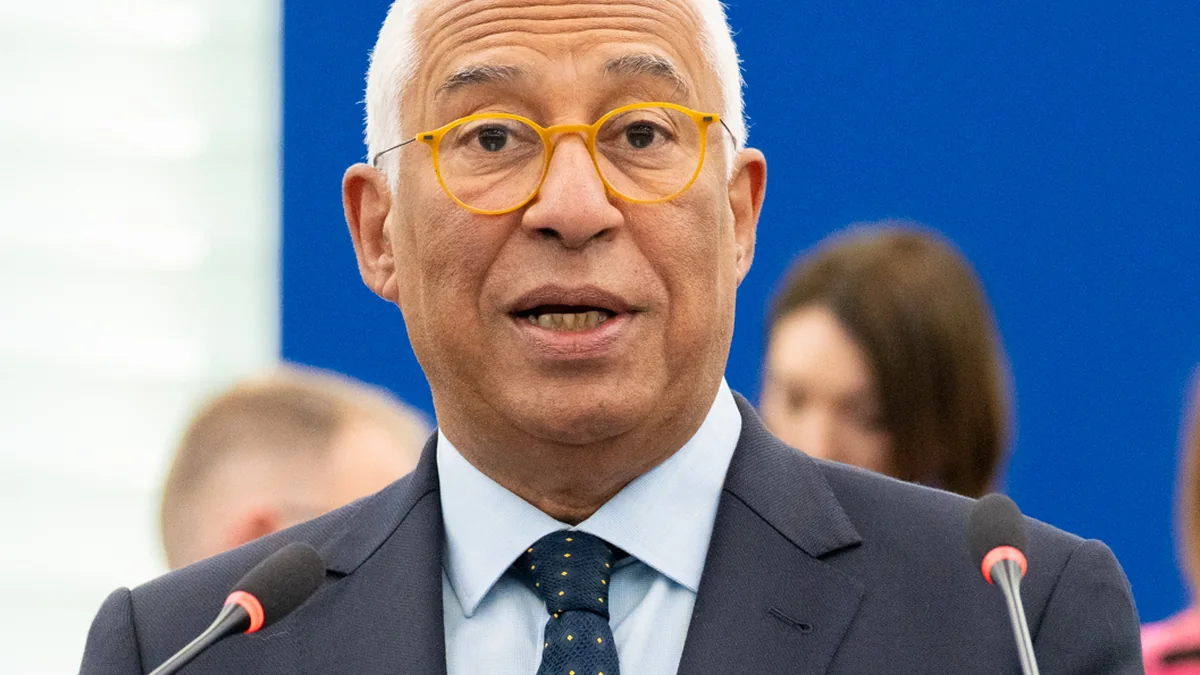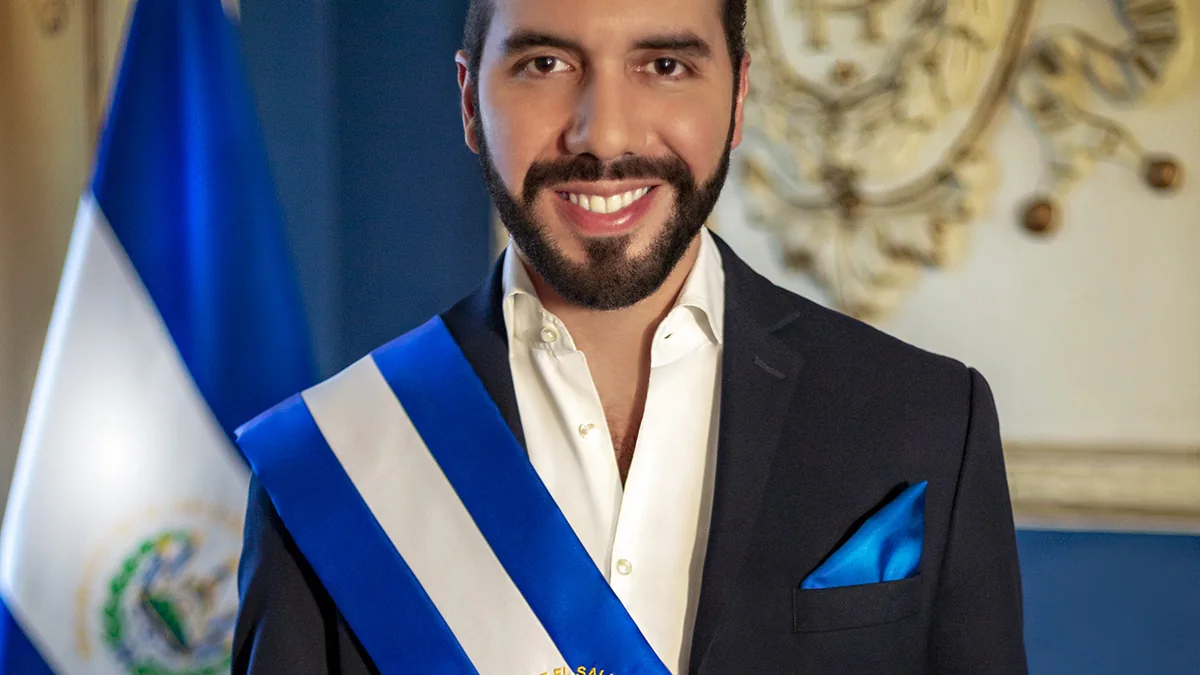
INCE NEWS compared Reuters and Associated Press accounts with the Salvadoran Supreme Electoral Tribunal’s election call, candidate-registration calendar and a local report confirming that the Bukele–Ulloa ticket was formally registered. The completed development is the November 19 registration; the election is scheduled for February 28, 2027 and its result is not known. Poll descriptions identify Bukele as the clear favourite, but published estimates use different measures and ranges, so the article does not combine them into a single figure. Claims that institutional checks have been dismantled are attributed to opposition and rights groups; the government rejects accusations of authoritarianism. Actual registration photographs were available only from Reuters, AP, AFP and EFE under agency licensing. Two licensed archive-context images are used instead: AndreX’s 2019 official portrait of Bukele and PizzaKing13’s 2022 photograph of the Supreme Electoral Tribunal headquarters. Neither depicts the November 19 filing.
A third consecutive candidacy becomes official
El Salvador President Nayib Bukele has registered to seek a third consecutive term, converting years of court and constitutional changes into a formal place on the February 2027 ballot.
Bukele filed alongside Vice President Félix Ulloa at the Supreme Electoral Tribunal on Thursday, the final day for presidential applications. La Prensa Gráfica reported that the ticket was subsequently the first presidential slate formally registered by the tribunal.
The vote is scheduled for February 28, 2027, alongside legislative and municipal elections. Registration is a completed procedural step; it does not certify an election result.
The rules now permit what the constitution once barred
El Salvador’s constitutional order historically prohibited immediate presidential re-election. A Supreme Court ruling in 2021 allowed a sitting president to run again, opening the way for Bukele’s second-term victory in 2024.
In 2025, the Nuevas Ideas-controlled legislature approved broader changes allowing indefinite presidential re-election. The amendment extended the presidential term to six years, eliminated a second-round vote and advanced the next election to 2027.
Those changes make the third-term bid legally possible under the rules now administered by the electoral tribunal. Opposition parties and rights groups argue that the sequence was engineered by institutions dominated by Bukele’s allies; the government rejects the claim that the process is authoritarian.

Security success and rights allegations define the contest
Bukele’s political strength rests heavily on a security crackdown that sharply reduced gang violence and made him one of Latin America’s most popular leaders. Supporters credit the state of emergency with restoring ordinary life in communities long controlled by criminal groups.
Rights organizations say the same emergency has enabled arbitrary detention, weak due process and abuse inside prisons. The administration says it prioritizes victims of gang violence and rejects descriptions of the policy as indiscriminate.
The election will therefore measure more than personal popularity. It will ask voters to judge whether lower violence justifies the expanded coercive powers and weakened institutional restraints associated with the crackdown.
A dominant party faces four challengers
Reuters reported that Bukele will face four opposition candidates, including Maytee Iraheta of the right-wing ARENA party and Rafael Aguirre of the left-wing FMLN. Polling descriptions from Reuters and AP differ in their measures and estimates, but both identify Bukele as the clear favourite.
Nuevas Ideas holds 54 of 60 seats in the legislature, while allies occupy three more. That balance has allowed the governing party to rewrite election rules with limited parliamentary resistance.
The practical consequence of the registration is that indefinite re-election is no longer an abstract constitutional possibility. It is now the framework for a live national vote in which the incumbent enters with overwhelming institutional and political advantages.
Sources
7 references
- El Salvador Supreme Electoral TribunalTSE officially calls citizens to the 2027 electionsPrimary election notice confirming the February 28, 2027 vote, offices contested and registration period. · 2026-09-30
- El Salvador Supreme Electoral TribunalDeadline and formalities for candidate-registration applicationsPrimary calendar confirming the November 19 presidential-registration deadline and in-person filing requirement. · 2026-11-01
- ReutersEl Salvador’s Bukele seeks unprecedented third term as leaderIndependent reporting on the registration, constitutional changes, candidates and political context. · 2026-11-19
- Associated PressEl Salvador President Nayib Bukele seeks third term at home while fighting gangs in HaitiIndependent reporting on the filing, security record, rights concerns and concentration-of-power debate. · 2026-11-20
- La Prensa GráficaNayib Bukele is the first presidential candidate officially registered by the TSELocal confirmation that the Bukele–Ulloa ticket completed formal registration. · 2026-11-20
- Wikimedia CommonsPresidente Bukele.jpgLead-photo provenance, VRT-confirmed permission and CC BY-SA 4.0 licence. · 2019-06-03
- Wikimedia CommonsHeadquarters of the TSE (El Salvador).jpgInline-photo provenance and CC BY-SA 4.0 licence. · 2022-12-27