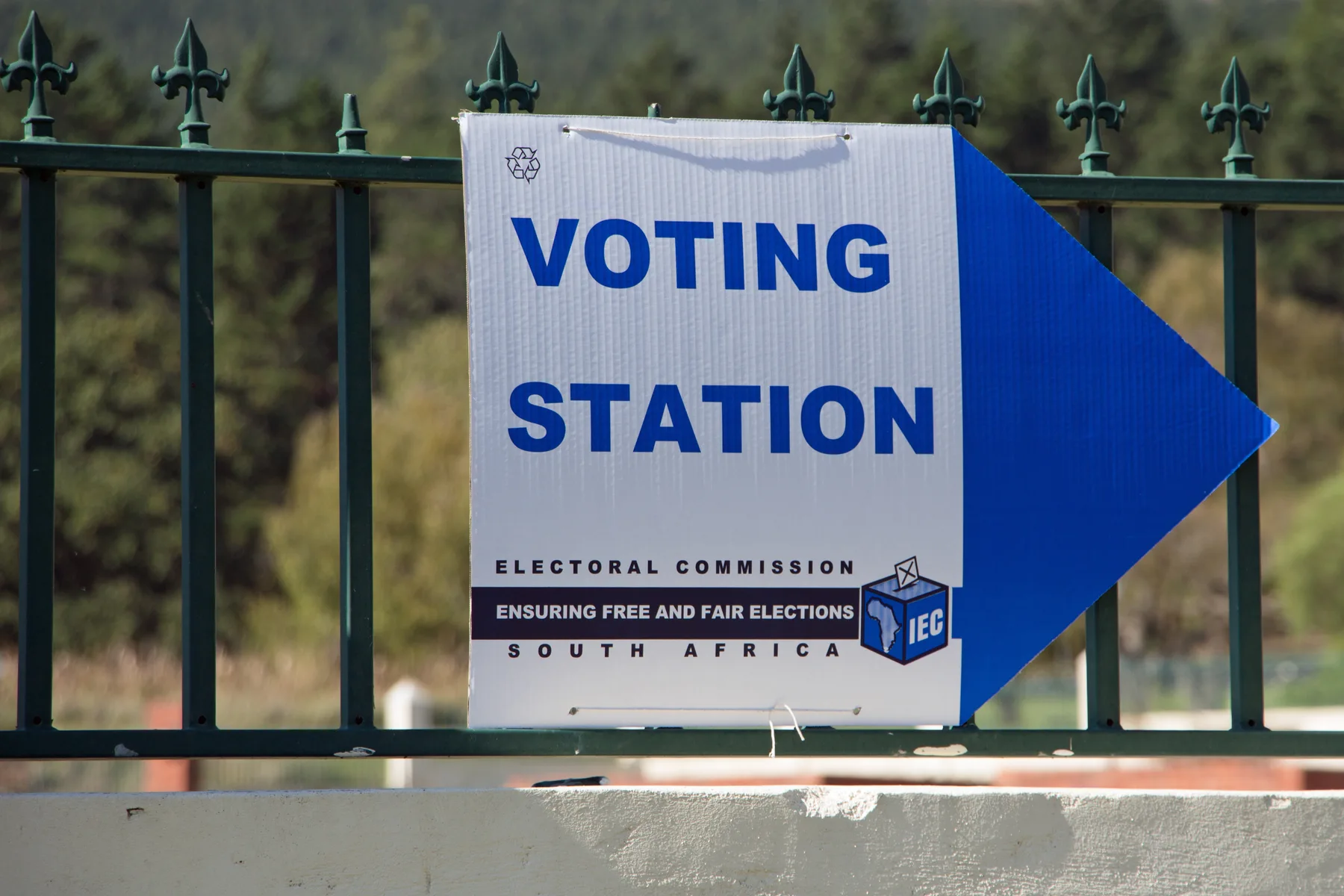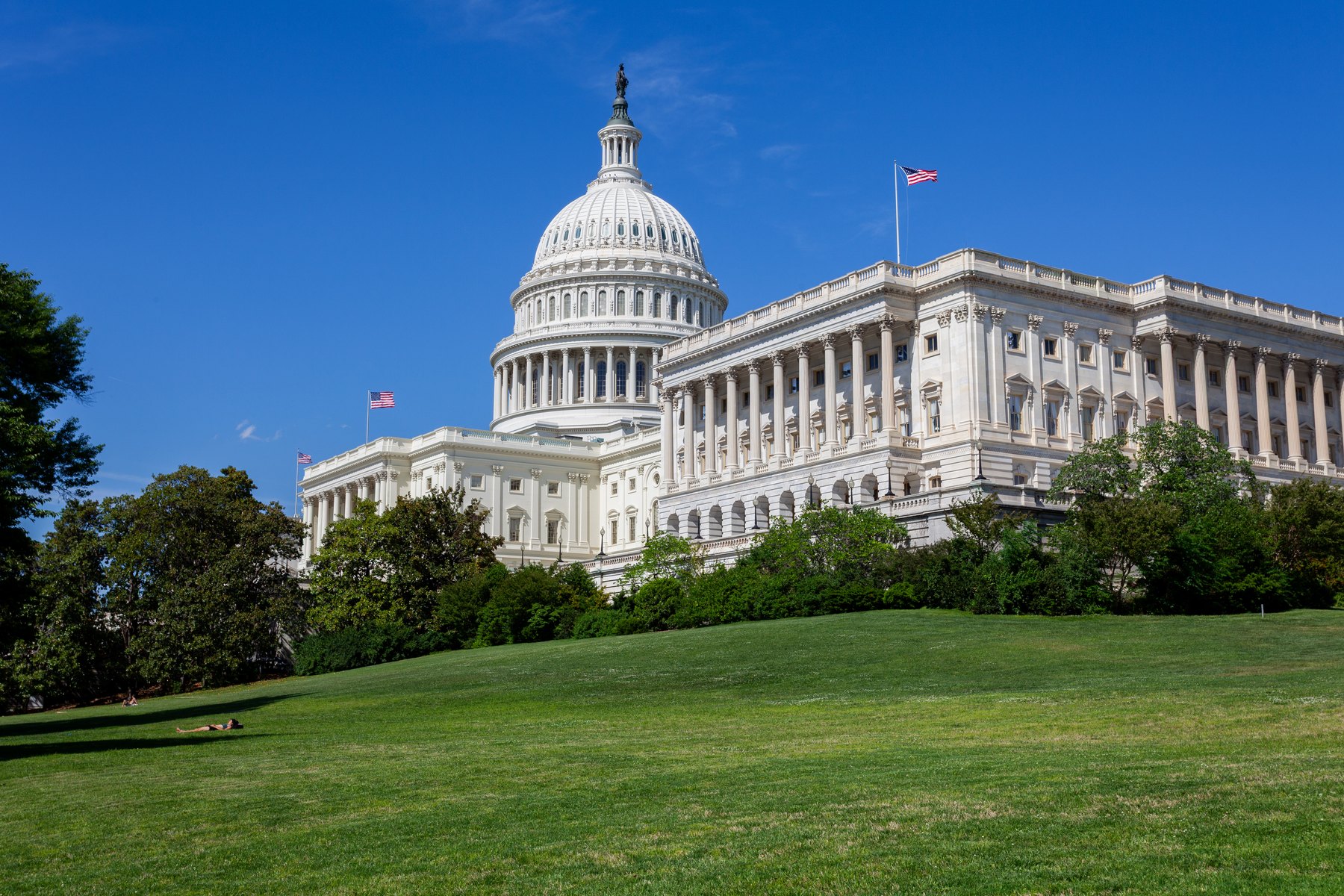
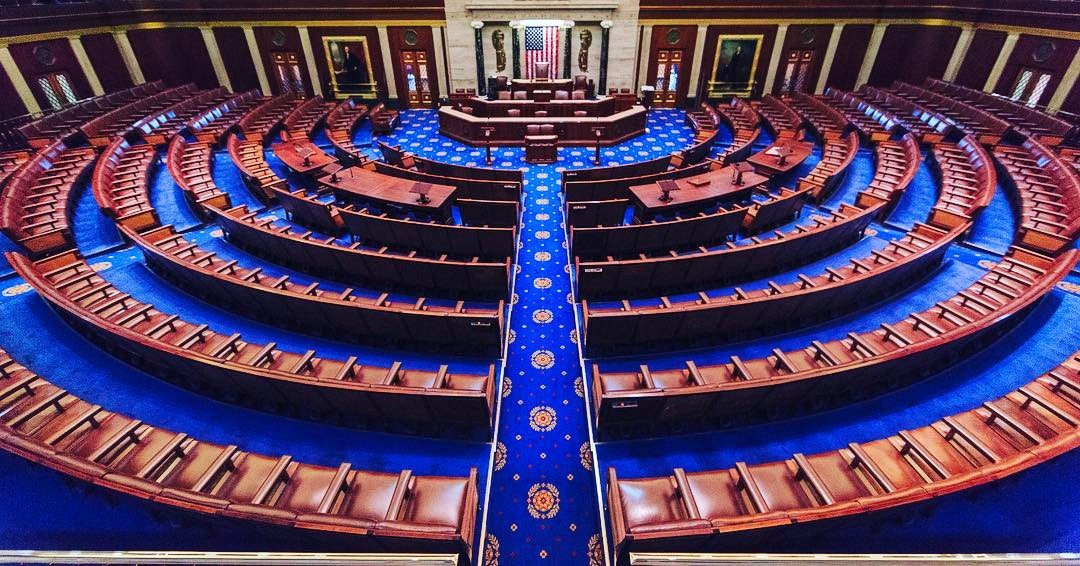
The Associated Press and Reuters independently reported that Democratic candidates had won enough races for control of both chambers. AP says it declares chamber control only after individual race calls reach 218 House seats and 51 Senate seats (or 50 when the vice president is from that party); this is a newsroom call, not final state certification. House Clerk references confirm when the new Congress begins, how House leadership is organized and what its standing committees do. U.S. Senate material explains the constitutional advice-and-consent role, while the National Archives transcription confirms the two-chamber and presidential steps for legislation, including the veto override threshold. AP and Reuters photographs from Election Day were located, but their publishers direct users to license the images; none is used here. The two distinct images are archive context: Trendscope’s Capitol photograph (May 6, 2010, CC BY 4.0) and the Office of the Speaker’s House-chamber photograph (Feb. 27, 2017, U.S. government work/public domain). Their dates and archive status are stated in the captions. The first original was proportionally resized to 1,800 × 1,200 and re-encoded as JPEG; the second was re-encoded at its original 1,080 × 566 dimensions. Neither was cropped or retouched.
Race calls reverse control in Washington
Democrats have won control of the U.S. House and Senate in the Nov. 3 midterm elections, according to race calls reported independently by the Associated Press and Reuters. The result gives President Donald Trump a Congress controlled by the opposing party for the next two years, once the new lawmakers take office.
The AP reported that Democrats flipped at least seven Senate seats and more than two dozen House districts, including some districts Trump carried by double-digit margins in 2024. The party’s gains reached Republican strongholds as well as battleground states, Reuters reported. The outcome is a sharp change in the balance of power, though the sources reviewed do not establish a single cause for voters’ choices.
The new majority starts work in January
The change will not happen overnight. The House Clerk says the next Congress begins at noon on Jan. 3, 2027; until then, the current Congress remains in place. The incoming House will elect its Speaker and organize its committees, which review legislation and conduct oversight of federal agencies.
The Senate’s role also extends beyond passing bills. The Constitution gives it a part in confirming federal judges and specified presidential nominees. A Democratic majority could therefore alter the pace and prospects of appointments, while committee control in both chambers would shape hearings and scrutiny of the administration.
A majority is leverage, not a guarantee
Controlling both chambers does not let a party enact a programme by itself. Legislation must clear the House and Senate and go to the president, who can sign or veto it; overriding a veto requires a two-thirds vote in each chamber. The result sets up divided government, with negotiations and oversight likely to matter as much as party control.
The figures cited here are race calls by news organizations, not a replacement for state canvasses and certification. AP says it declares a party in control only after its individual race calls establish 218 House winners and 51 Senate winners, or 50 when the vice president is from that party. The calls resolve who is positioned to lead the next Congress while officials complete their own election processes.
Sources
8 references
- Associated PressThe Latest: Voters give Democrats control of Congress in rebuke to TrumpReports the House and Senate outcomes and the scale of Democratic gains; distinguishes called races and contests the AP had not yet called. · 2026-11-04
- Reuters (via Investing.com)Democrats seize Congress in sweeping midterm repudiation of TrumpIndependent Reuters report on Democratic control of both chambers and the transition to divided government. · 2026-11-04
- Associated PressHow we declare winnersAP’s published method says a House majority is called after 218 winners and Senate control after 51 winners (or 50 with a same-party vice president); AP calls a race when trailing candidates no longer have a path to win. · accessed 2026-11-04
- Office of the Clerk, U.S. House of RepresentativesLegislative FAQs: When is the House in session?Primary institutional reference: a new Congress begins at noon on Jan. 3 of an odd-numbered year, unless changed by law. · accessed 2026-11-04
- Office of the Clerk, U.S. House of RepresentativesCommittee FAQsPrimary institutional reference: House standing committees consider bills and issues and conduct oversight; party shares and committee assignments are organized at the start of a new Congress. · accessed 2026-11-04
- Office of the Clerk, U.S. House of RepresentativesHouse LeadershipPrimary institutional reference: House leadership is elected every two years at the start of a new Congress and the House elects its Speaker. · accessed 2026-11-04
- U.S. SenateAbout NominationsPrimary institutional reference explaining the Senate’s constitutional advice-and-consent role for federal appointments, including judges and specified executive officers. · accessed 2026-11-04
- National ArchivesThe Constitution of the United States: A TranscriptionPrimary text: Article I, Section 7 requires a bill to pass both chambers and be presented to the president; Congress can override a veto with two-thirds votes in both Houses. · accessed 2026-11-04