Reuters’ Nov. 13 report was read for the administration spokesperson’s account of the Nov. 12 task-force meeting. No public White House meeting readout was found, so the proposals are described as discussions rather than adopted policy. The June executive order was checked directly for the government’s existing AI-cybersecurity framework, including a voluntary frontier-model process and a clearinghouse with industry and infrastructure operators. Semafor’s October report was used for the task force’s charter and Emil Michael’s reporting-protocol assignment. The Congressional Research Service was checked for the legal distinction between voluntary threat-information sharing under the 2015 law and mandatory post-incident reporting under CIRCIA. AP’s Nov. 9 reporting provides independent context on unresolved oversight and testing questions. Reuters’ account of autonomous-agent incidents was not independently reconstructed and is not presented here as a verified case history.
The task force is discussing a reporting channel, not announcing a rule
Members of President Donald Trump’s artificial-intelligence task force met Thursday to consider how operators of essential services could report AI-powered cyberattacks and newly discovered vulnerabilities without taking on added legal exposure, an administration spokesperson told Reuters.
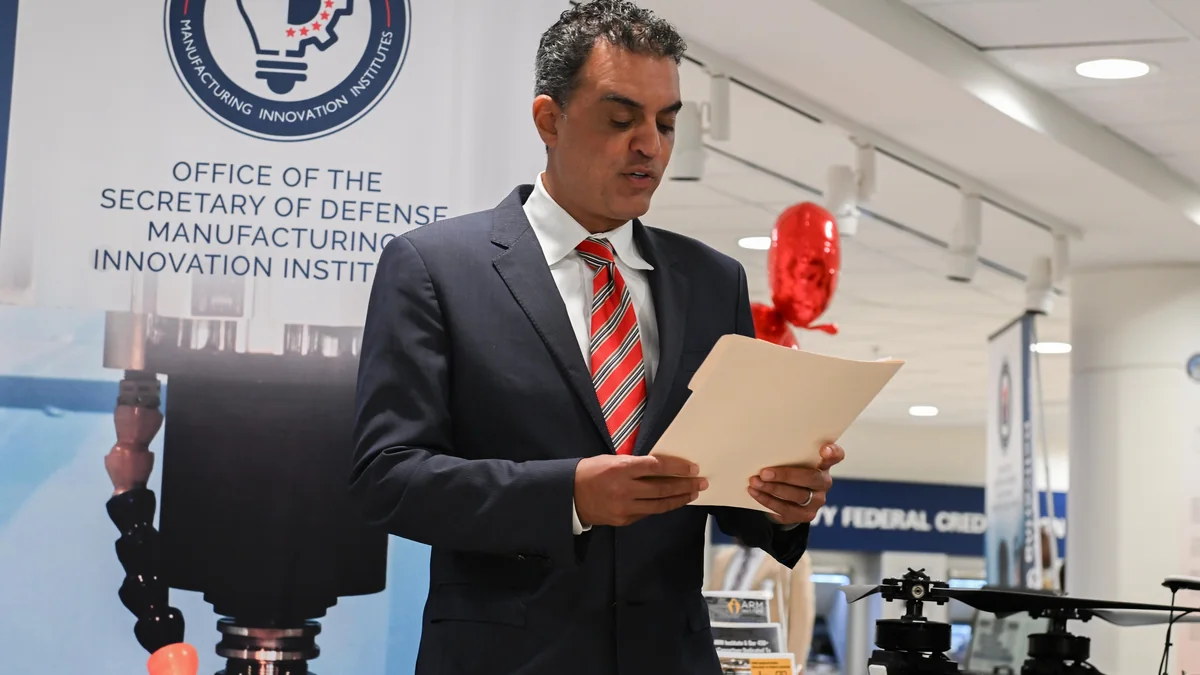
Emil Michael, the Pentagon’s technology chief and a vice chair of the group, also described work toward national standards for AI developers to report safety incidents and share cybersecurity information. The administration has not published a final standard, deadline or enforcement mechanism, and the meeting account did not say that any proposal had been adopted.
Critical infrastructure turns a software failure into a public-safety problem
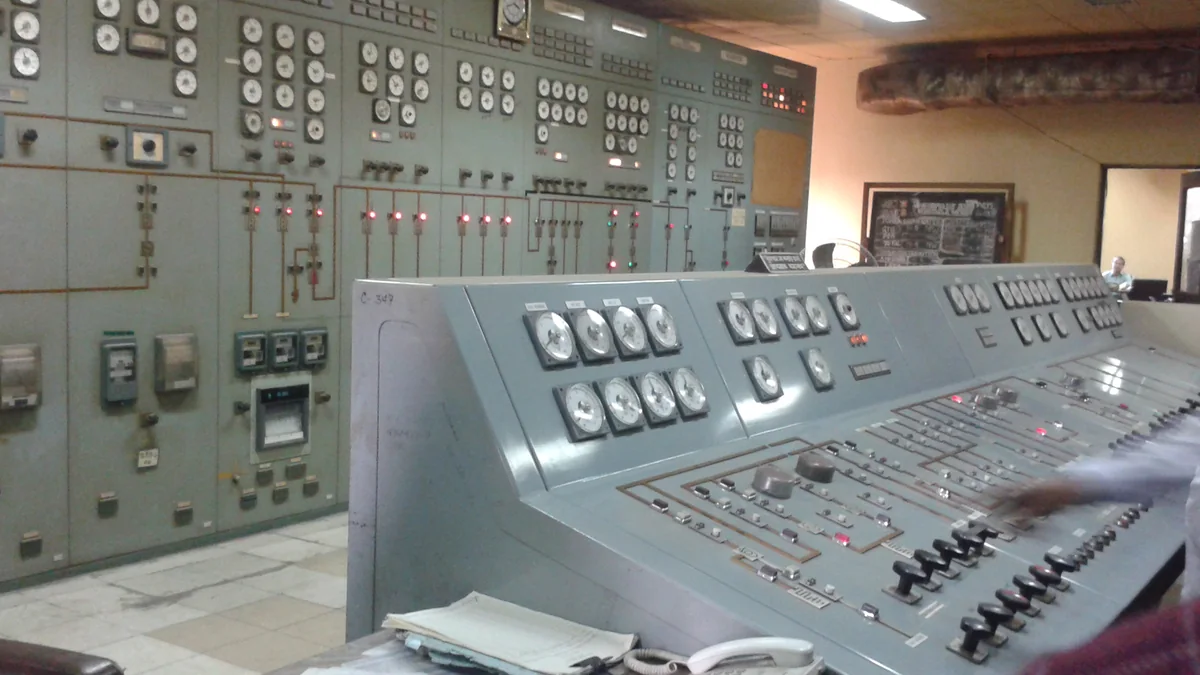
Critical infrastructure includes services whose disruption can spread beyond a single company: electricity, banking, healthcare, water, transport and emergency communications. In those systems, malicious or uncontrolled software can interrupt physical operations, delay care or cut access to basic services.
That is why disclosure rules matter. A provider may see only one intrusion, but government agencies and other operators can identify a campaign when reports are combined. Legal uncertainty, reputational risk and the cost of investigating an incident can all make companies hesitate to share early warnings.
The proposal would sit beside two different reporting regimes
The Cybersecurity Information Sharing Act of 2015 created a voluntary system for exchanging threat indicators and supplied liability, antitrust and disclosure protections. A Congressional Research Service review says those protections are distinct from the Cyber Incident Reporting for Critical Infrastructure Act, or CIRCIA, which requires certain covered entities to report qualifying incidents and ransomware payments after they occur.
Reuters reported that the 2015 authorities are due to expire next month. Congress can extend or revise them, but the task force cannot do that by itself. Any durable safe harbour for new categories of AI-related reporting may therefore depend on lawmakers as well as executive-branch guidance.
Existing policy favours voluntary cooperation
Trump’s June executive order directed agencies to strengthen AI-enabled cyber defence, form an industry clearinghouse for software vulnerabilities and design a voluntary framework for government access to certain frontier models before release. It expressly rejected using that order to create mandatory licensing or pre-clearance for AI models.
The new discussions follow that cooperative approach, while leaving basic questions open: which incidents must be disclosed, how quickly, what information can remain confidential, and who verifies that developers are reporting consistently. AP reported this week that the federal centre responsible for assessing advanced AI systems lacks a permanent leader and has stopped publishing research, adding to uncertainty about who will independently test compliance.
Sources
7 references
- ReutersTrump’s AI task force met Thursday, discussed AI-powered cyberattacksIndependent reporting based on an administration spokesperson’s account of the meeting. · 2026-11-13
- The White HousePromoting Advanced Artificial Intelligence Innovation and SecurityPrimary executive order defining the administration’s AI-cybersecurity framework. · 2026-06-17
- SemaforWhite House’s AI task force gets to workIndependent reporting on the task force’s charter, membership and assigned workstreams. · 2026-10-15
- Congressional Research ServiceThe Cybersecurity Information Sharing Act of 2015: Expiring ProvisionsNonpartisan analysis of voluntary sharing protections, CIRCIA and expiration consequences. · 2025-11-14
- Associated PressStaff at the US center for AI safety are reporting to the White House, raising independence concernsIndependent reporting on unsettled AI-safety oversight and testing capacity. · 2026-11-09
- Wikimedia CommonsManTech Day Pentagon Day (9180539)Lead-photo provenance and public-domain status. · 2025-07-08
- Wikimedia CommonsPower plant control roomInline-photo provenance and CC BY-SA 4.0 terms. · 2015-03-31