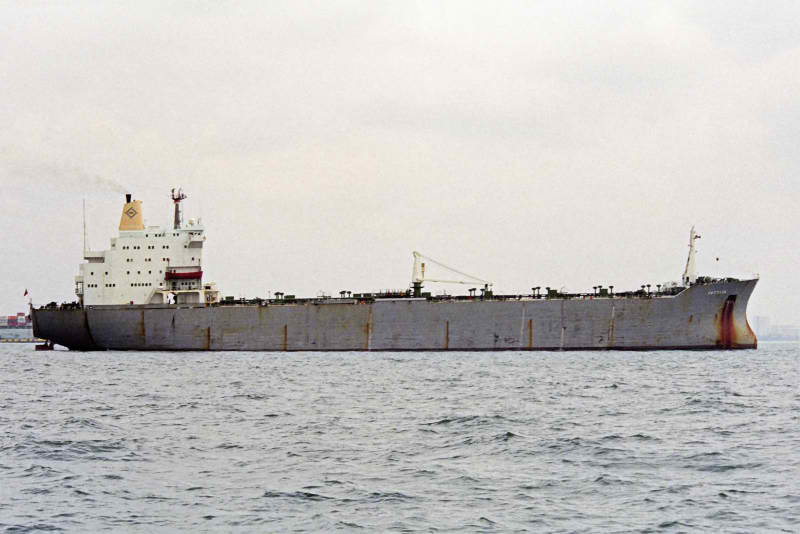
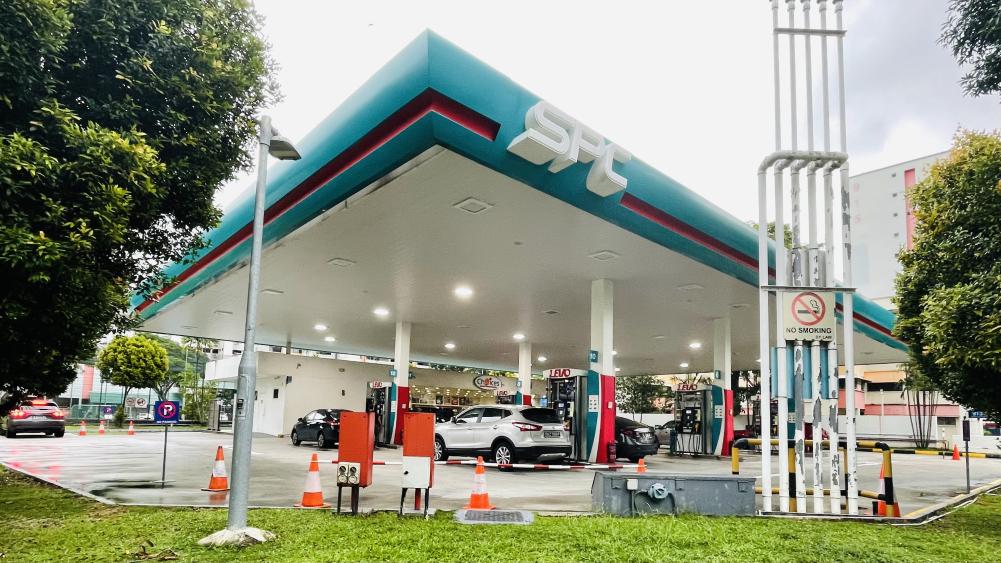
Reuters columnist Clyde Russell reported on Nov. 2 using Kpler trade-flow data: Asian crude imports reached 26.39 million barrels a day in October, while light and middle distillate imports reached 6.15 million barrels a day. Kpler’s detailed monthly dataset was not independently reproduced for this report. The International Energy Agency’s Oct. 14 Oil Market Report independently described refined-product shipments from the Middle East as recovering more slowly than crude flows and said diesel supply remained under pressure. Both images are dated archival context, not photographs of October cargoes or current fuel prices: the tanker image was taken in Singapore Strait in 1993; the Singapore Petroleum Company station image was taken in November 2022.
Crude arrivals climb back
Asian crude-oil arrivals rose to 26.39 million barrels a day in October from 24.24 million in September, according to Kpler data cited in a Reuters report published Monday. The estimate puts imports close to the 27 million-barrel daily average in the three months before the conflict began on Feb. 28.
The October total was 39% above the post-conflict low recorded in April. Shipments through the Strait of Hormuz also recovered, reaching 7.42 million barrels a day in October, although that remained well below the 13.06 million average before the conflict, Reuters reported.
Refined fuels tell a different story
Imports of light and middle distillates — a category that includes gasoline and diesel-related fuels — were 6.15 million barrels a day in October. That was 10% below the 6.85 million average in the three months before the conflict, despite a rise from September and a partial recovery from June’s low.
The International Energy Agency’s October market report points to the same divide: crude shipments from the Middle East had rebounded, while refined-product shipments remained less than half their pre-conflict level. It said disrupted refinery output and lower exports from the Middle East and Russia had kept diesel markets tight.
Why the gap matters
Crude oil is feedstock. Refineries must process it into usable products such as diesel, gasoline and jet fuel, so a recovery in crude cargoes does not immediately restore supplies at the pump or for freight operators.
Reuters said Singapore’s gasoil benchmark on Oct. 30 was 84% above its Feb. 27 level, while gasoline was 61% higher. Those figures are market benchmarks, not a measure of every country’s retail prices. The latest data therefore show a recovery in oil flows alongside continuing strain in the fuels that households and businesses buy.
Sources
2 references
- ReutersAsia’s crude oil imports back to pre-war levels but refined fuels lagReports October trade-flow estimates compiled by Kpler: Asian crude arrivals rose to 26.39 million barrels per day; light and middle distillates remained 10% below the three-month pre-conflict average. Reuters also reports that Singapore gasoil and gasoline prices remained above Feb. 27 levels. · 2026-11-02
- International Energy AgencyOil Market Report – October 2026Independent market context: refined-product and LPG shipments from the Middle East were recovering much more slowly than crude flows, with diesel markets still under significant strain. · 2026-10-14