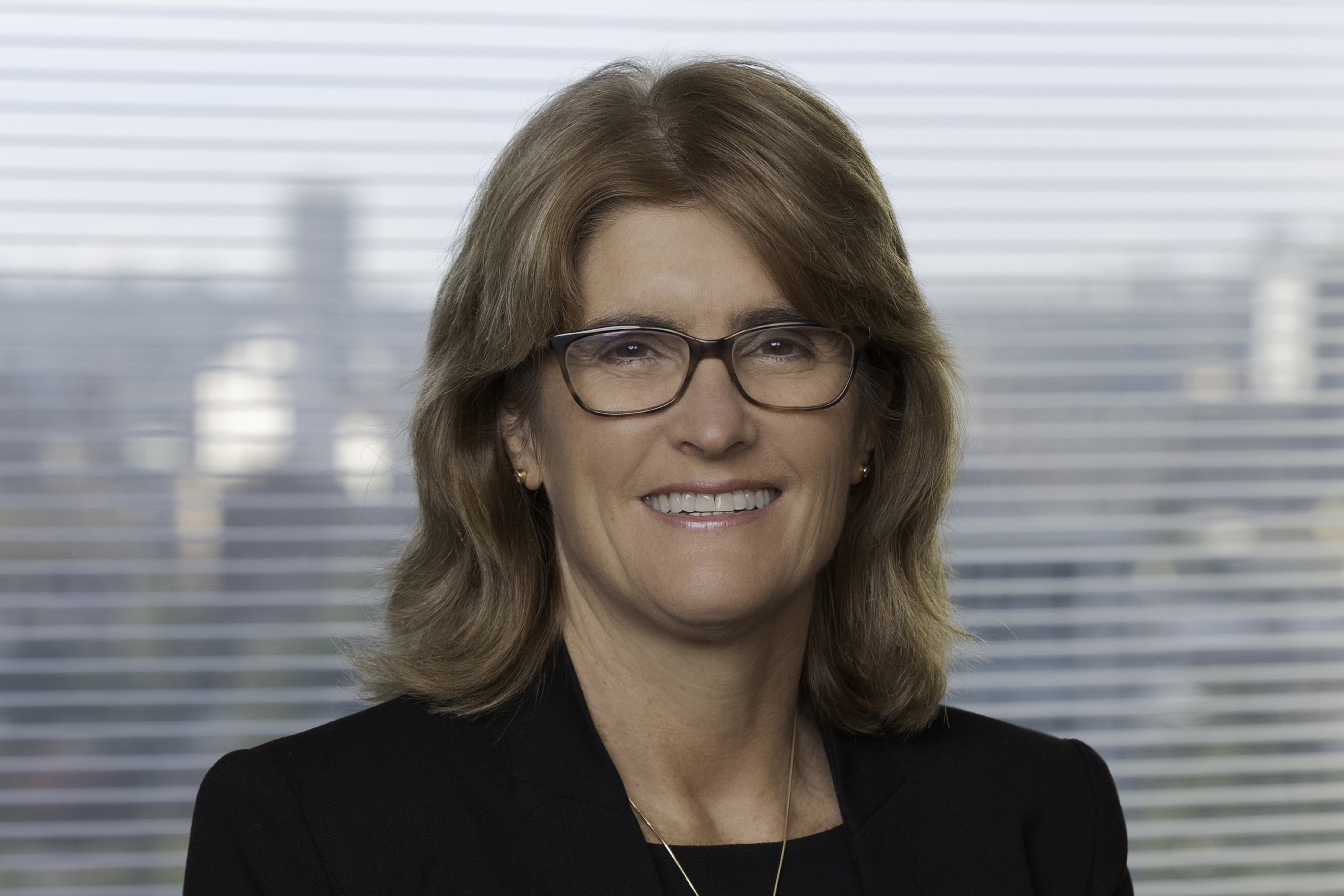
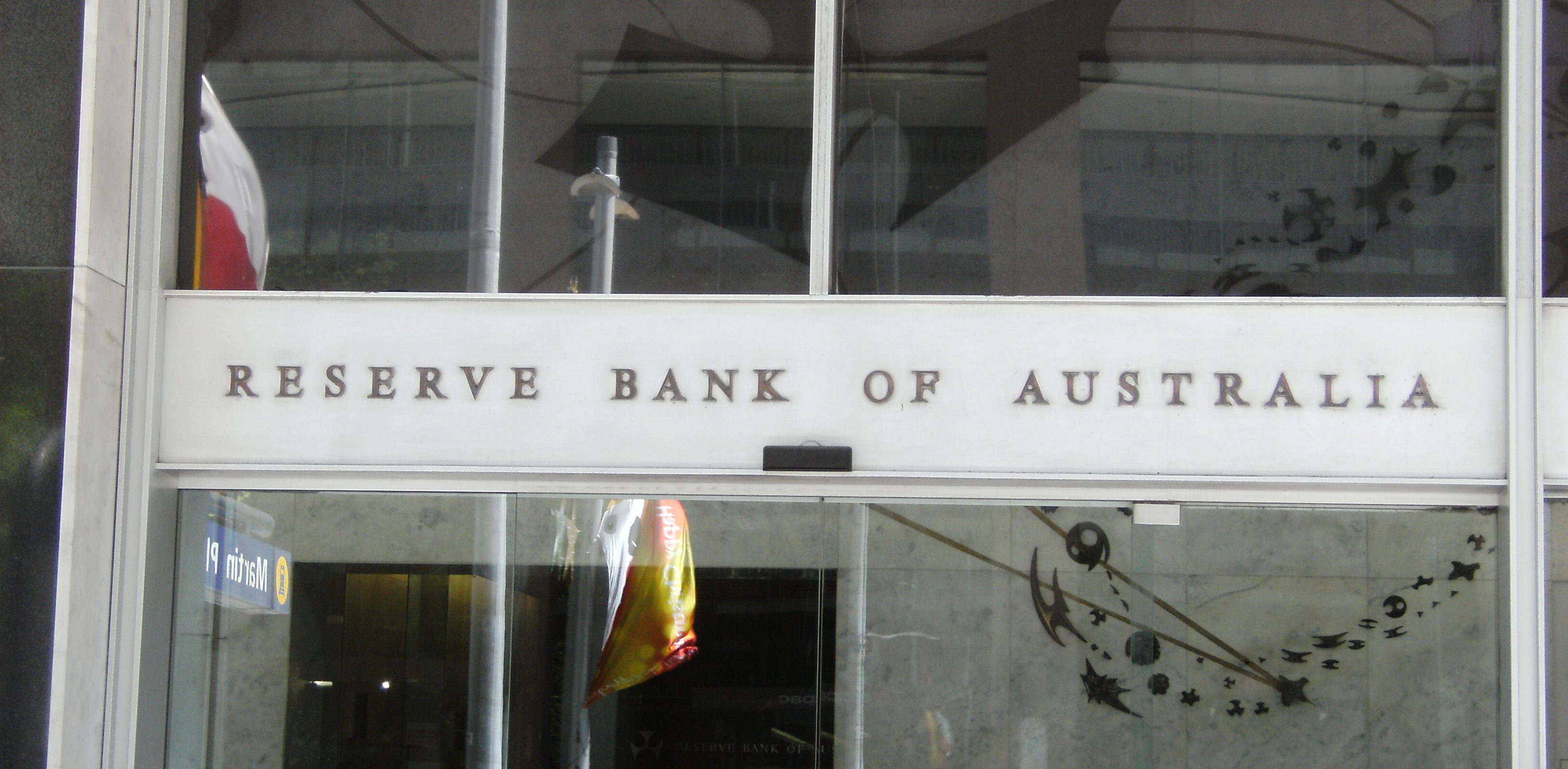
The Reserve Bank of Australia’s Nov. 3 decision statement confirms the 25-basis-point increase, new 4.85% target, inflation rationale and 6–3 vote; the bank says the target took effect Nov. 4. Reuters and Australia’s ABC independently reported the decision and its 18-year-high comparison; the RBA’s November outlook gives the inflation forecast. The cash-rate explainer describes how the benchmark influences mortgage and deposit rates, but lenders decide how changes reach individual customers. The actual Nov. 3 media-conference photographs found through ReutersConnect are licensed agency images and are not reused. The lead is an unchanged archival portrait of Governor Michele Bullock dated May 26, 2022, from the RBA Image Library. The inline photo is an unchanged, horizontal image of the RBA sign in Sydney taken Nov. 27, 2008, released worldwide to the public domain by Danausi. Neither depicts the Nov. 3 policy announcement.
The new target takes effect on Nov. 4
Australia’s central bank raised its cash rate target by 25 basis points to 4.85% on Tuesday, taking it to its highest level in 18 years. The Reserve Bank of Australia said the new target takes effect on Nov. 4.
The Monetary Policy Board approved the increase by six votes to three. The dissenting members preferred to leave the target at 4.60%, according to the Bank’s decision statement. Reuters reported that this was the fifth rate increase in 2026.
The cash rate is the overnight interest rate banks pay to borrow from one another. It influences mortgage and deposit rates, though each lender sets the rates offered to customers.
Officials say inflation has broadened
The Bank said inflation remained elevated and had spread across more prices and services. It pointed to higher fuel and commodity costs linked to the unresolved Middle East conflict, as well as domestic capacity pressures and rising technology prices tied to artificial-intelligence investment.
Its Nov. 3 statement said inflation was now expected to remain high through much of 2027. The central bank also said the economy was slowing, house prices had fallen significantly and unemployment had risen, setting up a difficult balance between bringing prices down and limiting further pressure on growth.
The Bank’s separate November outlook said higher global fuel prices and domestic cost pressures had delayed the expected return of inflation to the midpoint of its 2%–3% target range until mid-2028.
A split board leaves the next move open
The narrow vote and the Bank’s revised outlook have raised questions about how much further policy may tighten. Reuters reported that Governor Michele Bullock described the next move as uncertain and said the dissenters put greater weight on downside risks as housing weakened and unemployment climbed.
The decision statement did not promise a pause. It said the Board would watch incoming data and its assessment of the outlook and risks before deciding what to do next.
Because the cash rate influences lending and deposit rates, the move can feed through to household and business finances. The size and timing of any change to a customer’s loan or savings rate depends on their bank and product.
Sources
5 references
- Reserve Bank of AustraliaStatement by the Monetary Policy Board: Monetary Policy Decision (Media Release 2026-30)Primary record of the rate decision, 25-basis-point increase to 4.85%, inflation rationale and 6–3 vote; states the effective date as Nov. 4. · 2026-11-03
- Reserve Bank of AustraliaStatement on Monetary Policy – November 2026The Bank’s quarterly outlook says inflation is expected to remain above target for longer and explains the risks and forecasts considered by the Monetary Policy Board. · 2026-11-03
- Reserve Bank of AustraliaCash rate target – the key monetary policy decisionExplains that the cash rate is the overnight rate on interbank borrowing and influences mortgage, deposit and other interest rates; identifies the target’s Nov. 4 effective date. · 2026-11-03
- ReutersAustralia’s central bank lifts rates to 18-year high, split vote points to pause aheadIndependent reporting on the 6–3 vote, the fifth increase this year, the 18-year-high comparison, Governor Michele Bullock’s comments and the market response. · 2026-11-03
- ABC News AustraliaRBA lifts interest rates to highest level in 18 years to try to dampen inflationIndependent Australian reporting confirming the 25-basis-point move from 4.60% to 4.85%, its 6–3 division and local context. · 2026-11-03