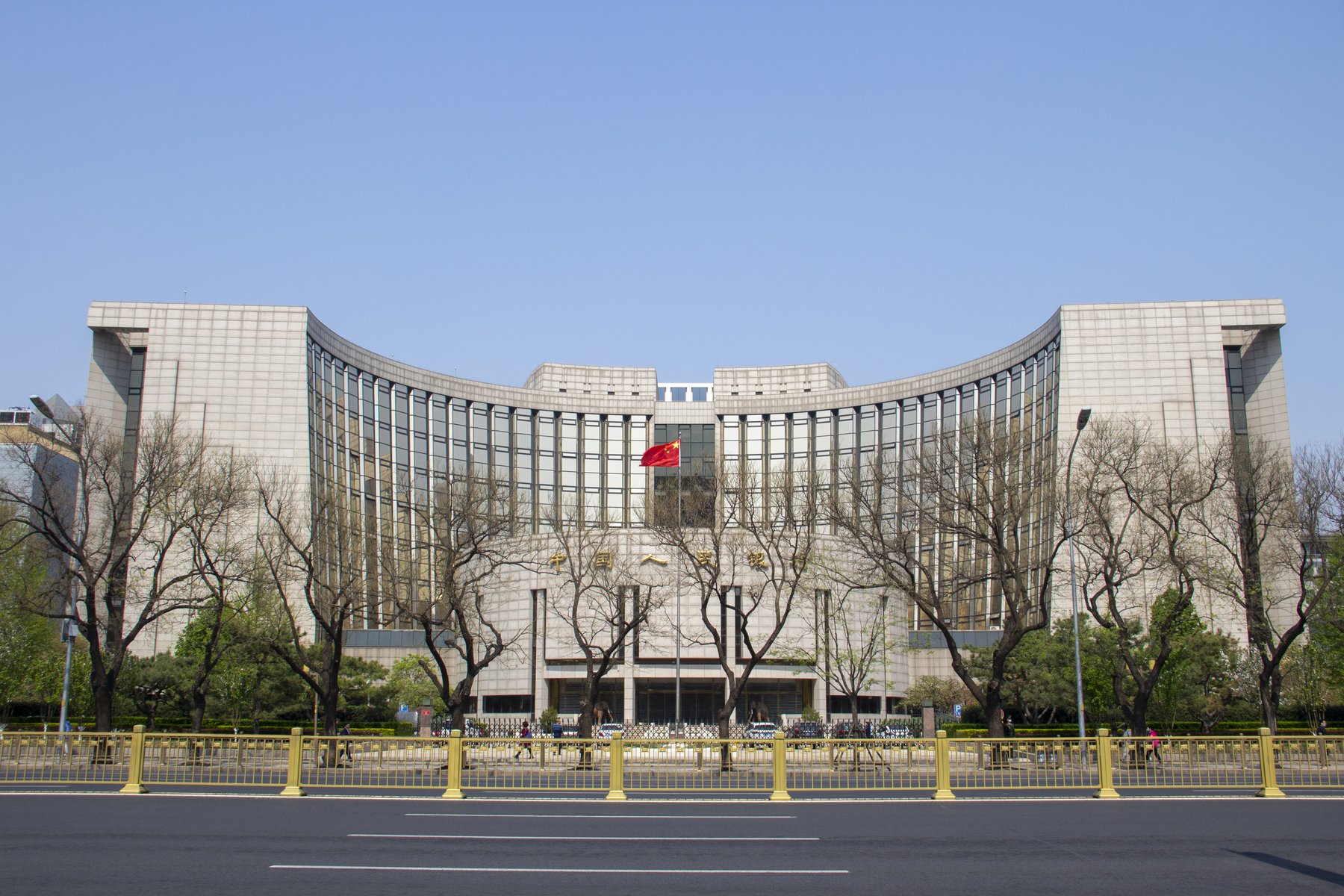
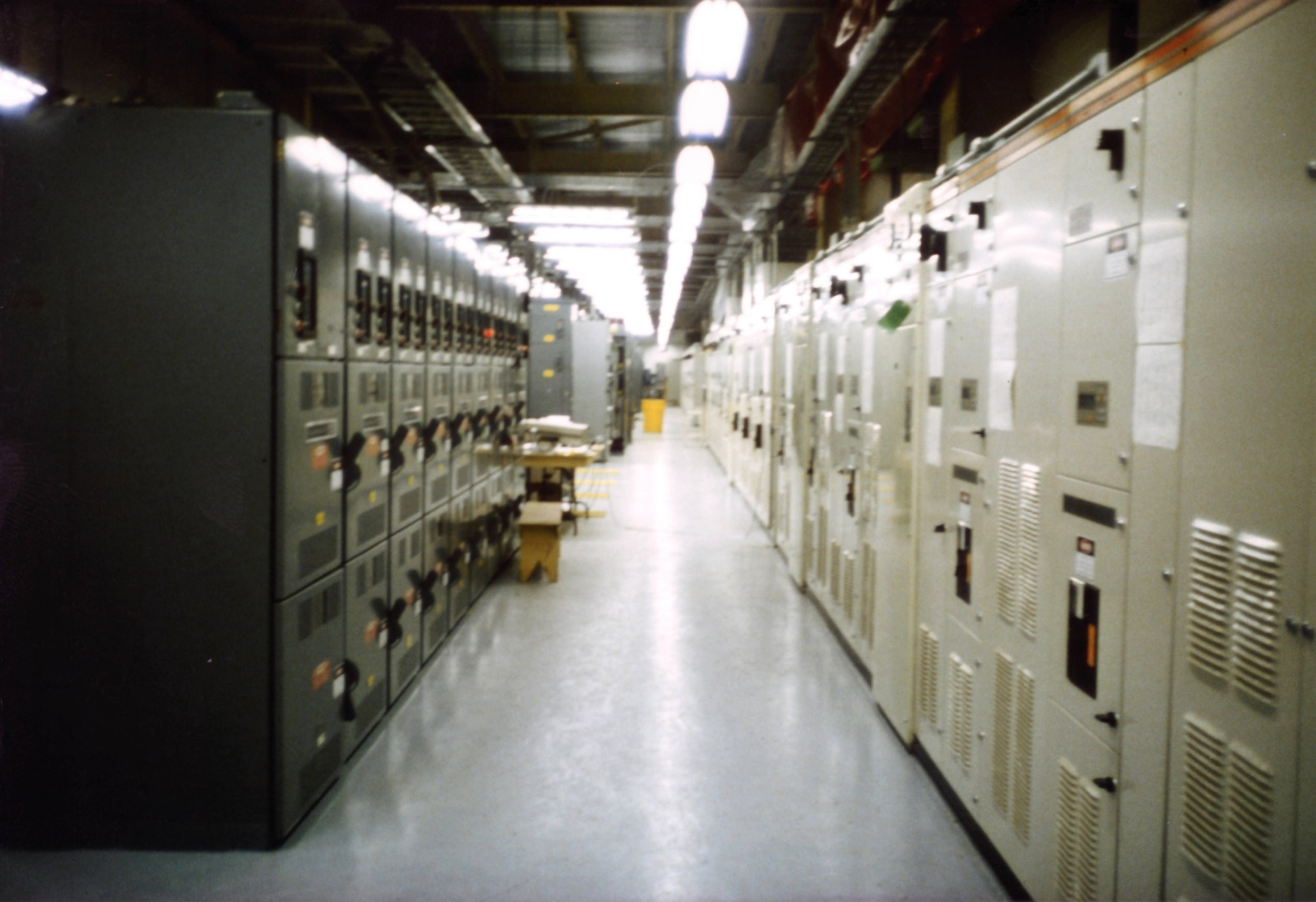
Reuters reported the October S&P Global Canada Manufacturing PMI and its sub-indexes on Nov. 2, attributing comments and figures to S&P Global Market Intelligence. The PMI methodology page from S&P confirms that readings above 50 indicate expansion and below 50 contraction. S&P’s public release endpoint returned HTTP 403 during verification, so INCE NEWS could not independently inspect the underlying October release; the survey figures are attributed to Reuters and are not presented as official national-accounts data. The lead image is a May 7, 2026 photograph of a Hamilton steel mill, and the inline image is a 1989 photograph of a motor-control room in a Canadian pulp-and-paper mill; neither depicts a respondent factory or current survey activity.
A survey moves below the 50 mark
Canada’s manufacturing activity contracted in October for the first time this year, according to the S&P Global Canada Manufacturing Purchasing Managers’ Index. Reuters reported Monday that the index fell to 49.6 from 51.5 in September. A reading below 50 signals that activity weakened from the prior month among surveyed manufacturers.
The PMI is a monthly survey-based indicator, not a count of factory output or an official measure of gross domestic product. Its move below 50 marks a change in direction after a run of readings that indicated expansion.
Orders and output both weakened
The Reuters report said the survey’s output measure fell to 48.4 from 50.8, while new orders dropped to 46.5 from 49.3. Both readings were below the neutral 50 threshold. The new-orders index was at its lowest since September 2025, according to Reuters.
The figures suggest manufacturers faced weaker demand as well as reduced production during the month. They do not establish how much output fell in dollar or volume terms, or whether the same pattern held across every industry and province.
Cost pressures rose as activity slowed
The survey also pointed to rising price pressure. Reuters reported that S&P’s measures of input costs and prices charged by manufacturers climbed to their highest levels in more than four years, reaching 71.7 and 62.3 respectively. These are diffusion-index readings, not inflation rates or percentage changes.
S&P Global Market Intelligence economist Paul Smith told Reuters that firms cited tariffs and supply disruptions alongside drops in output and new orders. The survey links those conditions to respondents’ experience; it does not isolate how much each factor caused the slowdown.
What the reading can—and cannot—show
A PMI below 50 is an early signal that more surveyed companies reported deterioration than improvement compared with the previous month. It can flag shifts before official production statistics are released, but it is not a forecast that the whole economy is shrinking.
The October result therefore points to a manufacturing setback and sharper cost pressure, while leaving the size and persistence of the change to be tested against later official data and subsequent survey readings.
Sources
2 references
- ReutersCanadian factory PMI shows sector contracting for first time in 2026Reported the October S&P Global Canada Manufacturing PMI, component indexes, tariff and supply-chain context, and the rise in input-cost and output-price measures. · 2026-11-02
- S&P GlobalPurchasing Managers’ Index (PMI): methodology and interpretationExplains the PMI survey’s scope and that readings above 50 indicate expansion while readings below 50 indicate contraction; this is methodology, not the October release. ·