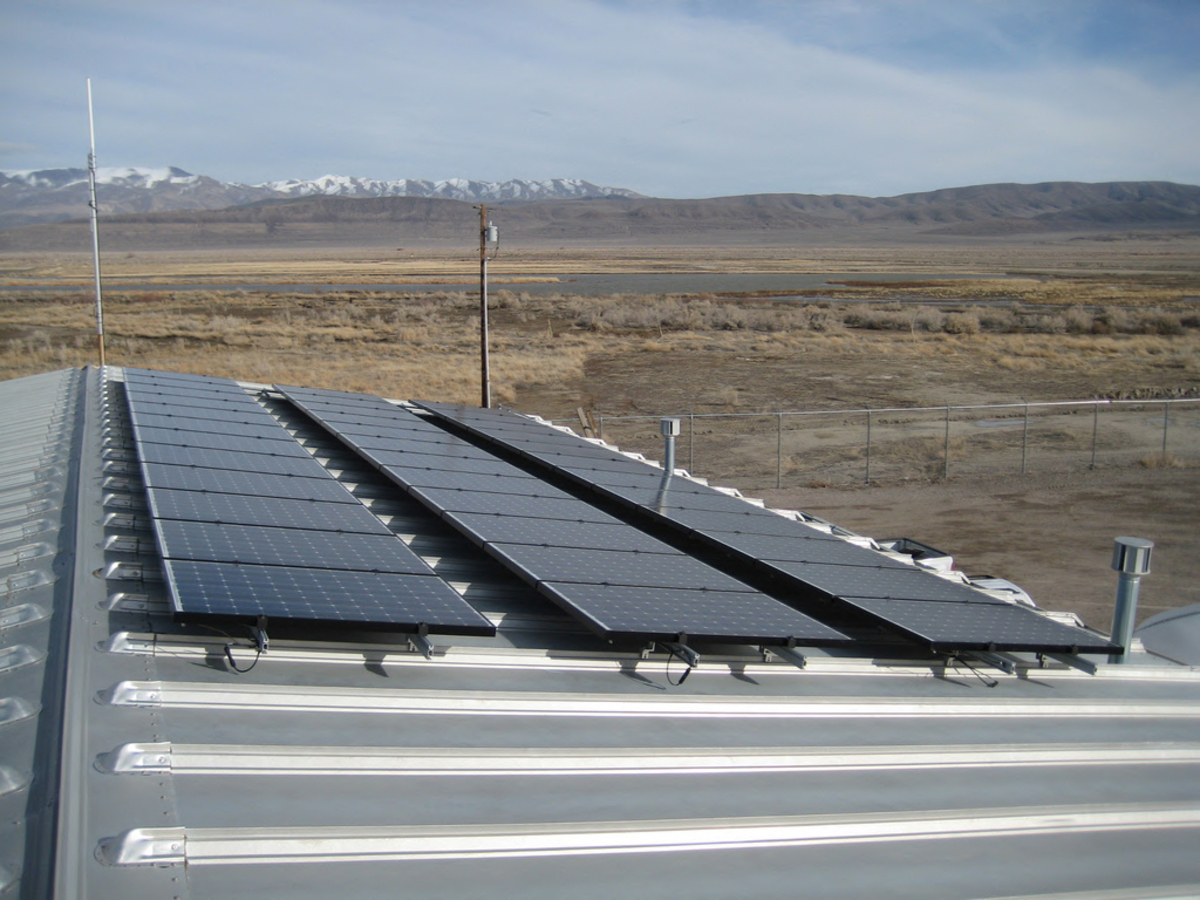
Checked the analysis by CREA lead analyst Lauri Myllyvirta, plus separate AP and Reuters reports. The 450-million-tonne figure is a full-year projection based on export and destination-grid data, not a measured reduction; AP reports that outside experts could not independently validate the underlying estimate. Both photos are dated archive context and do not show the report or its findings.
A large projection, tied to deployment
China’s exports of solar panels, wind turbines, electric vehicles and batteries could prevent about 450 million metric tons of carbon dioxide emissions outside China this year, according to a new analysis. That is roughly 2% of annual emissions beyond China and comparable to Brazil’s yearly fossil-fuel emissions.
The estimate comes from the Centre for Research on Energy and Clean Air (CREA), a Finland-based research group. It counts the emissions expected to be avoided when exported equipment is installed and replaces more carbon-intensive power or transport. The 2026 total is a projection: the analysis extrapolates from trade and energy data for the first nine months.
Solar leads, with much of the benefit in developing economies
The analysis says the avoided-emissions impact of Chinese clean-technology exports rose 26% year on year during the first three quarters of 2026, after a 36% increase in 2025. Exports grew across several categories: electric vehicles rose 61%, wind turbines 45%, batteries 39% and solar equipment 22% compared with the same period last year.
Solar accounts for the largest share of the projected lifetime savings. The analysis estimates that 76% of emissions avoided over the exported equipment’s lifetime will accrue in the Global South, including 52% in South and Southeast Asia, where solar equipment can displace power from more carbon-intensive grids.

The estimate has limits—and trade-offs
CREA’s model accounts for emissions from manufacturing the equipment in China and compares expected generation or vehicle use with the energy sources displaced in importing countries. It estimates that the avoided emissions outweigh manufacturing emissions after about six months of operation. The 8.4 billion tonnes projected over the equipment’s full lifetime is a separate cumulative estimate, not an annual saving.
The figures remain model-based rather than a direct measurement of emissions reductions. AP reported that outside experts considered the estimate plausible in scale but could not independently validate its underlying data. Reuters also reported that cheaper Chinese equipment can expand clean-energy markets while squeezing revenues for established manufacturers. The climate effect therefore depends on equipment being installed and actually replacing fossil-fuel use.
Sources
3 references
- Centre for Research on Energy and Clean Air / Carbon BriefChina’s clean-tech exports in 2026 to avoid as much CO₂ as Brazil emits in a yearAnalysis by CREA lead analyst; underlying estimate · 2026-10-29
- Associated PressChina’s record-breaking exports of clean tech are making a big dent in emissions, report saysIndependent reporting; notes limits on external validation · 2026-10-29
- ReutersChina clean tech exports to cut global emissions by Brazil-sized amount in 2026Independent reporting on the same analysis · 2026-10-29