Treasury’s announcement and fact sheet were compared with Reuters reporting carried by CNA and specialist coverage from BioPharm International. China’s response is attributed to Reuters; its original ministry statement was not independently retrieved.
Beijing challenges the proposed expansion
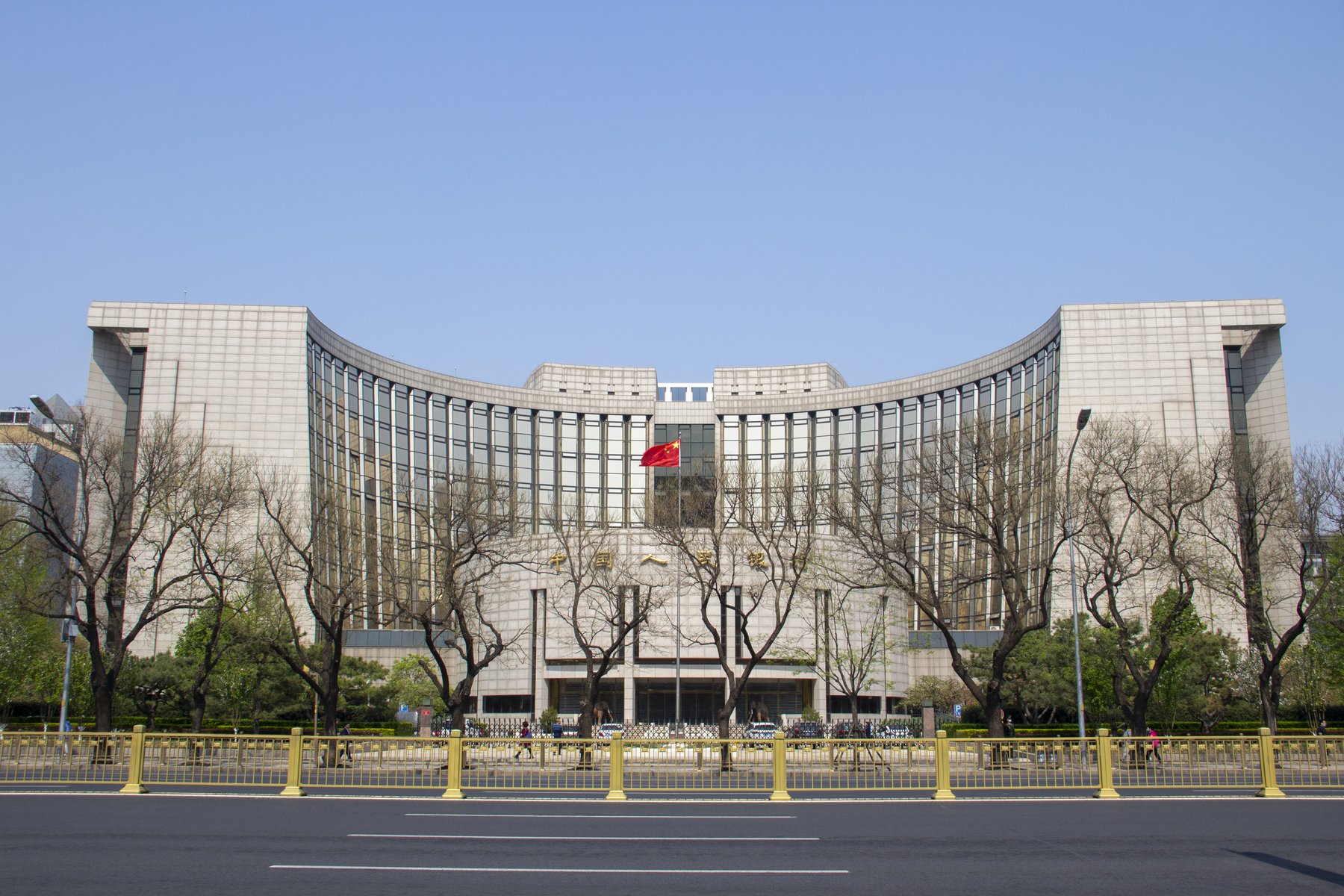
China’s commerce ministry called on Washington on October 24 to abandon a proposed expansion of restrictions on US investment in sensitive technologies, Reuters reported. The ministry said the changes would harm economic relations and reserved the right to respond, without specifying countermeasures.
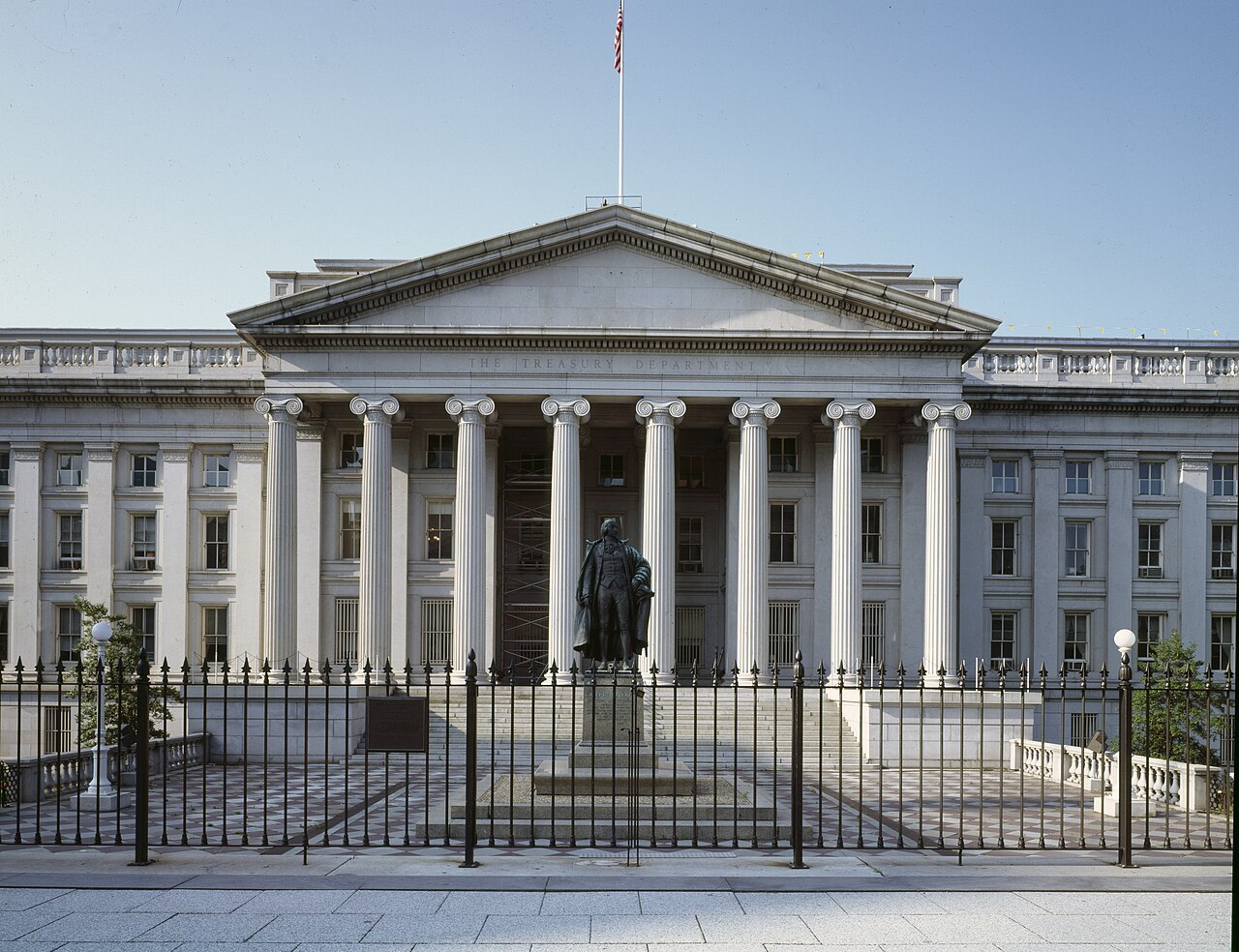
The objection follows an October 22 US Treasury proposal implementing the Comprehensive Outbound Investment National Security Act. Treasury says its aim is to prevent American capital from supporting technologies that could strengthen foreign adversaries’ military, intelligence and surveillance capabilities.
The proposal adds biotechnology alongside sectors including semiconductors, artificial intelligence, quantum technology, high-performance computing and hypersonic systems. Some covered transactions would require notification; others would be prohibited. Treasury will issue final regulations and an effective date after considering public comments.

The structure of a deal would matter
Treasury’s fact sheet identifies equity purchases, certain convertible debt, joint ventures and new facilities among the transaction types potentially covered. It also proposes exceptions for publicly traded securities and investment-company securities such as mutual funds and exchange-traded funds.
A proposed small-transaction exception applies only to notification requirements: transactions aggregating no more than $50,000 over the preceding 12 months. That figure is not a blanket exemption from investment prohibitions.
For biotechnology companies, the question reaches beyond funding to how cross-border partnerships are structured. BioPharm International reported that equity-linked and joint-venture arrangements could be more exposed than pure licensing agreements. In a statement to the publication, industry association MassBio stressed the value of international partnerships in bringing discoveries into US drug development and said restrictions should be carefully targeted.
Written comments on the proposal are due December 7, 2026. Treasury is seeking feedback on transaction scope, definitions, notification requirements and enforcement.
Sources
4 references
- Reuters via CNAChina urges US to halt proposed expansion of outbound investment curbsSyndicated independent reporting · 2026-10-25
- US Department of the TreasuryProposed rule to implement the COINS ActPrimary policy announcement · 2026-10-22
- US Department of the TreasuryCOINS Act proposed rule: fact sheet and FAQsPrimary explanation of proposed scope and exceptions · 2026-10-22
- BioPharm InternationalTreasury proposes adding biotech to outbound investment restrictions under COINS ActIndependent specialist reporting and industry response · 2026-10-23