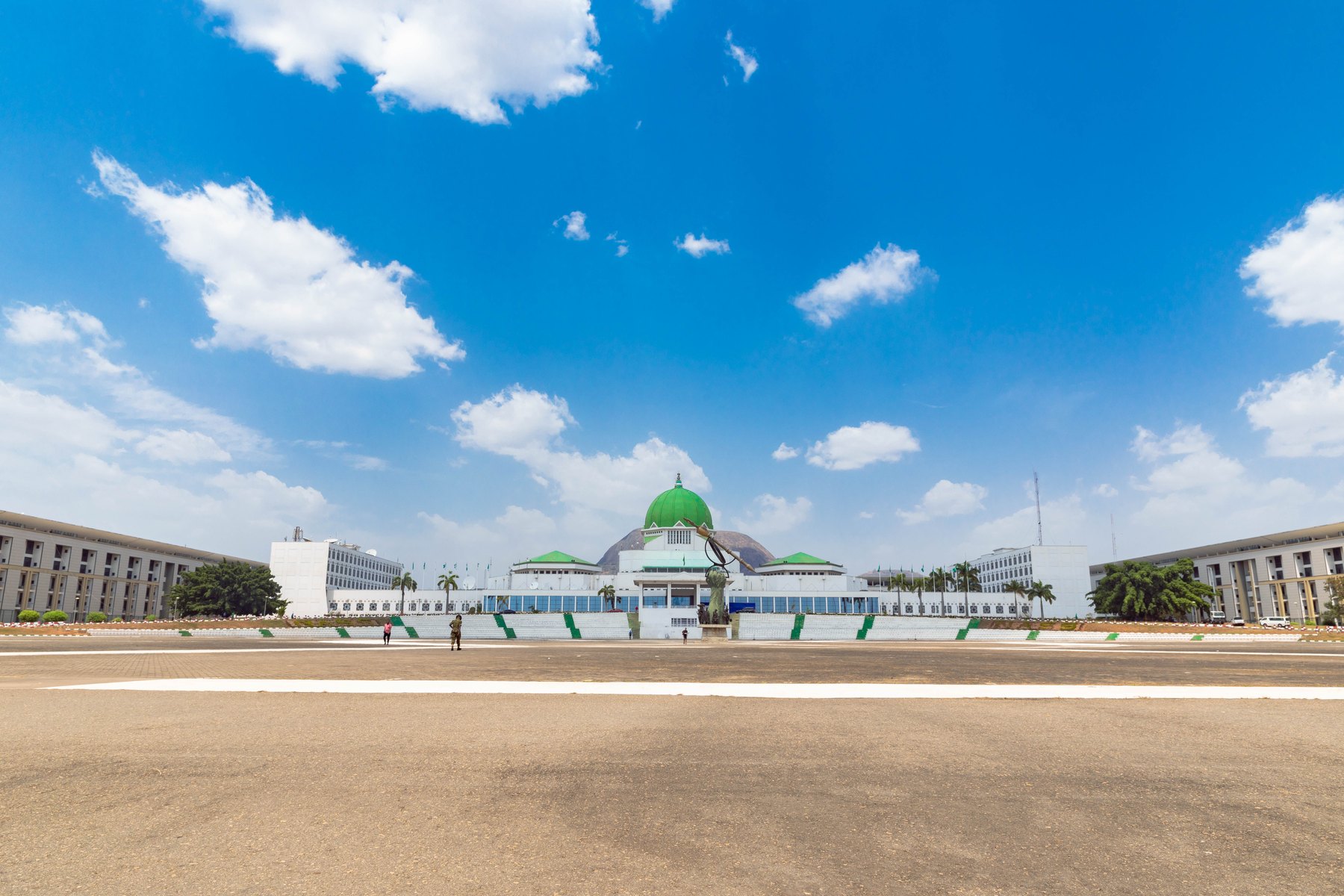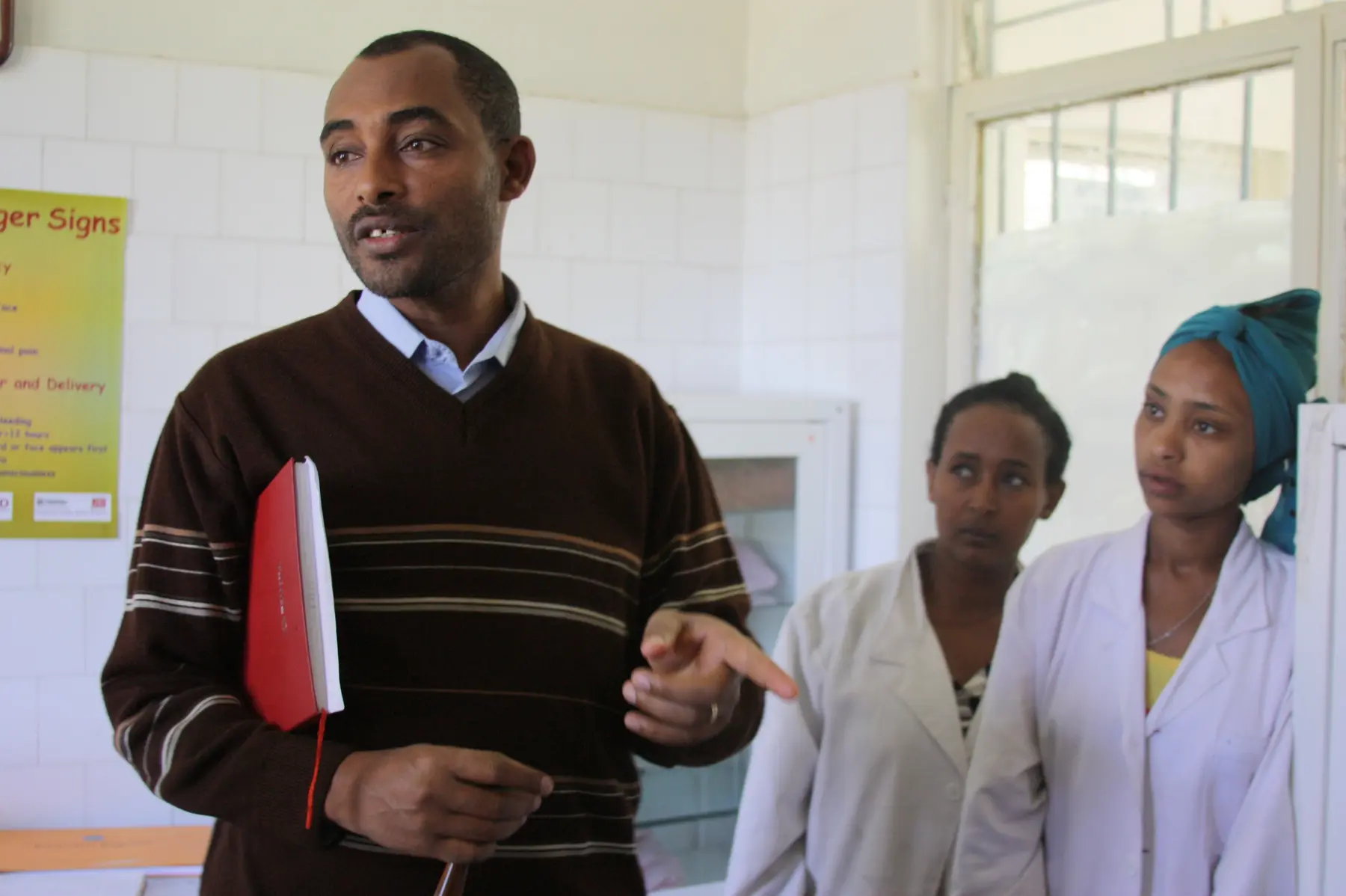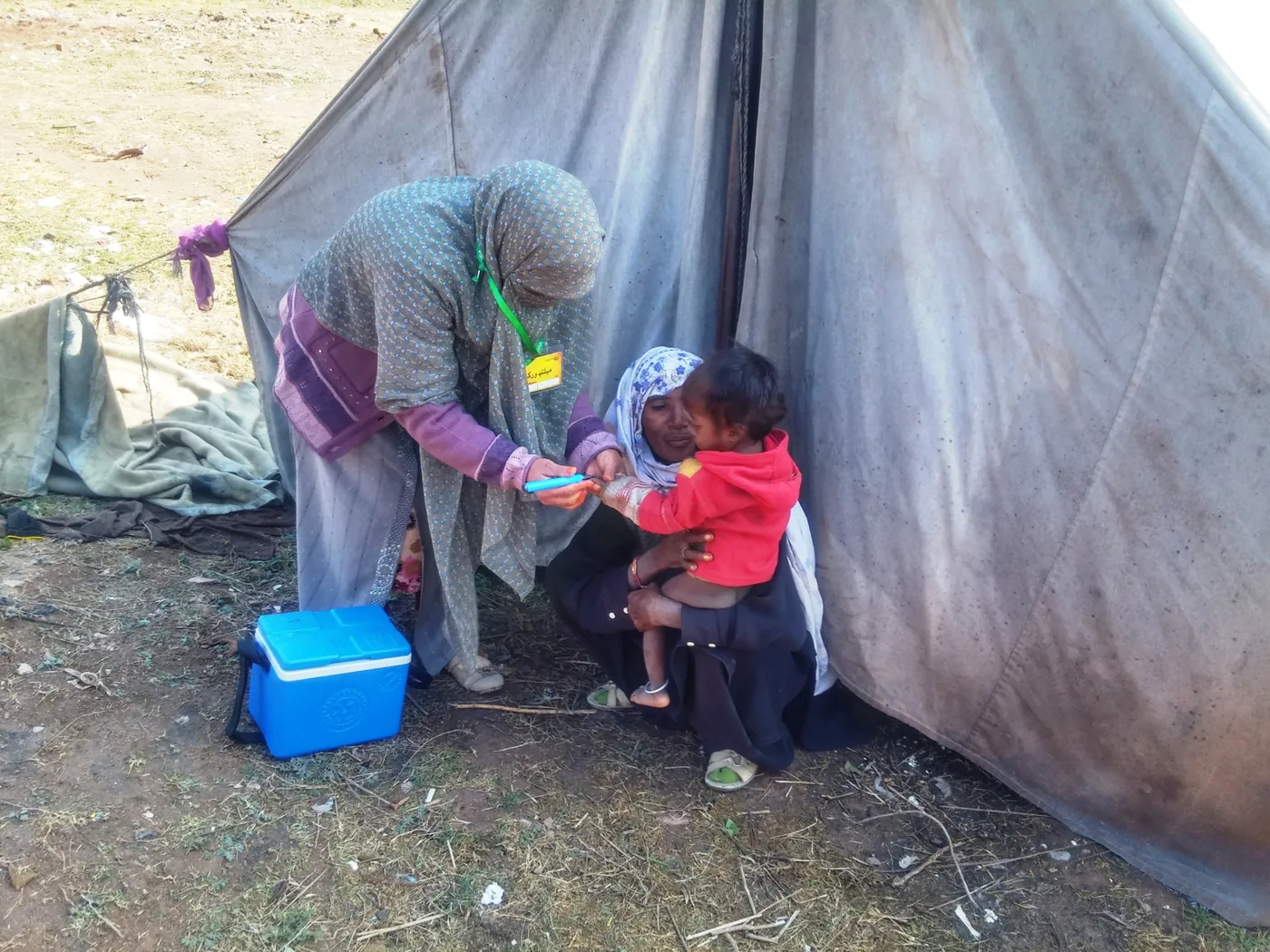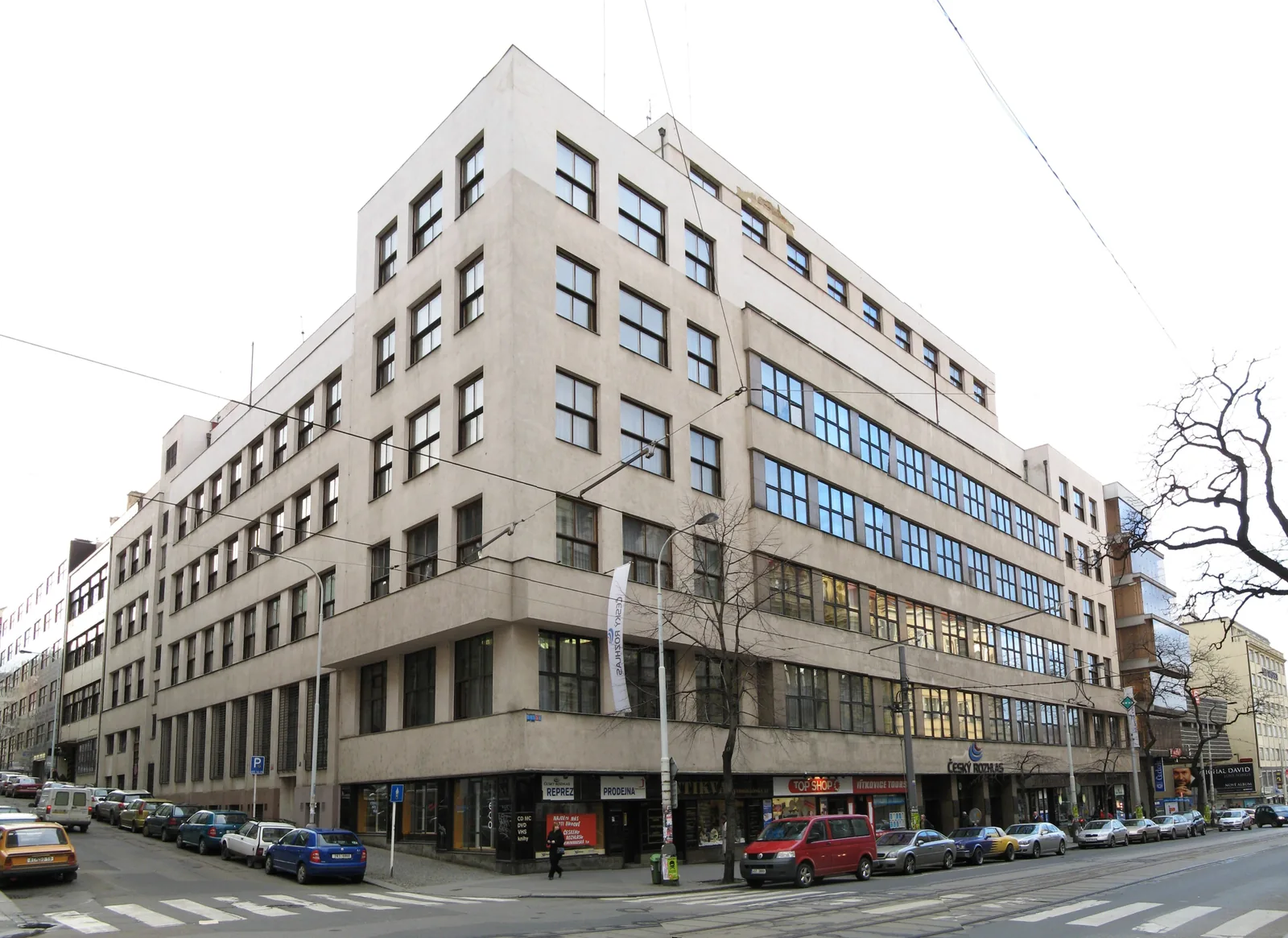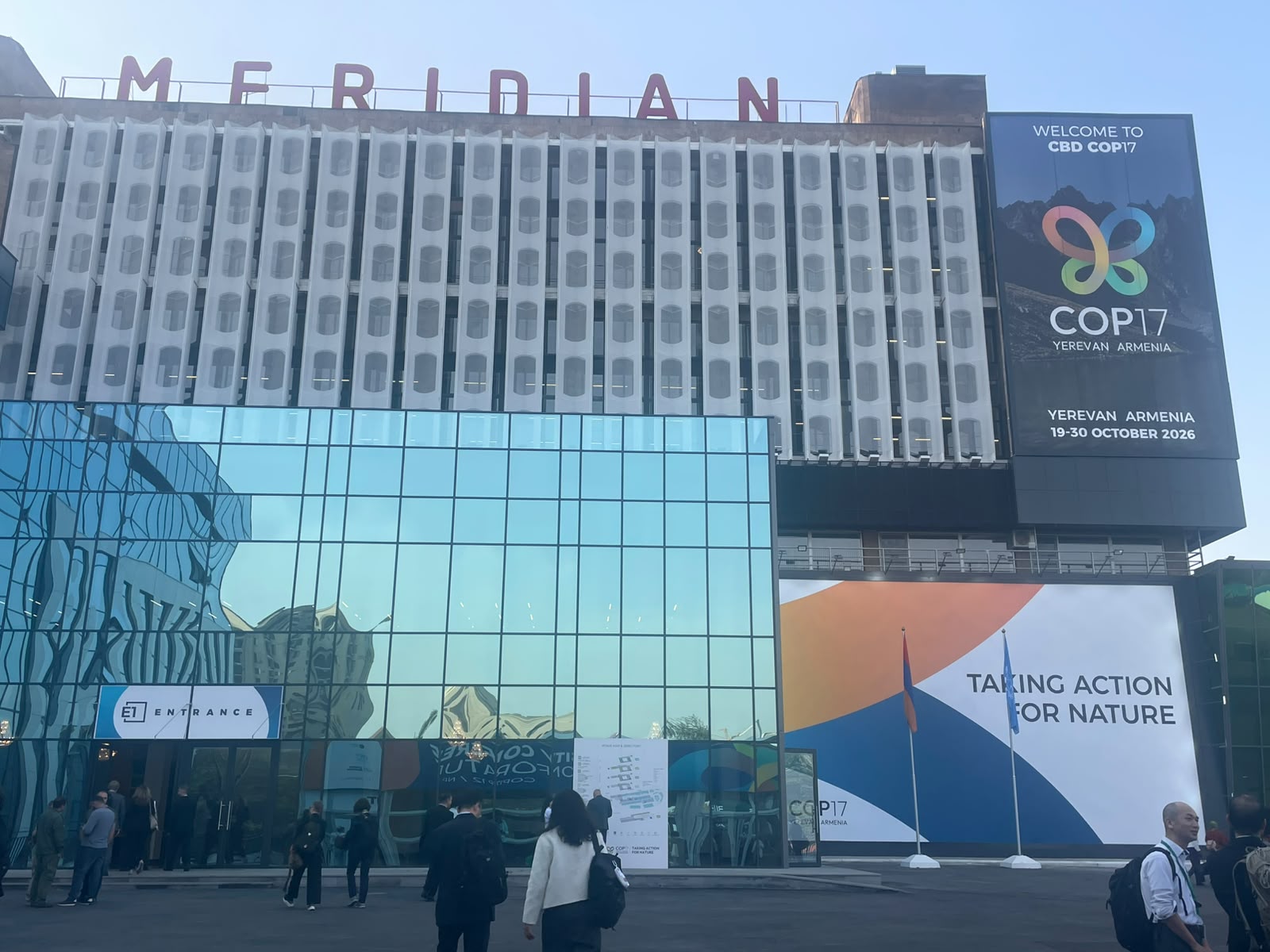
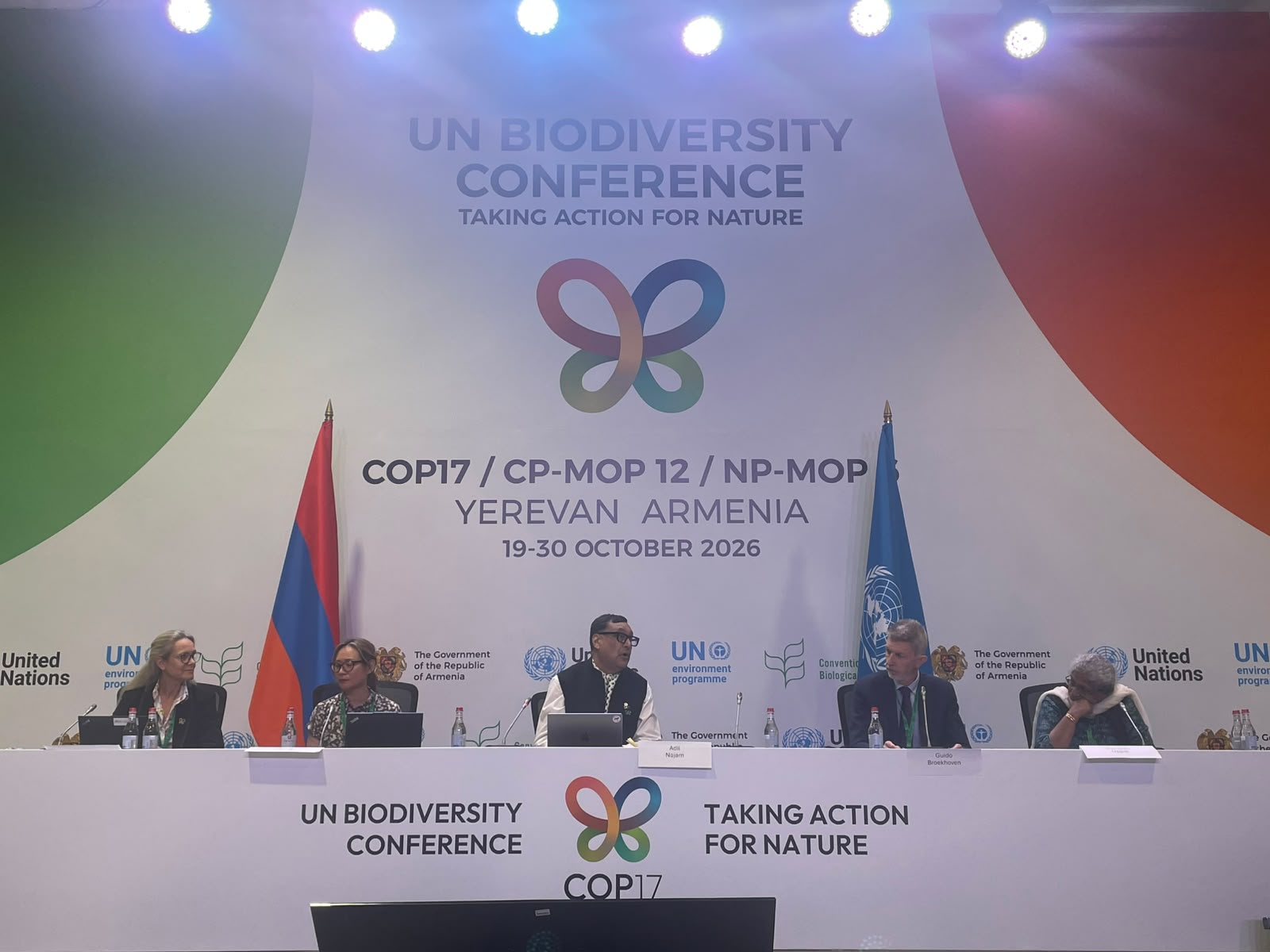
The Convention on Biological Diversity’s Oct. 31 closing release and global review, plus Reuters’ independent account, confirm the Yerevan Pathway, nearly 50 decisions, and the review’s finding that the world is off track across 23 targets. The official review notes reporting and data gaps, so the finding is a collective assessment, not a complete census of every ecosystem. The CBD describes nearly $2 billion in funding announcements; these are not evidence that the money has already been disbursed. Both photos are event-context images: the venue on Oct. 24 and a WWF press conference on Oct. 19, not the closing negotiations.
A roadmap after a warning
Governments at the UN biodiversity conference in Yerevan adopted the “Yerevan Pathway” on Oct. 31, setting priorities for faster action on the global plan to halt and reverse nature loss by 2030. The meeting also adopted nearly 50 decisions spanning scientific, technical and implementation issues, the Convention on Biological Diversity said.
The pathway follows the first global review of the Kunming-Montreal Global Biodiversity Framework, agreed in 2022. That review concluded the world is off track across the framework’s 23 targets. The new roadmap calls for reforming subsidies that harm nature, more financial and technical support for developing countries, and closer alignment between national budgets and biodiversity goals.
The review has gaps as well as warnings
The global review is based on national reports, scientific evidence and other information. Its own decision document notes that some countries’ experiences—particularly those of small island states—were not well reflected because reports arrived late or data were missing. It also says fewer than half of the national targets associated with any global target were reported by countries as on track.
That makes the assessment a serious warning about collective progress, not a complete measurement of every species or ecosystem. The review found examples of action across all 23 targets, while also identifying broad shortfalls in implementation, monitoring and finance.
Announcements still need to become delivery
The CBD said nearly $2 billion in new biodiversity funding was announced around the conference, including support linked to the next replenishment of the Global Environment Facility and new conservation initiatives. Reuters reported that governments, philanthropies and investors announced more than $1.8 billion. Those announcements are not proof that the full sums have already been transferred to projects.
The distinction matters because the 2022 framework calls for mobilising $200 billion a year for biodiversity by 2030, Reuters reported. The Yerevan deal also includes rules for a new permanent body on Indigenous peoples and local communities, known as the Sevan Guidelines. The next test is whether governments turn the pathway into national policies, measurable progress and funding on the ground before COP18 in Ecuador.
Sources
3 references
- Convention on Biological DiversityUN Biodiversity Conference charts Yerevan Pathway to accelerate global action for natureOfficial closing release confirming adoption of the Yerevan Pathway, nearly 50 decisions, the 23-target review and funding announcements. · 2026-10-31
- ReutersCountries reach COP17 deal to speed up biodiversity action, but money still shortIndependent report on the overnight negotiations, implementation gaps, annual finance target and more than $1.8 billion announced during the conference. · 2026-10-31
- Convention on Biological DiversityGlobal review of collective progress in implementing the Kunming-Montreal Global Biodiversity FrameworkPrimary review document describing reporting and data limitations, uneven implementation and finance gaps behind the global assessment. · 2026-10-29