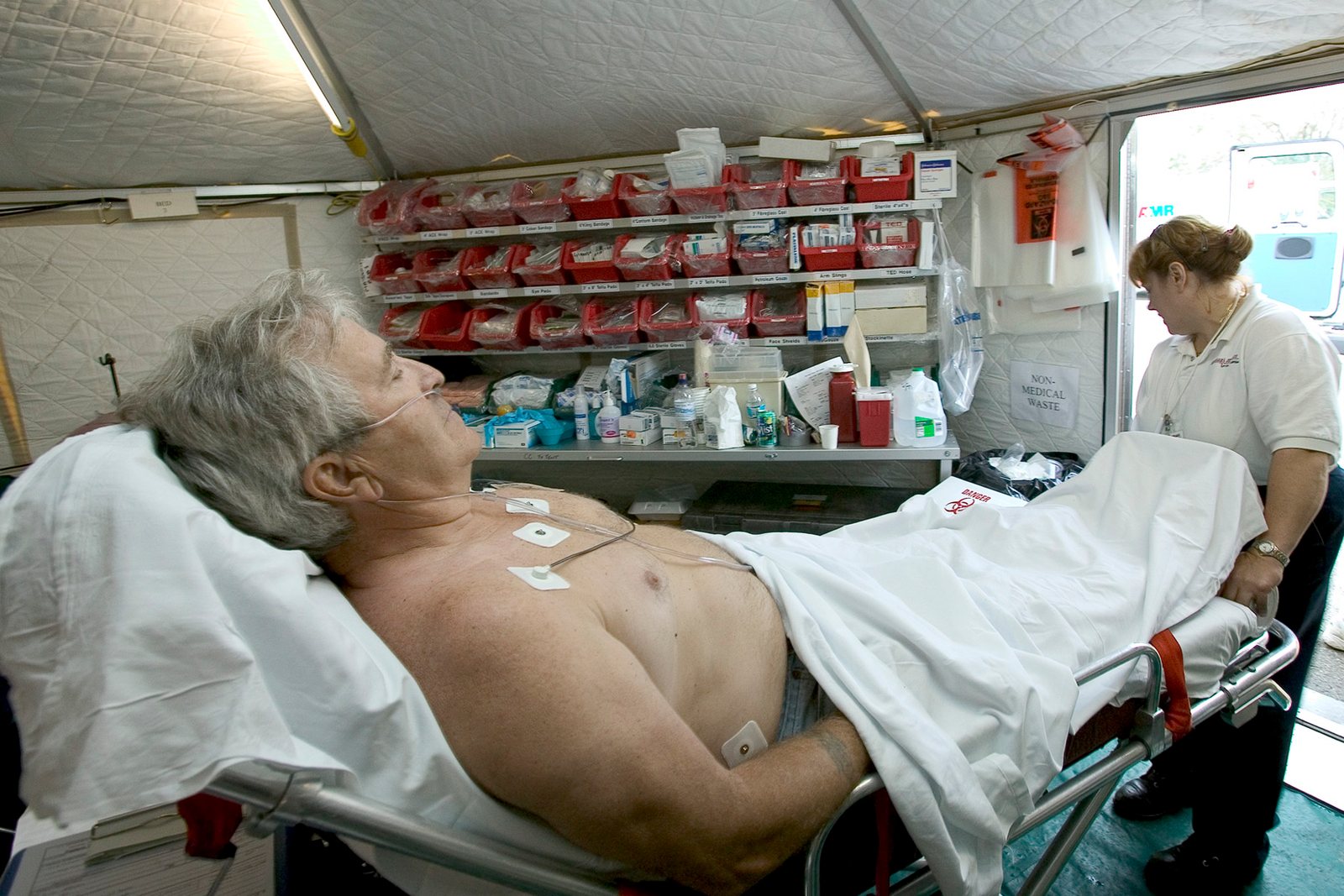
The World Health Organization’s Africa regional office is the primary source for the meeting dates, location, expected attendance and agenda. This report describes the gathering as it opens; the source had not announced decisions or outcomes, and none are attributed here. WHO’s September notice confirms that Ethiopia’s national Emergency Medical Team achieved WHO classification that month. The photos are dated archive context, not images of the Addis Ababa meeting: the lead shows a FEMA disaster medical team in Florida on Aug. 19, 2004 (Andrea Booher/FEMA; U.S. federal work, public domain); the inline image shows the UK Emergency Medical Team building a field clinic in southern Turkey on Feb. 13, 2023 (FCDO/UK-Med; CC BY 2.0). Both originals were resized proportionally and re-encoded for the site, with no cropping or content edits. Credits and reuse links appear with each image.
A first for the WHO African Region
Ethiopia is hosting the seventh global meeting of Emergency Medical Teams in Addis Ababa from Nov. 3 to 5, the first time the gathering has taken place in the World Health Organization’s African Region. WHO’s regional office said more than 800 participants from over 100 countries were expected.
Emergency Medical Teams are groups of health professionals who can be deployed to provide care during disasters, disease outbreaks and other emergencies. The meeting brings governments, response teams and partner organizations together to examine how those teams can be made more ready to respond.
Readiness, standards and funding on the agenda
WHO says discussions will cover sustainable financing, common standards, operational readiness and international cooperation. These issues shape whether teams can maintain trained staff and equipment before a crisis, coordinate with local authorities during one, and work alongside other responders without duplicating services.
The announcement describes the meeting’s planned agenda, not decisions already taken. It does not report new commitments or a final declaration, and the three-day gathering had only begun when this article was prepared.
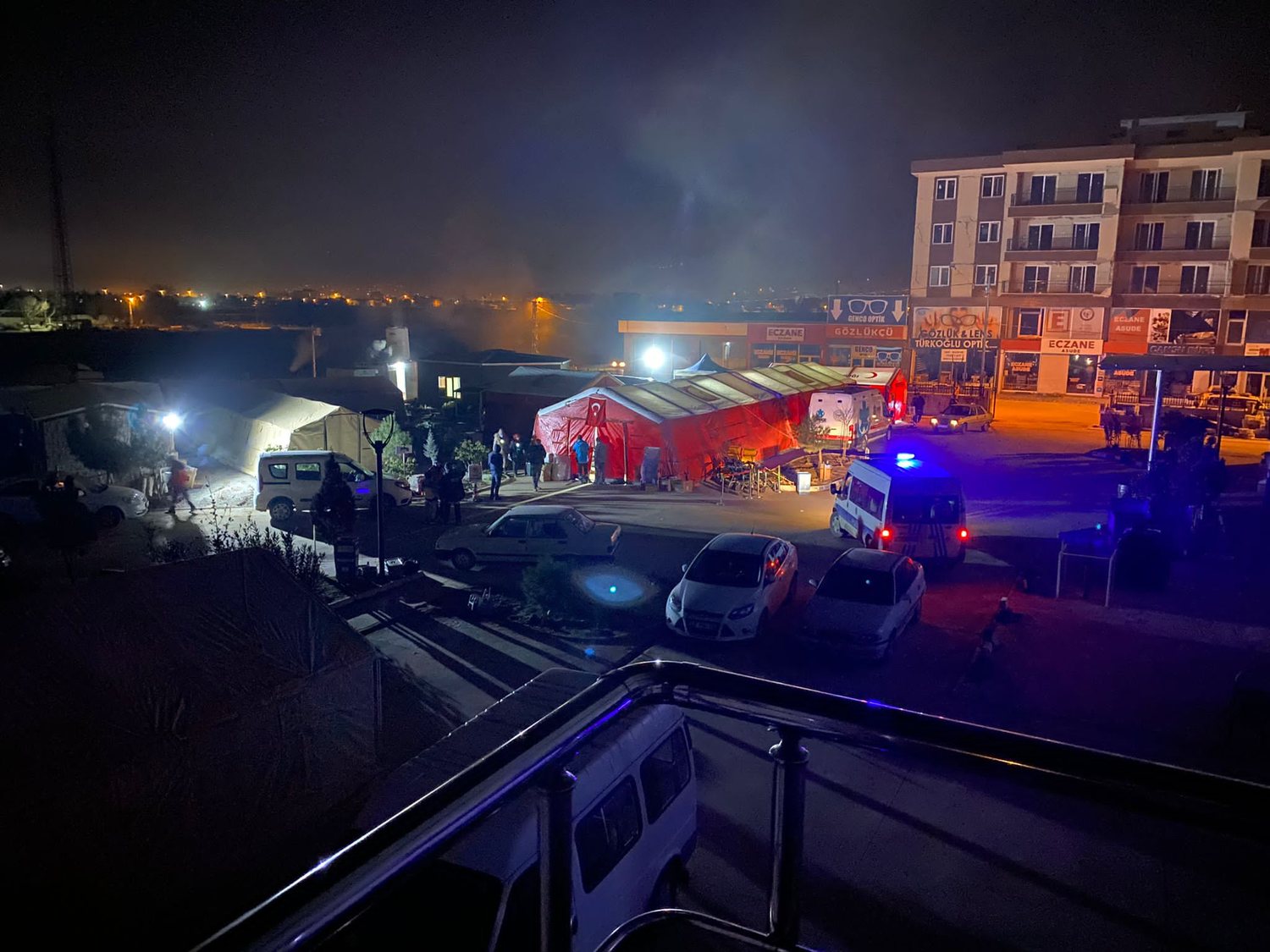
Ethiopia’s team received WHO classification in September
The host country enters the meeting after its national Emergency Medical Team achieved WHO classification in September. WHO said that made it the first civilian team in the African Region to receive that recognition; the distinction does not mean it was the region’s first classified team of any kind.
The Addis Ababa meeting is intended to strengthen the network before future emergencies. Whether the discussions produce new funding or changes to deployment standards will become clearer after the meeting concludes.
Sources
2 references
- World Health Organization Regional Office for AfricaEthiopia hosts first Emergency Medical Teams global meeting in AfricaPrimary source for the Nov. 3–5 Addis Ababa meeting, expected attendance from more than 100 countries, its agenda and the WHO description of Emergency Medical Teams. · 2026-11-02
- World Health Organization Regional Office for AfricaEthiopia achieves historic WHO verification of national emergency medical teamWHO reported that Ethiopia’s national team achieved WHO classification in September 2026. · 2026-09-15