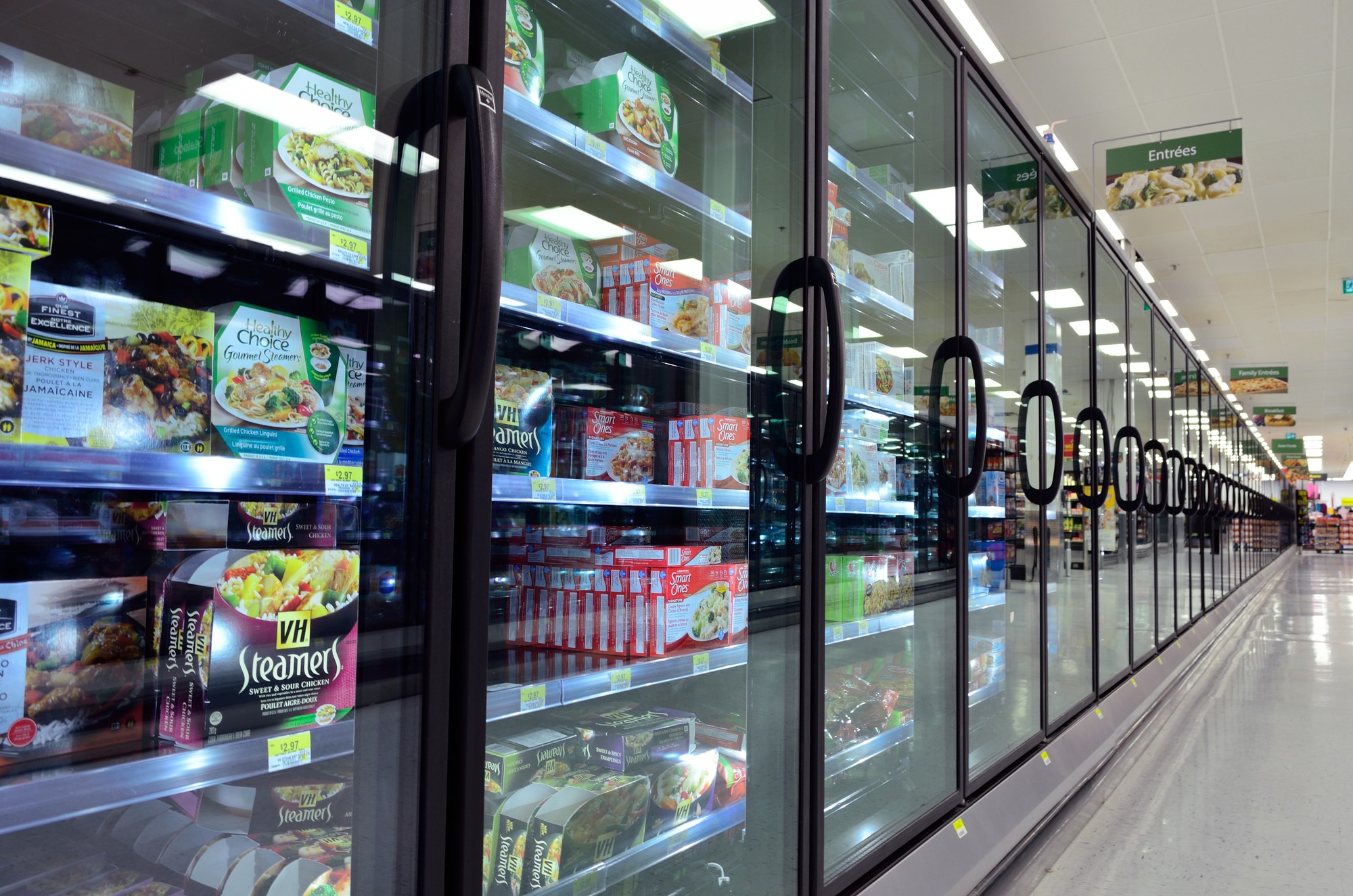
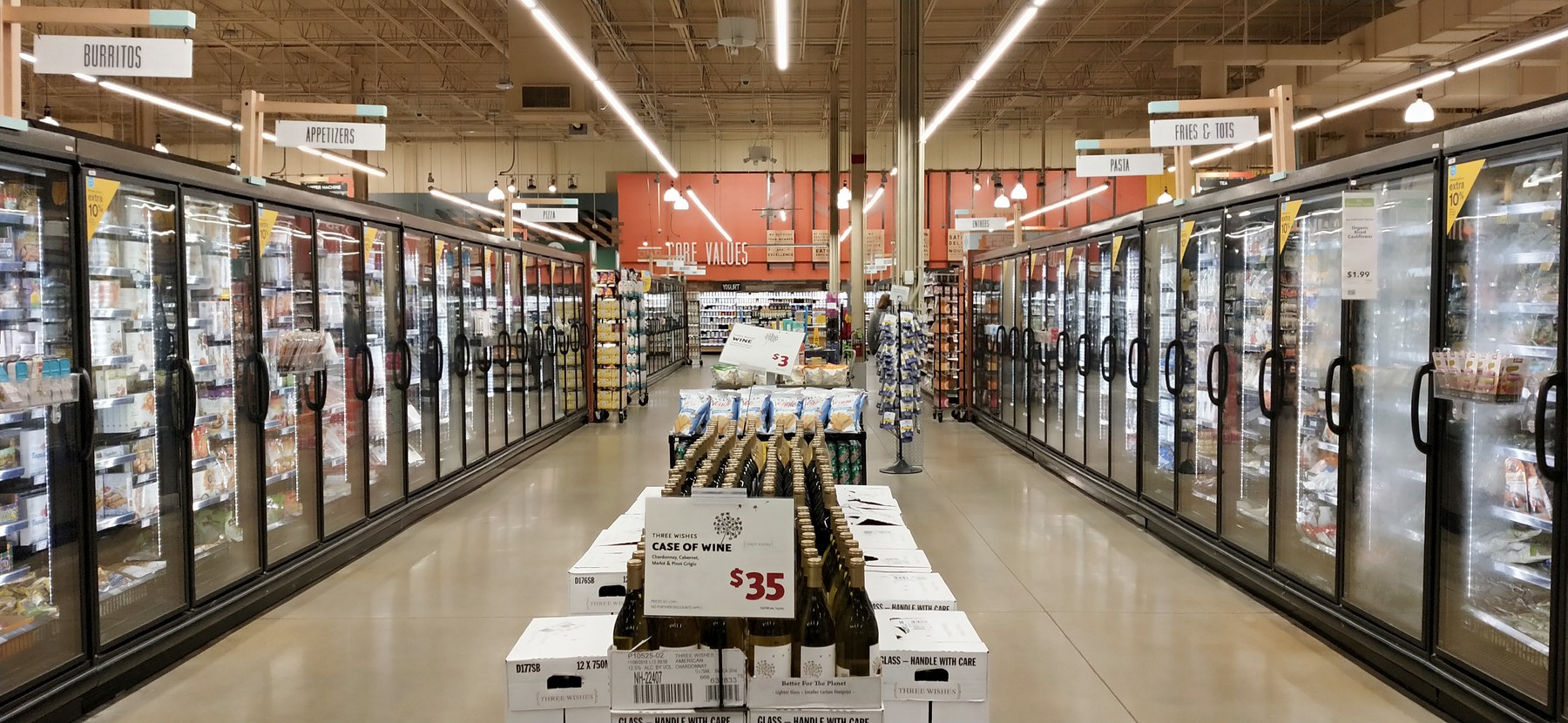
Reuters and the Associated Press independently reported the Nov. 2 refrigeration incidents, drawing on retailer statements and local reporting. The affected reports span Sweden, Belgium, Luxembourg, Ireland and Estonia, but the available reporting does not establish that they were one coordinated operation. Sweden's National Cybersecurity Centre said it was working on several grocery-store incidents and would not speculate on who was responsible. The reports reviewed did not identify an attacker. Current-event photographs were available only under licensing terms that were not obtained. The two photographs here are dated archive context images, not stores affected by the incidents: Raysonho's 2016 frozen-food aisle photo is CC0; AG20044018's 2019 refrigeration-aisle photo is CC BY-SA 4.0. The latter was resized and re-encoded without cropping; the adapted image is shared under the same license.
Retailers report incidents in five countries
Grocery operators in Sweden, Belgium, Luxembourg, Ireland and Estonia reported refrigeration disruptions on Monday, Nov. 2, after overnight incidents raised temperatures in some shop fridges and freezers. Several retailers described an IT or cybersecurity incident, but the reports do not establish that every case was part of one operation.
Ahold Delhaize and Colruyt said an overnight IT incident affected cooling systems in dozens of stores in Belgium and Luxembourg, Reuters reported. Swedish chains ICA and Coop also reported temperature spikes. An ICA franchise manager told Reuters that a cyberattack had pushed the freezers at one Stockholm store to 50°C; ICA described the number of affected outlets as limited. The Associated Press, citing Swedish news agency TT, reported that six Coop stores had been affected.
Food losses and uncertain attribution
Reuters reported refrigeration-related incidents affecting 13 SuperValu stores in Ireland and an Estonian case in which an equipment supplier said a customer's cooling system was accessed during a cyberattack. The supplier said the temperature reached 50°C, but did not identify the store. The reports describe food being removed or spoiled at some affected locations; the full scale of losses was not established.
Sweden's National Cybersecurity Centre said it was working on several incidents involving grocery-store refrigeration systems. Its head, John Billow, told Reuters he could not speculate on who was behind them. Neither Reuters nor the Associated Press identified a responsible actor.
A physical disruption through digital controls
The incidents show how networked equipment used to control temperature can affect an ordinary part of food retail. If refrigeration is interrupted long enough, stores may need to remove chilled and frozen products while checking whether they remained within safe temperature ranges. The reporting reviewed here does not establish the wider supply effects, if any, beyond the affected stores.
The events follow an October incident in France in which police said hackers took control of supermarket cooling units. Reuters reported it could not establish whether Monday's cases were linked to that attack. Similar symptoms do not, by themselves, prove a shared culprit or method.
Sources
4 references
- ReutersTemperature soars at Swedish grocery store freezers, one store blames hackersReported retailer statements and incidents in Sweden, Belgium, Luxembourg, Ireland and Estonia; quoted Sweden's cybersecurity centre head saying investigators could not speculate on the actor. · 2026-11-02
- Associated PressFreezers at supermarkets in several European countries hit by apparent cyberattacksIndependently reported overnight incidents, including retailer statements about affected Swedish stores and an Estonian refrigeration-system case. · 2026-11-02
- Wikimedia Commons — image source and licenseFrozenFoodSupermarket.jpg by Raysonho — CC0 1.0Archive context photograph; author-released under the CC0 1.0 Universal Public Domain Dedication. · 2016-01-21
- Wikimedia Commons — image source and licenseRefrigeration aisle.jpg by AG20044018 — CC BY-SA 4.0Archive context photograph; used with attribution under CC BY-SA 4.0. The proportional resize and re-encoding are shared under the same license. · 2019-05-29