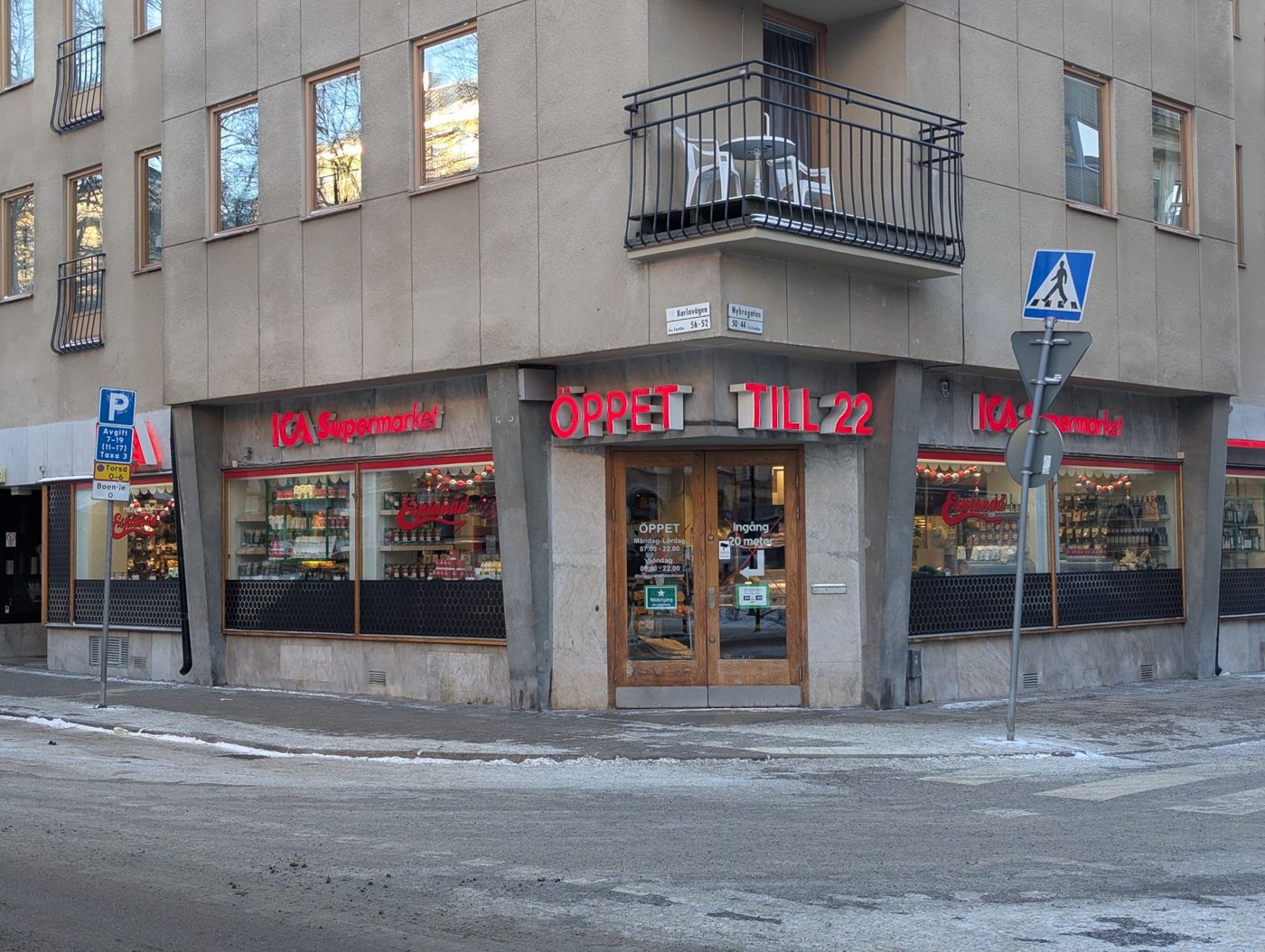
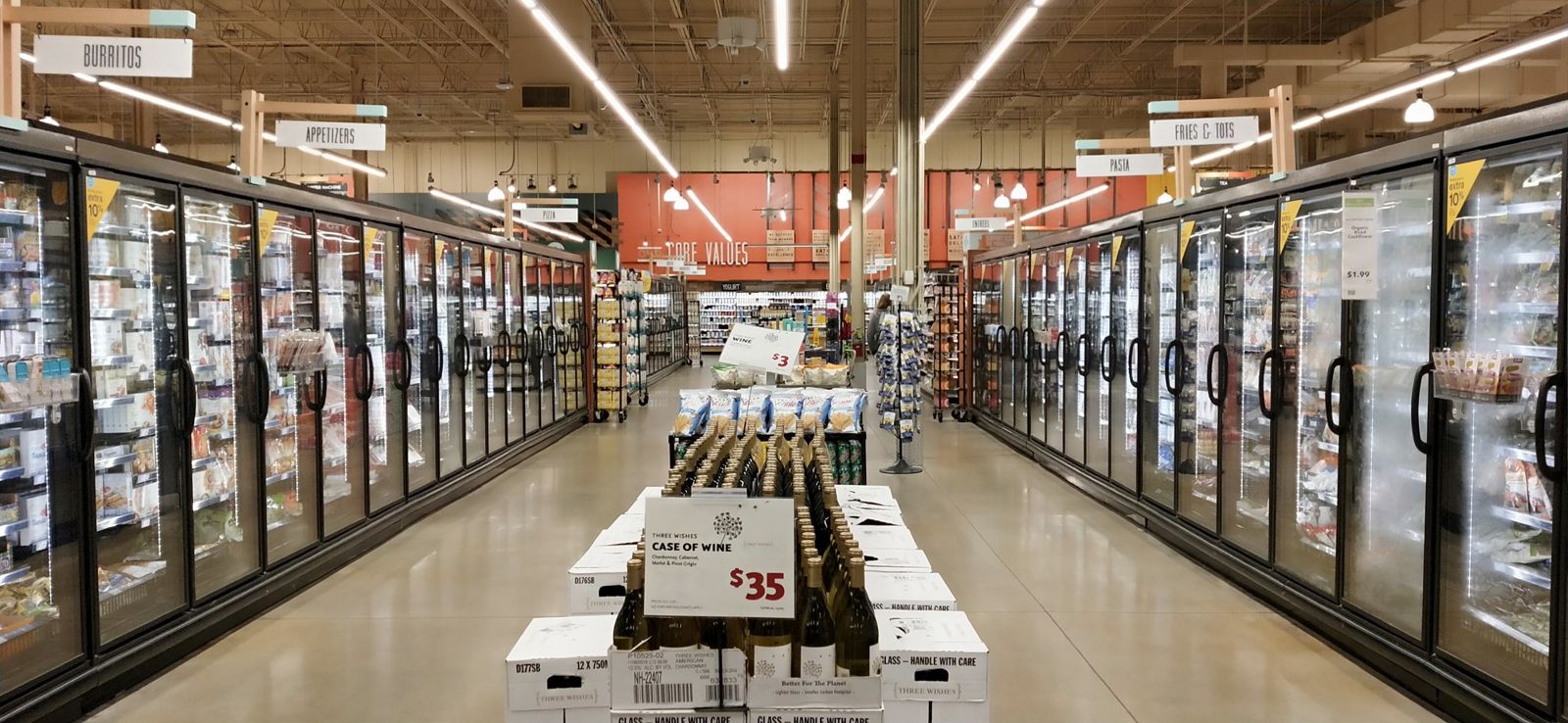
Retailers and news organizations reported refrigeration disruptions on Nov. 2 in at least seven European countries. The country count and geographic scope are based on The Guardian’s same-day reporting; AP independently confirmed incidents in Sweden, Belgium, Luxembourg, Ireland and Estonia, while Reuters reported on affected retailers in Belgium and Luxembourg and Swedish stores. Companies described the cause variously as a cyberattack, an IT incident or an overnight incident. No group has claimed responsibility, Reuters said, and it could not establish whether the events were linked to the French incidents reported in October. Counts such as six Coop stores, 13 SuperValu stores and 15 Carrefour locations refer to company-reported impacts, not a verified total of all affected outlets. The photographs are historical context only: an ICA storefront in Stockholm photographed on Nov. 23, 2024, and a commercial refrigerator aisle photographed on May 29, 2019; neither image depicts a location affected in 2026.
A second wave reaches shops across Europe
Supermarket chains in at least seven European countries reported refrigeration disruptions on Nov. 2, with some stores discarding food after refrigerators and freezers stopped cooling or their temperatures rose sharply. The reports followed similar attacks on French retailers in October, but investigators have not established that the events are connected.
Retailers in Belgium, Estonia, Ireland, Finland, Luxembourg, the Netherlands and Sweden reported problems, according to The Guardian. Companies used different descriptions, from “IT incident” to cyberattack, and not every retailer said it had confirmed an intrusion.
Retailers report spoiled stock, limited store impacts
In Sweden, ICA said a limited number of stores were affected and Coop reported problems at six outlets. Carrefour said 15 of its more than 700 Belgian stores were hit; Ireland’s Musgrave Group reported refrigeration issues at 13 SuperValu stores and said affected chilled and frozen products were removed as a precaution.
Ahold Delhaize said dozens of stores in Belgium and Luxembourg had refrigeration problems, but its distribution centers and deliveries continued normally. Its affected shops temporarily had fewer fresh and frozen products. The company said the range was being restored; the scale of losses across all retailers was not available.
Responsibility and links remain unconfirmed
Reuters reported that nobody had claimed responsibility for the incidents and that it could not determine whether the Nov. 2 events were linked to the French attack. Belgium’s Centre for Cybersecurity said the perpetrator was unknown. Sweden’s national cybersecurity centre said it was working on incidents around the country and had identified exposed operational technology devices that needed updates or patches.
Refrigeration controls can be monitored remotely for maintenance, but that connection also creates a route into equipment if it is not properly secured. Reuters said at least some affected units used Danish supplier Danfoss technology; the company said it was working with customers on fixes. The reports do not establish a single method or actor across the countries.
Sources
3 references
- ReutersNew cyberattack on supermarket fridges sweeps across EuropeIndependent reporting from Sweden and Belgium on retailer impacts, a Swedish cybersecurity-centre response, the unresolved attribution and possible links to the French incidents. · 2026-11-02
- Associated PressSupermarket freezers in several European countries hit by apparent cyberattacksIndependent reporting on country-specific retailer statements, food removals, distribution conditions and the lack of a confirmed perpetrator. · 2026-11-02
- The GuardianShop fridges and freezers across Europe hit by fresh suspected cyber-attackIndependent same-day reporting that retailers in at least seven European countries reported refrigeration problems and detailing the uncertainty around attribution. · 2026-11-02