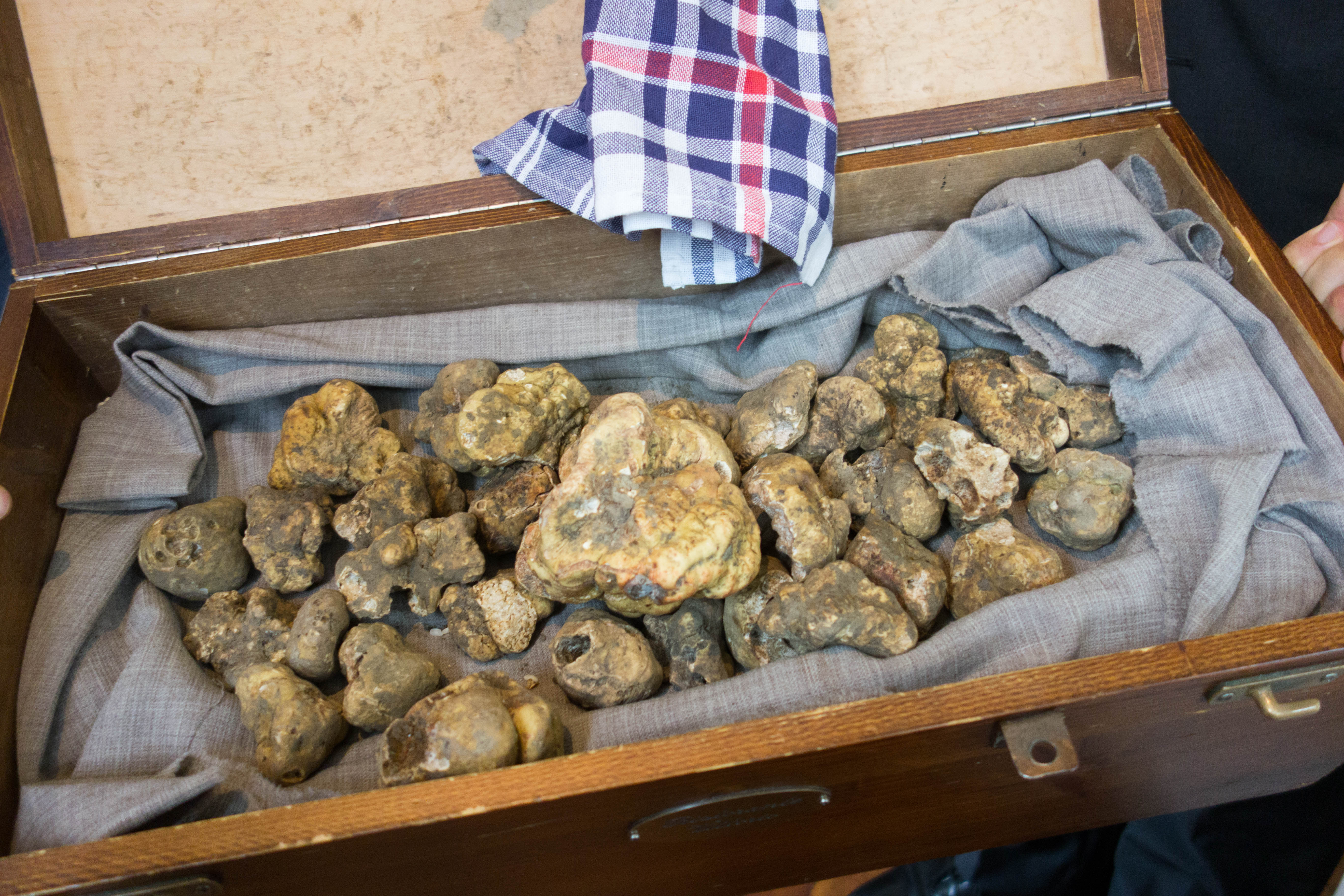
The Associated Press reported on Nov. 1 from Italy and Croatia, drawing on interviews with harvesters, market officials and scientists for assessments of this season. The reported 30% Croatian shortfall is a harvester’s estimate, not an official national production statistic; the Alba market price comparison is an industry estimate. The scientific paper cited below documents drought-related risk to white-truffle production in central Italy but does not establish that climate change alone caused specific 2026 losses. Photos are dated archival context: white truffles photographed in Alba in 2015 and truffle hunting in Montone in 2004; neither depicts the 2026 harvest.
A season shaped by heat and dry ground
White-truffle harvesters in Italy and Croatia are reporting a difficult autumn after hot, dry conditions across parts of the region. In a Nov. 1 report, the Associated Press described smaller truffles and weaker yields in Italy’s Piedmont region, home to the market at Alba, and a Croatian hunter’s estimate that his country’s 2026 harvest could be about 30% below normal.
Those figures are local assessments rather than a consolidated official harvest count. Recent rain has improved conditions in some places, the AP reported, but it cannot quickly reverse months of stress on the forests where the fungi grow.
A fragile crop with a long recovery horizon
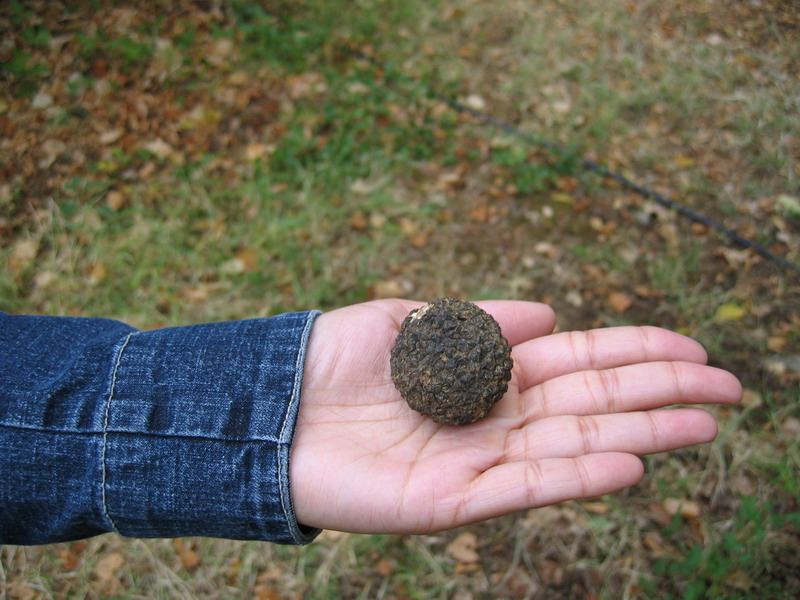
White truffles develop underground in association with tree roots, so a harvest depends on both the fungus and suitable forest habitat. Researchers studying production in central Italy have warned that drought can undermine yields and examined irrigation as one adaptation. The study does not assign this year’s losses to climate change alone, but it adds evidence that water stress is a risk for truffle cultivation.
The trade is valuable and seasonal: AP reported Alba market estimates placing white truffles roughly 20% to 30% above last year’s prices. Such prices can reflect scarcity and demand as well as harvest conditions, so they are not a direct measure of total production.
Adaptation takes patience
Producers and researchers are looking at forest management, water access and planting as ways to protect future supply. New truffle-producing trees take years to mature, AP reported, limiting how quickly growers can respond to changing conditions. For now, the season’s outlook rests on local observations while the region waits for a clearer picture of what the remaining weeks will bring.
Sources
2 references
- Associated PressFrom Italy to Croatia, a warming climate threatens prized white trufflesCurrent reporting from Italy and Croatia, including interviews with harvesters, scientists and Alba market officials; harvest and price figures are attributed estimates. · 2026-11-01
- MDPI AgronomyEnsuring the Sustainability of White Truffle Production Under Climate Stress: A Case Study on Tuber magnatum Picco in San Miniato, ItalyPeer-reviewed 2026 study on drought stress and an experimental irrigation approach at one central-Italian truffle site; preliminary results, not a measure of 2026 harvest totals. · 2026-06-01