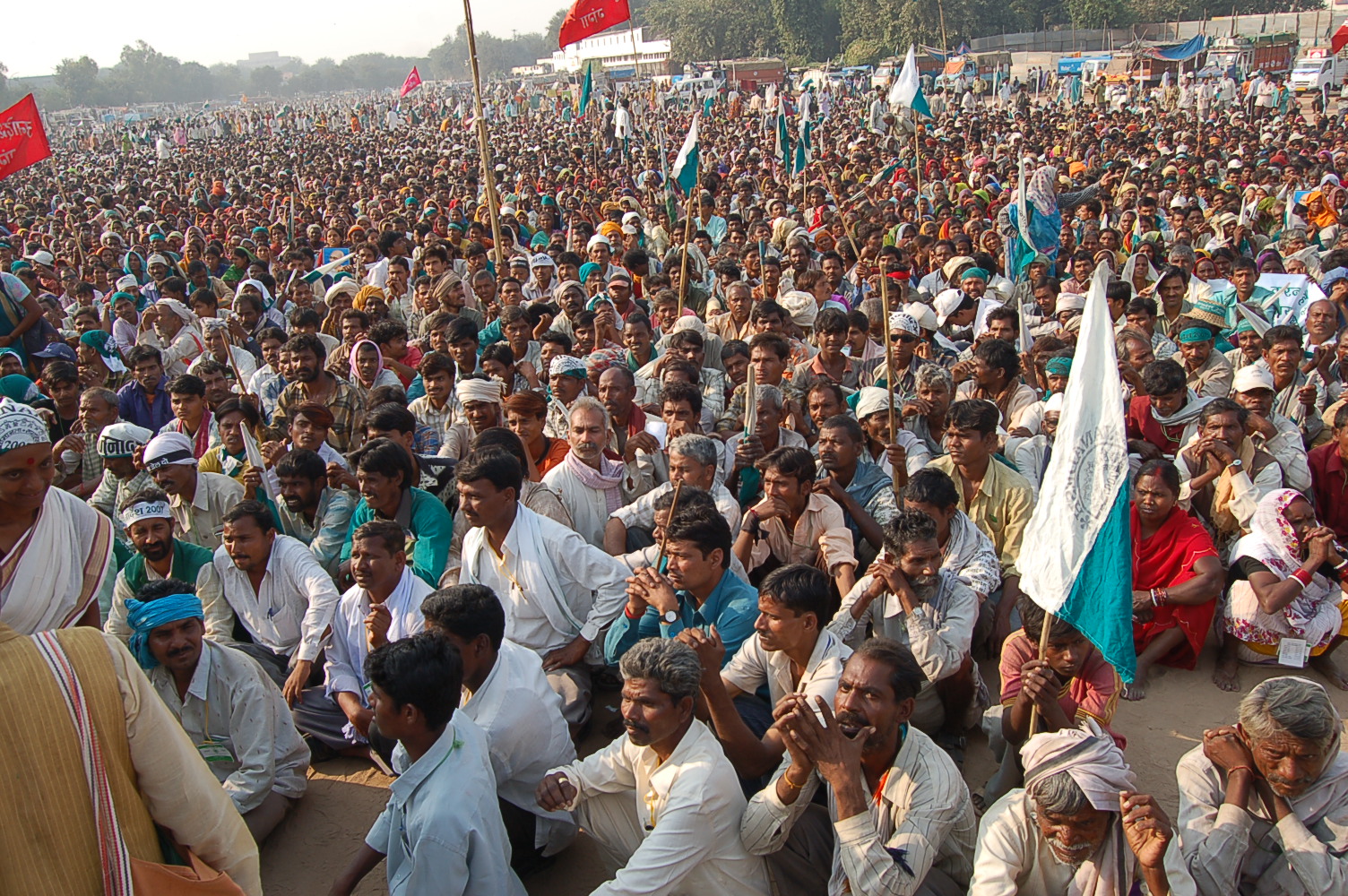
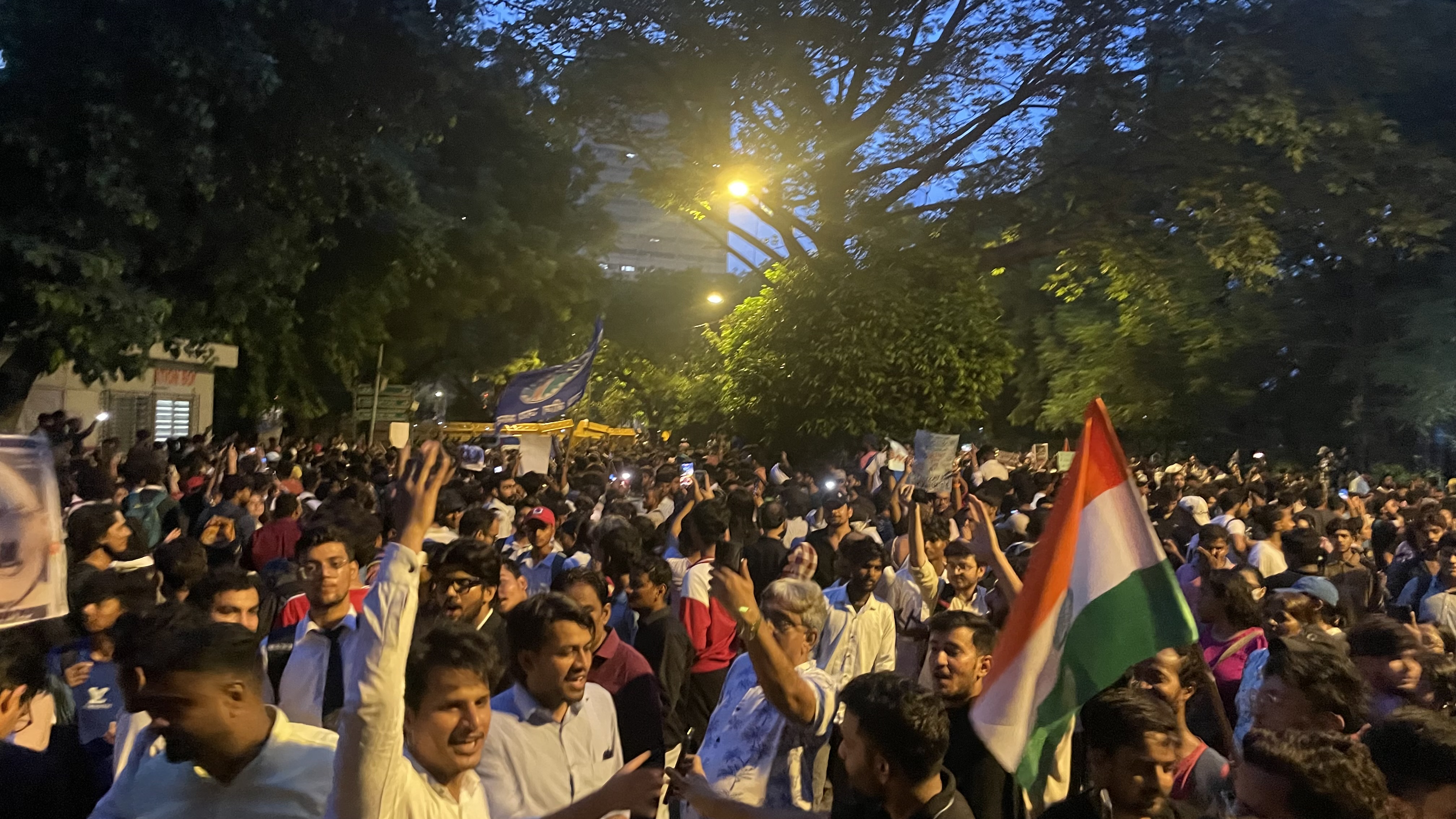
Reuters reported from the venue that people had begun arriving, security forces were deployed and the march was expected later on Nov. 1. The Economic Times separately reported student groups marching toward the venue and said the rally was scheduled for 11 a.m. IST. The reported 130-million figure is attributed to Reuters’ account of the voter-list revision, not presented as a count of people wrongly removed. Both photographs are dated archive context: one shows the Janadesh 2007 gathering at Ramlila Maidan; the other shows a separate July 2026 protest at Jantar Mantar. Neither depicts today’s rally.
A protest over the voter list
India’s opposition INDIA bloc is staging a major rally in central Delhi on Sunday to challenge a nationwide revision of voter lists and demand the resignation of Chief Election Commissioner Gyanesh Kumar. Supporters began gathering before the planned march to Ramlila Maidan, with police deployed around the venue and traffic restrictions in place, Reuters and The Economic Times reported.
The rally turns a months-long dispute over how electoral rolls are checked into a high-profile test of opposition coordination and public confidence in election administration. Rahul Gandhi and other opposition leaders were expected at the gathering. The alliance’s projected crowd was a forecast, not a verified attendance figure at the time of reporting.
What the dispute is about
The Election Commission’s Special Intensive Revision, or SIR, is a verification exercise intended to update electoral rolls. Reuters reported that more than 130 million names were removed across the exercise, including people recorded as deceased, relocated or untraceable. That total does not establish that all of those people were eligible voters or improperly excluded.
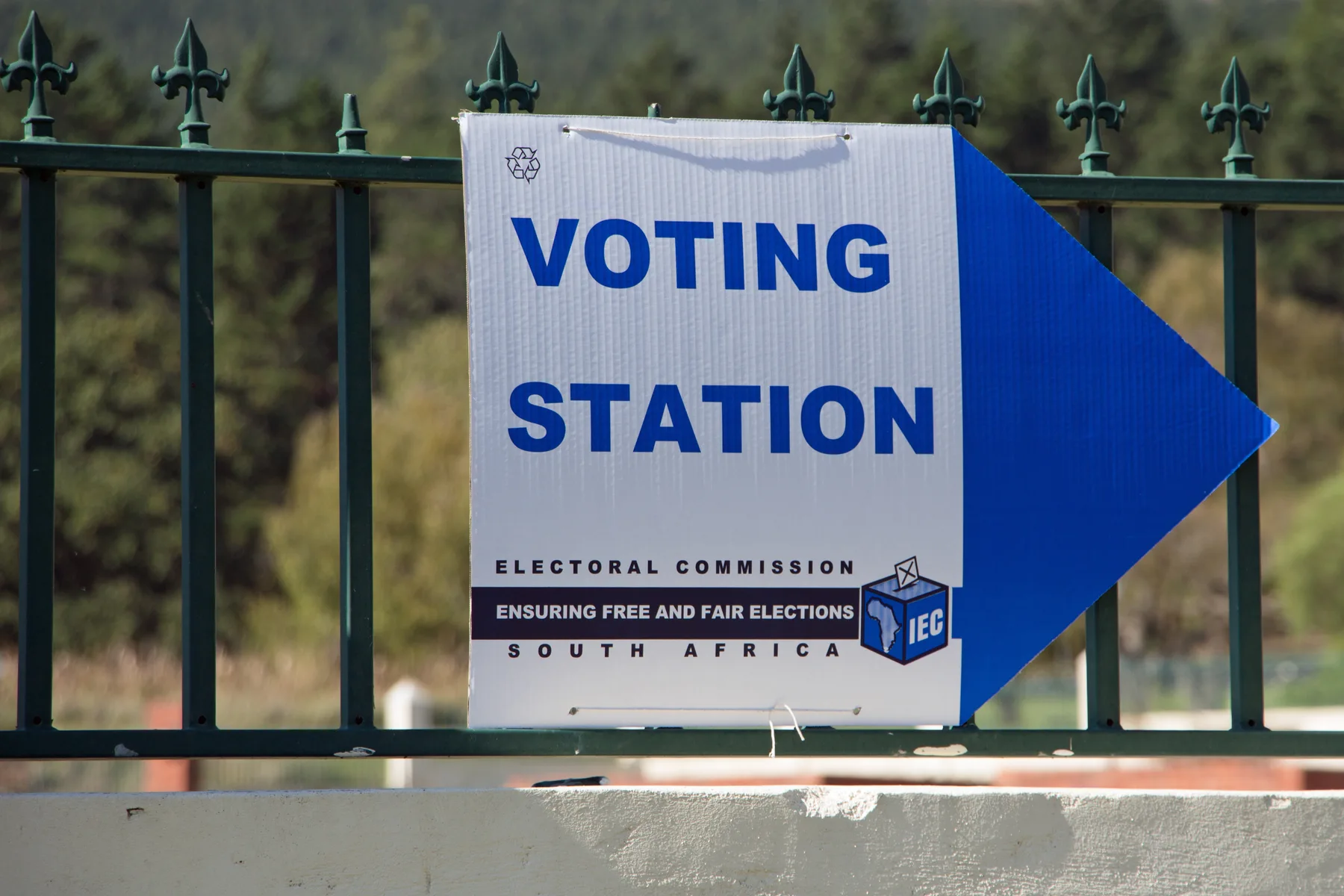
Opposition parties allege that the deletions and procedures risk excluding legitimate voters, and say the process could disproportionately affect minorities. The Commission denies favouring any party and says wrongly deleted voters can re-enrol; the BJP has rejected the opposition’s accusations. Those competing claims remain unresolved in the reporting reviewed for this article.
The stakes for election administration
Voter rolls determine who can cast a ballot, so errors in a revision can affect an individual’s access to the franchise even when officials describe the exercise as routine. Delhi’s chief electoral officer provides a voter-name search and a process for eligible people missing from a draft roll to seek inclusion, though the relevant claims window and state-level timelines vary.
The rally itself does not decide the merits of the allegations or change the rolls. Its significance is political: it puts pressure on the election authority to explain how names were removed, how objections are handled and what safeguards protect eligible voters.
Sources
3 references
- ReutersIndian authorities tighten security ahead of big opposition march in DelhiOn-site reporting on arrivals, security, planned march and rally, the parties’ competing claims, and the Election Commission’s response · 2026-11-01
- The Economic TimesSFI students march towards Ramlila Maidan in support of INDIA bloc’s ‘Chalo Delhi’ rallyIndependent same-day account of student mobilisation, rally timing and the parallel BJP march · 2026-11-01
- Chief Electoral Officer, DelhiSIR 2026 draft electoral rolls and claims processOfficial Delhi election office guidance on the draft roll, voter-name search and Form 6 inclusion claims · Accessed 2026-11-01