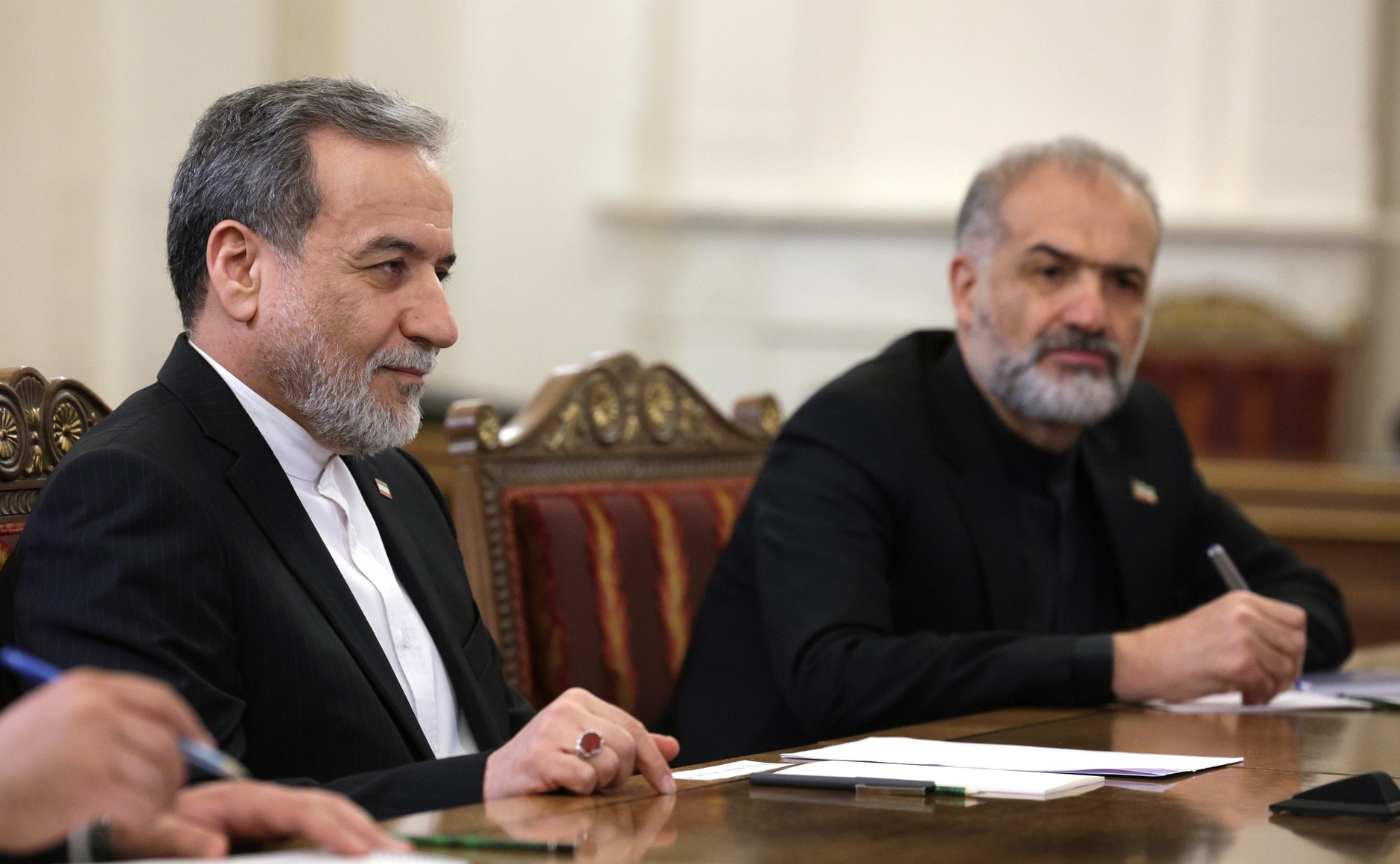
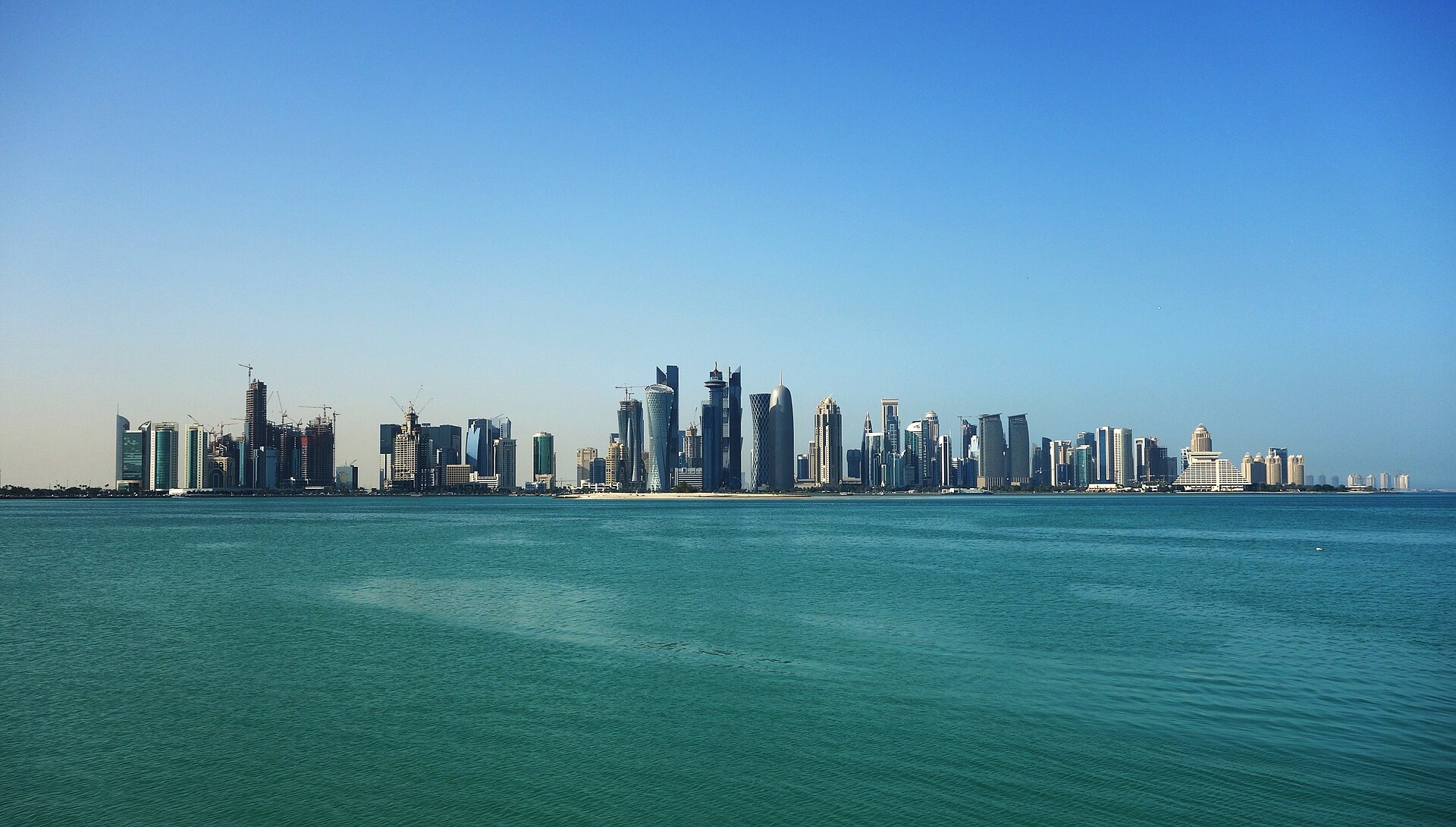
Reuters, citing an unnamed official briefed on the discussions, reported a third day of Iran-Qatar talks on Nov. 1; the report was read in full through its GMA syndication. Al Jazeera separately interviewed Foreign Minister Abbas Araghchi and reported Secretary of State Marco Rubio’s confirmation that Qatar-led contacts were continuing. Qatar’s foreign ministry had publicly confirmed its mediation role on Oct. 6. The proposal’s terms are attributed to Tehran; the United States has not confirmed them, and no final agreement was reported. Both photographs are dated archive context, not images of the Nov. 1 discussions: Araghchi in Moscow on Apr. 27, 2026, and Doha’s skyline in 2013.
A third day of indirect talks
Iranian negotiators and Qatari mediators held a third consecutive day of discussions in Doha on Sunday, Nov. 1, seeking a path to end the U.S.-Israeli war on Iran, Reuters reported, citing an official briefed on the talks. The discussions followed more than 12 hours of meetings between Iranian and Qatari envoys in Tehran on Friday and talks in Qatar on Saturday.
Iranian Foreign Minister Abbas Araghchi described the consultations as continuing and progressing, but said no final conclusion had been reached. He said talks were still under way on a proposal described by Al Jazeera as a possible reopening of the Strait of Hormuz within two days of an agreement with Washington. The proposal remains under discussion, not an agreed deal.
The terms remain far apart
In his interview with Al Jazeera, Araghchi said Tehran’s proposal was conditional on U.S. steps that include lifting recent sanctions, restoring oil waivers, reducing the American military presence in the region and ending the conflict on all fronts, including Israel’s attacks in Lebanon. He also referred to shipping routes designated by Iran and Oman. These are Iranian positions as described by its foreign minister; Washington has not publicly accepted them.
U.S. Secretary of State Marco Rubio said Qatar-led contacts were continuing but gave no timetable. President Donald Trump has said Washington will not attack Iran before the Nov. 3 U.S. midterm elections, while leaving open the possibility of later military action. The two sides are therefore pursuing diplomacy while also issuing warnings about renewed fighting.
Why the waterway matters beyond the region
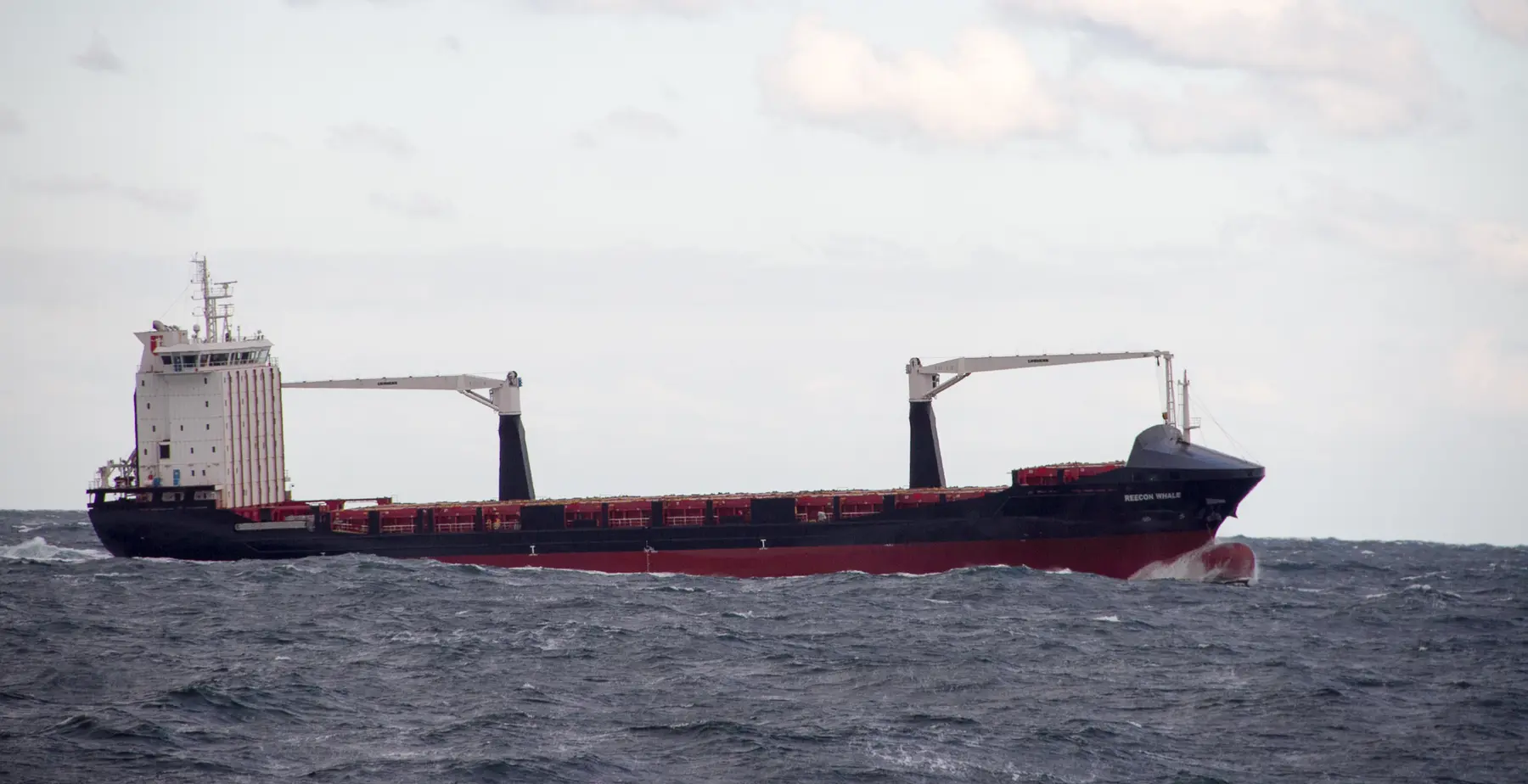
The Strait of Hormuz is a major route for global energy shipments. A reopening arrangement could affect shipping and oil flows, but the current proposal has not been accepted and the talks have produced no announced agreement. Reuters described the eight-month war as having disrupted oil supplies and spread across the Middle East.
Qatar’s foreign ministry said in October that it was mediating between Washington and Tehran and that messages were being exchanged. That confirms Doha’s role, but does not establish the details or progress of this latest round. The next public sign of movement will be whether either government confirms shared terms or schedules formal negotiations.
Sources
3 references
- Reuters via GMA NewsIran, Qatari mediators hold third day of talks to end US-Iran warReuters report, carried in full by GMA, citing an official briefed on the talks and recording statements by Iran’s foreign minister and U.S. Secretary of State Marco Rubio. · 2026-11-01
- Al JazeeraMediators continue US-Iran negotiations amid war rhetoric: What we knowIndependent reporting including an interview with Iranian Foreign Minister Abbas Araghchi on the proposed Hormuz plan and its conditions, alongside U.S. statements. · 2026-11-01
- Qatar Ministry of Foreign AffairsForeign Ministry: Mediation Efforts Between Washington and Tehran ContinuePrimary statement confirming Qatar’s role as mediator and ongoing exchange of messages; it predates the current round and does not confirm its proposed terms. · 2026-10-06