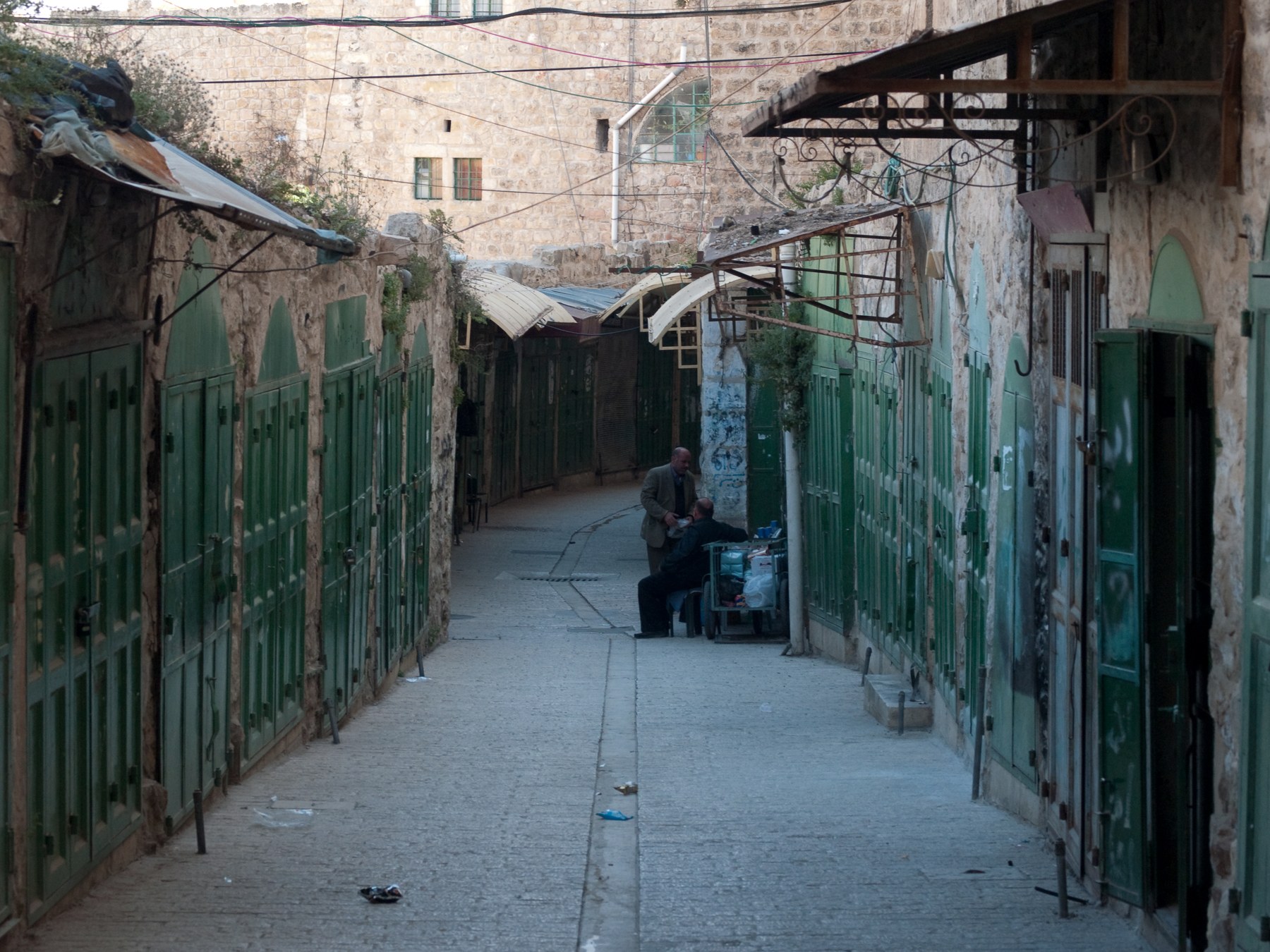
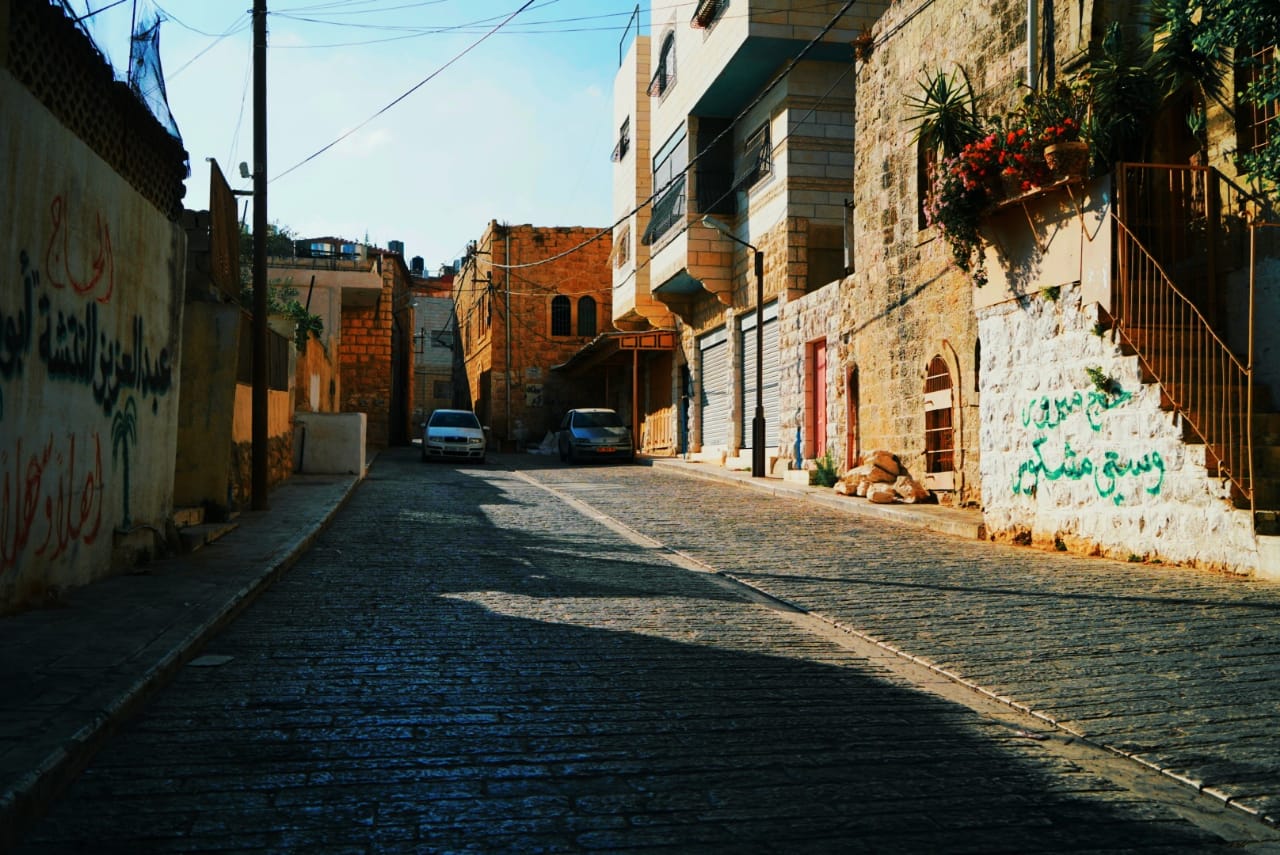
Reuters on Nov. 2 reports that an unnamed Israeli military official said troops withdrew after an operation it describes as 10 days; Palestinian news agency WAFA calls it an 11-day offensive. OCHA’s Oct. 29 situation report, based on Hebron Municipality data, said about 3,000 Palestinians had reportedly been displaced and that figures were still being verified. WAFA reports the Hebron Governorate’s higher figure of more than 3,300 people displaced or otherwise affected, a different category, and cites the municipality on demolitions and closures. The Washington Post separately quotes Hebron’s mayor saying about 3,300 people had returned on Nov. 2. These are attributed local estimates, not an independently reconciled count. The IDF’s Oct. 29 account presents Israel’s stated security rationale and its own account of searches and weapons seized. No independent total of returnees, complete damage assessment or confirmation that all movement restrictions ended was available in the sources reviewed. The photographs are dated archive context, not images of the 2026 operation: PalFest photographed closed shops in Hebron’s Old City on May 6, 2010; Morjana Jalal photographed an Old City alley on July 26, 2019.
Residents return after troops pull back
Israeli forces withdrew from several neighborhoods in Hebron on Monday, Nov. 2, and displaced residents began returning to damaged homes after an operation that followed a deadly checkpoint attack, Palestinian and international reporting said.
Reuters reported that an Israeli military official said the army had withdrawn. A bulldozer cleared rubble and earth barricades as residents returned. Hebron’s mayor told The Washington Post that about 3,300 people had gone back to their homes; that local estimate has not been independently reconciled with humanitarian figures.
WAFA said the Palestinian Civil Defense urged residents to avoid damaged buildings and suspicious objects until safety checks were completed. The agency reported that the pullback covered several neighborhoods, not necessarily every area affected by movement restrictions.
Displacement estimates are not yet settled
The UN Office for the Coordination of Humanitarian Affairs said on Oct. 29 that about 3,000 Palestinians had reportedly been displaced, citing Hebron Municipality, and that the figure remained under verification. WAFA later reported that more than 3,300 people had been displaced or otherwise affected. The broader local category and different reporting dates make the numbers difficult to compare directly.
WAFA, citing the municipality, also reported that 15 homes and facilities were demolished and 327 shops were closed during the operation. Reuters said local officials reported demolitions of homes, shops, roads and factories, but that the overall scale was unclear. No comprehensive damage assessment was available in the reports reviewed.
Operation followed an Oct. 23 attack
The operation began after two Palestinian gunmen opened fire at a checkpoint near Hebron on Oct. 23, killing two Israeli soldiers before both attackers were killed, according to the IDF and OCHA. The Israeli military says its subsequent searches targeted suspected armed networks and that troops seized weapons and equipment.
OCHA documented evacuations, movement restrictions and interruptions to schools, health services and humanitarian access while the operation was under way. The pullback is a new development, but the sources reviewed do not establish how many residents have returned, whether every restriction has been lifted or how rebuilding will proceed.
Sources
5 references
- ReutersDisplaced Palestinians return to damaged Hebron quarter as Israeli troops withdrawIndependent reporting on the withdrawal, residents returning, military account of the operation and uncertainty over demolitions. · 2026-11-02
- United Nations Office for the Coordination of Humanitarian AffairsHumanitarian Situation Report | 29 October 2026Primary humanitarian update: about 3,000 people were reportedly displaced according to Hebron Municipality, with figures still under verification; documents school, health and access effects. · 2026-10-29
- WAFA — Palestine News AgencyHebron: Occupation forces withdraw following an 11-day offensiveLocal account of withdrawal and residents beginning to return; attributes 3,300 displaced or affected and 15 demolished homes and facilities to local authorities. · 2026-11-02
- The Washington PostIsraeli military withdraws from West Bank city of Hebron after 10-day operationIndependent reporting quoting the Hebron mayor on returnees and property damage and an Israeli military official confirming withdrawal. · 2026-11-02
- Israel Defense ForcesWhy is the IDF Operating in Hebron?The military’s own account of the Oct. 23 attack, its stated purpose for the operation, searches, detentions and weapons it says were seized. · 2026-10-29